Burnham wants to move quickly to show people he can improve their lives, after Britain went through seven prime ministers in 10 years in an unprecedented bout of political instability while living standards flatlined.
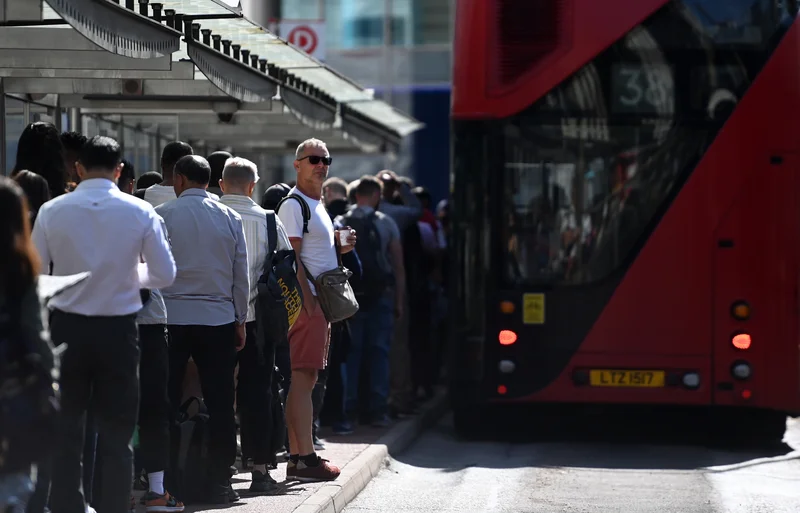
On Monday, he said his government would remove a tax from domestic electricity bills from October 1 to save around £45 a year, and the move to cap bus fares at £2 from a previous £3 will come into force in January.
EARLY SHOW OF GOVERNMENTâS INTENT
While the sums may be small, the announcements on the first two days of Burnhamâs tenure are designed to show his intent to give people what he calls more âbreathing spaceâ in life.
However, the BBC reported that Burnham had pulled back from a suggestion he would like to immediately increase the tax-free personal allowance, highlighting the financial constraints the government faces.
Burnham, a 56-year-old former Greater Manchester mayor, has said the freeze, which drags more people into paying tax as earnings increase, would be looked at in the next budget because of regular voter complaints.
But any change could cost billions and markets are closely watching how Burnham, who has vowed to stick to fiscal discipline, will fund any support.
The prime ministerâs office did not immediately respond to a request for comment.
The government said the bus price cap would cost more than £500 million, with £100 million coming from the existing transport budget and £400 million from the Energy Security and Net Zero Department, by switching grants for international climate projects to loans.
âAs I said on my first day in office, I will build a country for everyone, everywhere,â Burnham said in a statement. âThat means more connected communities, better access to opportunities, and a lighter load on peopleâs lives.â
The fare cap will apply outside London, which has a separate regulated fare system.
(Reporting by Kate Holton, editing by Andrei Khalip)