Colombia · Business
Key Facts
—Buyer. Grupo Nutresa, the Colombian food conglomerate controlled by the Gilinski family and IHC.
—Target. Industrias Tío Rico C.A., Venezuela’s leading ice-cream company with over seven decades of history.
—Price. Around US$30 million, according to a Bloomberg source familiar with the terms.
—Assets. A 210,000 m² plant in Guacara, five distribution centers, and a portfolio of eight brands.
—Market share. Tío Rico holds more than 55% of Venezuela’s ice-cream market.
Nutresa, Colombia’s largest processed-food company, announced on July 21, 2026, that it had agreed to buy 100% of Industrias Tío Rico C.A., the iconic Venezuelan ice-cream maker, for around US$30 million.
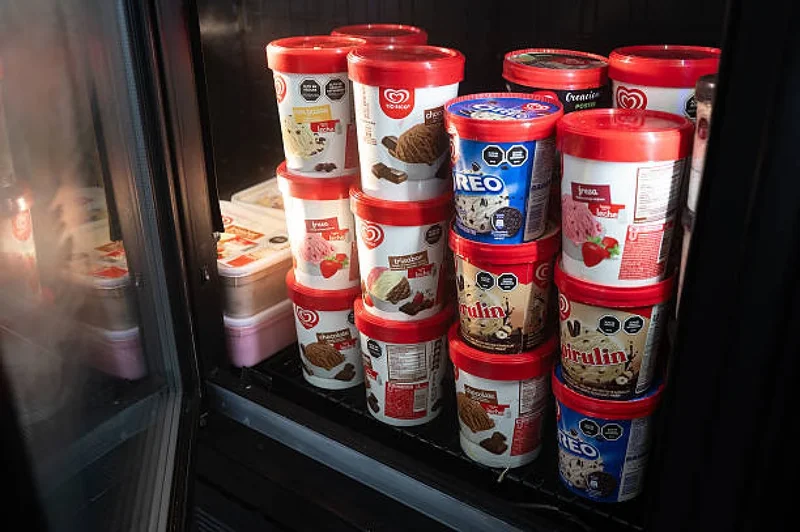
Nutresa Buys Venezuela’s Tío Rico Ice Cream for US$30M. (Photo internet reproduction)
One-stop reference
Company Intelligence
Every listed company in Latin America — financials, ownership and structure for 1,450+ companies across 26 exchanges, in one place.
RTAsk Rio TimesMarkets, currencies and the economy›
RT
Ask Rio Times
Latin American markets, currencies and companies.
×
Markets todayThe currencyRates \& inflationEconomy outlook
Two Companies, One Sweet Deal
Grupo Nutresa is a Colombian powerhouse with leading brands in cold cuts, biscuits, chocolates, coffee, pasta, and ice cream. Controlled by banker Jaime Gilinski and the Abu Dhabi-based International Holding Company (IHC), it has been pushing aggressively into international markets.
Tío Rico is a household name in Venezuela. Founded in Caracas in 1952 as Helados Club, it was later owned by Grupo Cisneros and then Unilever before landing with Mack de Venezuela C.A., the seller in this deal.
What Nutresa Gets
The transaction hands Nutresa a 210,000-square-meter industrial complex in Guacara, Carabobo state, along with five distribution centers that give it nationwide reach. The deal also includes the full brand portfolio: Tío Rico, Bati Bati, Crema Real, Chocolito, Merengada, Rico Gol, Chocomalta, and Tío Rico Trisabor.
Those brands command more than 55% of Venezuela’s ice-cream market. That kind of dominance is rare in any consumer category and gives Nutresa an immediate leadership position.
Why Venezuela, and Why Now
Nutresa had already flagged Venezuela and the United States as its two priority growth markets for 2026. The company described the acquisition as a continuation of its expansion strategy in Venezuela, where a gradual economic reopening has drawn fresh interest from regional players.
The Guacara plant is not just for Venezuelan sales. According to Colombian magazine Semana, Nutresa envisions the facility as an export platform serving Colombia, the Caribbean, and the United States.
The Gilinski Factor Behind Nutresa’s Move
Jaime Gilinski, the Colombian financier who now controls Nutresa alongside IHC, is the driving force behind the company’s Venezuelan push. Bloomberg identified him as the architect of the Tío Rico acquisition.
Under Gilinski’s leadership, Nutresa has accelerated deal-making across the region. The Tío Rico purchase fits a pattern of buying established local brands that already own deep consumer trust.
A Brand With Deep Venezuelan Roots
Tío Rico’s story began in 1952 when it was founded in Caracas under the name Helados Club. It became a cultural staple, surviving decades of economic ups and downs while remaining a fixture in corner shops and supermarkets nationwide.
The brand changed hands several times before this deal. It was acquired by the powerful Venezuelan media and business group Grupo Cisneros in 1978 and rebranded as Tío Rico, then sold to Anglo-Dutch consumer giant Unilever in 1994.
What It Means for Expats and Investors
For foreign readers watching Latin America, this deal is a concrete signal that large, sophisticated companies are willing to commit real capital to Venezuela’s consumer sector again. It suggests a calculated bet that demand for everyday treats like ice cream will keep growing as the economy stabilizes.
The acquisition also highlights a broader trend of Colombian multinationals expanding across borders. For investors, it reinforces that regional champions like Nutresa are using their balance sheets to snap up dominant local brands at prices that may look attractive compared to building from scratch.
Frequently Asked Questions
Who owned Tío Rico before Nutresa?
The seller was Mack de Venezuela C.A. Before that, the brand passed through the hands of Grupo Cisneros and Unilever over its seven-decade history.
What does the deal mean for Venezuela’s consumer market?
It signals that large regional players see enough stability and demand to invest real money in Venezuelan consumer brands, betting on a recovery. The move may encourage other multinationals to re-evaluate opportunities in the country.
Will Tío Rico products change?
Nutresa has not announced any immediate changes to recipes or branding. The company typically preserves local brand identities that already enjoy strong loyalty, so consumers can expect the same ice cream they have known for decades.