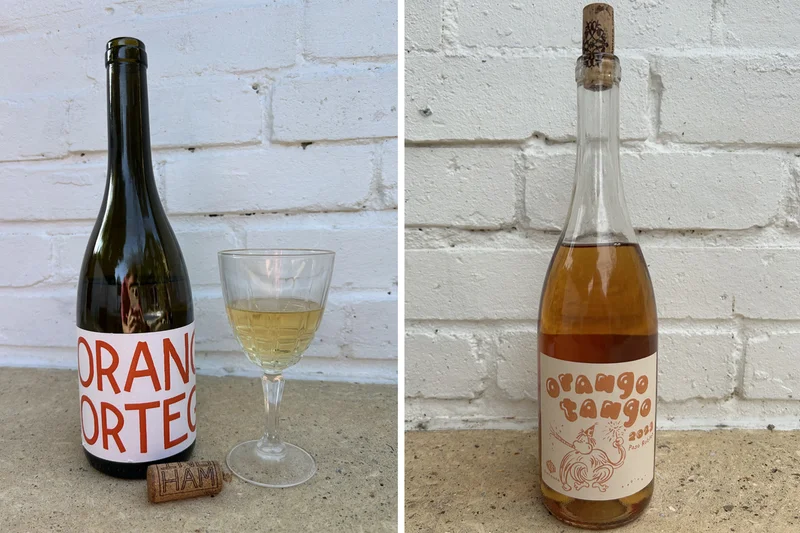
Orange wine has moved from a niche choice to a much more widely recognised wine over the past year, with more traditional winemakers even experimenting with skin-contact bottles. Often referred to as skin-contact wine, orange wine is made using white wine grapes but follows a process more commonly associated with red wine production.
Instead of separating the juice from the grape skins straight away, the grapes are left to macerate together for anywhere from several days to up to a year. This extended contact is what gives the best orange wine its distinctive golden-amber colour, deeper flavour profile and tannic structure.
Orange wine is often associated with small-batch producers and premium prices, with many bottles costing upwards of £30. While independent winemakers are leading the charge with innovative approaches to this style, there are also some impressive budget-friendly bottles out there. I’ve rounded up the best options that offer great flavour without stretching your wallet.
Here are the best orange wines I’ve tested, selected for their flavour, quality and value.
Read more: Best rosé wines, taste-tested by an expert
The best orange wines for 2026 are:
- Best overall– Tillingham ‘ortega’ orange wine: £35, Delli.market
- Best budget buy– Lyrarakis assyrtiko-vidiano orange wine Crete 2023/24: £15, Majestic.co.uk
- Best sparkling– Saddle Goose orange bacchus brut nature, 2024: £29, Saddlegoose.co.uk
- Best house wine– Top Cuvée house orange wine: £19.35, Topcuvee.com
Read more: Best supermarket wine, chosen by experts
- Bestorange wine overall
Thanks to co-founder Ben Walgate's experimental approach, Tillingham vineyard in Rye, East Sussex, has played a key role in putting more natural wines at the forefront of English winemaking, and the vineyard's orange ortega wine is part of that movement. Ortega grapes originated in Germany but are slowly becoming a more common grape variety to grow here in the UK, too.
This wine boasts delicious savouriness that is calling out to accompany snacks such as super briny olives and anchovies. The wine has a nice orangey hue to it, but it's the flavour and soft, grippy mouthfeel, with a slight minerality, that had me coming back for more.
This fully bodied wine is macerated on skins for 10 days, after which the skins are removed and the juice moved to stainless steel tanks. After five months, the juice and skins are brought back together and blended, without filtering or fining. On the nose, there are hints of marmalade, ginger and plenty of vanilla, which also comes through on the palate, along with notes of stone fruit and a little hint of spice such as star anise.
Key specifications
- ABV:10.4%
- Region:Rye, England
- Biodynamic:Yes
- Organic:Yes, but not certified
-
Vintage:Unspecified
-
Bestbudget orange wine
The only Greek wine in this lineup, this bottle is a welcome addition. The wine has a lovely deep amber hue that's almost honey-coloured, while the taste is savoury and complex, with a little dose of salinity. This makes it great for pairing with hard cheeses that have fairly big flavour profiles.
Made with a 50-50 blend of assyrtiko and vidiano grapes, from an area with Protected Geographical Indication status in Crete, the grapes are macerated for seven days. After fermentation, the grapes spend five months in concrete tanks, which encourages the flavour to develop and results in a silky, moreish wine.
Key specifications
- ABV:13%
- Region:Crete, Greece
- Biodynamic:No
- Organic:No
-
Vintage:2023/24
-
Bestsparkling orange wine
This is one of the most exciting orange wines I've tried this year. Made in Somerset with fruits from Kent, the wine looks more like a fine cider or apple juice than a wine – it's wonderfully hazy and limey yellow in colour.
It's been made with a wild fermentation (using native yeasts found on the fruit and in the vineyard), had 16 days skin contact and been fermented and aged in old French oak, with a second fermentation in the bottle (known as the Col Fondo method, which is how traditional prosecco used to be made). The wine hasn't been filtered, fined or disgorged, a process that removes the sediment of the yeast. It has a lovely, effective fizz to it, with delicious notes of peach, lemon and apple.
Key specifications
- ABV:10%
- Region:Kent, England
- Biodynamic:Unspecified
- Organic:No
-
Vintage:Unspecified
-
Bestorange wine from Cornwall
There's a lovely light orange hue to this wine from family-run vineyard Trevibban Mill, which produces small batches of quality wines on the north Cornish coast. Most of the vineyard is certified organic by the Soil Association and the team is working to improve biodiversity at the site.
Made from 50 per cent solaris and 50 per cent reichensteiner grapes that have been hand-harvested, this is a complex wine with delicate tannins. On the nose, it has aromas of orange peel and a little sweetness akin to honeysuckle. On the palate, it's all about the stone fruits and finishes with a wonderful dry savouriness that's unlike any other orange wine I've tested.
Key specifications
- ABV:11%
- Region:Cornwall, England
- Biodynamic:Unspecified
- Organic:Yes
-
Vintage:2024
-
Bestdrinkable orange wine
The endearingly named ‘don't feed the ponies’ range is one of my favourite natural wine arms at the moment, with an exciting array of fantastic wines that are as exciting as they are drinkable.
The first of its two skin-contact wines listed here is the sweetly named ‘little bee’. Each of the natural wines in the range is named after hills on Dartmoor in Devon, and 25p from the sale of every bottle in the range goes to the Dartmoor Preservation Association.
It has a pale, almost peachy hue, with a slight cloudiness to it (none of the wines in this range are filtered). Made entirely from pinot gris grapes, it's had 16 days of skin contact and boasts grapefruit aromas. Taste-wise, it’s fruity with notes of apricot, and has a little sharpness and sourness like plum.
Key specifications
- ABV:10.5%%
- Region:Devon, England
- Biodynamic:Unspecified
- Organic:Not certified
-
Vintage:2023
-
Bestentry-level orange wine
Don't let the name put you off this wine – it's very far removed from a corner shop can of Tango. Instead, it's a wonderfully intense amber colour made with a natural yeast and a blend of white Italian grapes (this vintage includes falanghina, vermentino and fiano grapes) grown in the Paso Robles region of California. After being fermented on the skins for between two to three weeks, the wine has a 'gentle' filtration before bottling.
It's a very fruit-forward wine, which is evident on the nose and the palate. It has aromas of gooseberry and mango, with a slight sweetness on the palate, too, with a hint of marzipan. It isn't big and bold (or the most exciting), but it is very easy drinking, and a great introduction into the orange wine category.
Key specifications
- ABV:12.5%
- Region:California, USA
- Biodynamic:No
- Organic:No
-
Vintage:2023
-
Bestorange wine from Kent
Another ortega wine, this bottle hails from family-run vineyard Westwell, which is also known for its experimental approach to winemaking. Though not certified, the vineyard follows organic methods and promotes biodiversity, and is best known for its pét nat and skin-contact wines.
This one has a lovely blush hue, with aromas of orange blossom and citric notes. Heavy on stone fruit on the palate, it's unfiltered, yet it's still quite a clear wine.
Key specifications
- ABV:10.5%
- Region:Kent, England
- Biodynamic:Unspecified
- Organic:No
-
Vintage:2023
-
Bestlow-skin-contact orange wine
Founded by brothers Charlie and Thom Bradley, New Theory works with South African winemakers to create skin-contact and low-intervention wines. This wine is made with pinot gris grapes grown in granite-heavy soils near False Bay, just below Cape Town.
The grapes are hand-harvested and have just four days of skin contact. The result has plenty of ripe fruity notes, such as peach and grapefruit, along with white flowers and lots of salinity and low tannins. This makes it a great accompaniment to white fish.
Key specifications
- ABV:12.5%
- Region:Stellenbosch, South Africa
- Biodynamic:No
- Organic:No
-
Vintage:2023
-
BestHouse orange wine
A decent wine for the price, this is another good entry-level option for those new to orange and skin-contact wines. It hails from Top Cuvée, a London restaurant that almost became a byword for serving natural wine and small plates, which has branched out into making its own wine.
Working with wine producers in South Africa, this wine is made from sémillon grapes sourced from Paarl on the Western Cape. In the glass, it looks much more like a heavy-bodied white wine. There are notes of stone fruits, such as peach and apricot, and a little hay-like quality to it, which finishes with a slight minerality. I love that you can buy 1.5l refill bags, too.
Key specifications
- ABV:12.5%
- Region:Paarl, South Africa
- Biodynamic:No
- Organic:Not certified
-
Vintage:2023
-
Bestchalky terroir orange wine
Even one of the UK's oldest commercial vineyards is now making orange wine. Set in West Sussex, Bolney has the same type of chalky soils as the Champagne region in France and so has been turning out quality, award-winning wines for some time.
The vol 2 orange wine has a lovely deep amber colour, while the taste is complex and deliciously savoury, with notes of melon and honeysuckle on the nose. There’s a slight nuttiness and creaminess that can withstand big flavours, from Indian dal to Thai noodle dishes.
Key specifications
- ABV:10%
- Region:West Sussex, England
- Biodynamic:No
- Organic:No
-
Vintage:2023
-
Bestclassic orange wine with a twist
As its name might suggest, Renegade produces classic wines with a big twist. If you're a fan of pinot grigio, this isn't the kind you'll be used to – the colour is closer to a pint of bitter, for one thing. The labels celebrate Londoners, and anyone can apply to have their face on a bottle.
The grapes are grown in Germany's Pfalz region, then harvested by hand and turned into wine in the London-based winery. This vino is big on flavour, with notes of cherry, a hint of creamy vanilla, along with an unexpected strawberry sweetness and light tannins.
Fermented using wild yeast and on the skins for one week, it has spent a little time ageing in new French oak (but isn't particularly oaky tasting), but has mostly been aged in stainless steel tanks, giving it a cleaner taste.
Key specifications
- ABV:12%
- Region:Pfalz, Germany
- Biodynamic:No
- Organic:Yes
-
Vintage:2022
-
Bestskin contact blend
Another wine from Sandridge Barton's excellent low-intervention range, and this one is very pale. Unlike the brand’s ‘little bee’ wine above, it's made with a blend of 60 per cent barrel-matured, skin-contact pinot gris grapes and 40 per cent madeleine angevine grapes, matured in stainless steel, hence the wine’s pale colour.
This is another great introduction to skin-contact wines, as it’s very approachable. It’s fruity but delicate, with plenty of zest on the palate from citrus fruits and a touch of gooseberry, finishing with a little salinity.
Key specifications
- ABV:12%
- Region:Devon, England
- Biodynamic:Unspecified
- Organic:Not certified
-
Vintage:2021
-
Bestorange wine from Austria
As one of the palest and most lemony-looking wines on this list, this is not an obvious skin-contact wine at first glance. Mama is the experimental wine range from Weingut Mama, a small batch range that also includes a pét nat, a rosé and a red.
Made with gruner grapes in a small vineyard outside Vienna, it has only had seven days of skin contact, which makes that pale colour. It's the most floral and herby on test, with very fresh aromas, including hints of crisp green apple as well as lemony notes on the nose and palate. I also love that it has a slight haze to it – a sign that it is unfiltered and more natural.
Key specifications
- ABV:12%
- Region:Austria
- Biodynamic:Unspecified
- Organic:Unspecified
-
Vintage:2023
-
Bestorange wine for red fruit flavours
More like a dark rosé, rather than being amber-hued (owing to the use of gris grapes), this wine is heavy on red fruit aromas on the nose – it reminded me of fruits of the forest, with juicy notes of strawberry, raspberry and darker fruits. It's been aged in a barrel and has much more tannin than other wines on this list, too.
The Artelium vineyard opened in 2019 in East Sussex and is big on sparkling wines, but also has a range of more experimental vinos, such as this bottle. It's part of the ‘artefact’ range, but this bottle is just one of two skin-contact wines in it.
Key specifications
- ABV:11.5%
- Region:East Sussex, England
- Biodynamic:No
- Organic:No
- Vintage:Unspecified