When it comes to living with friends, Australians are no strangers, with many of us living in sharehouses in our 20s and 30s. But would you ever take it beyond just renting?
A 2024 survey found that over half of Australians would consider buying a property with a friend or sibling. However, only 4 per cent of respondents in the same survey had actually done so.
Current data might reflect otherwise. Deanna Lastrina, senior property lawyer at Nest Legal says, “I’ve had far more enquiries coming in for co-ownership agreements, particularly in the last eight months”.
People are wanting “accelerated access into the market, which is particularly hard for first home buyers without parental assistance”.
“You might have lived or grown up in a particular postcode, and perhaps you don’t want to exit that postcode. But by pulling those resources together, you could still live in those ‘untouchable’ areas,” she says.
Another big factor? The power of companionship, especially in a post-COVID world. Who says someone should live alone if they don’t want to, just because they’re single?
I absolutely believe all friends buying property together should have legal documents drawn up.Deanna Lastrina, senior property lawyer at Nest Legal
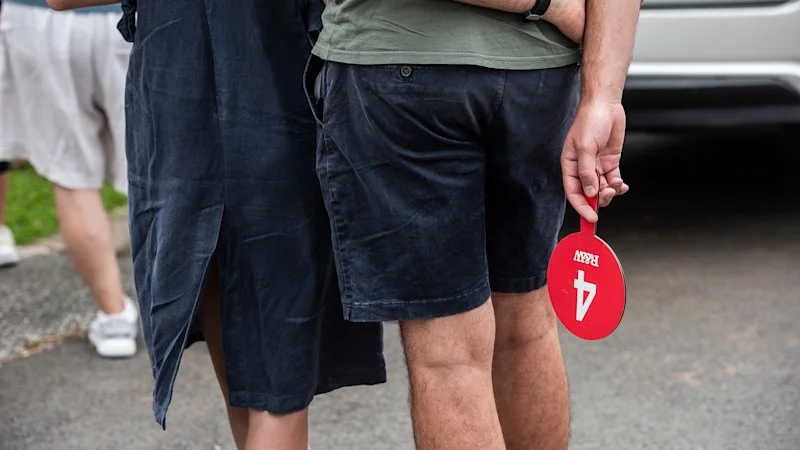
Karli and Mark are a success story. They’re friends who had been renting together for a few years. When they started looking at buying their own homes, Karli realised that if she wanted to stay in a similar area, her budget might only have got her a tiny apartment.
The friends started exploring the idea of buying a home together. Four auctions later, they bought a house in May 2024. They’ve been living in the property since.
They’re tenants in common, meaning they have distinct shares in the property and can sell or bequeath as they wish. These shares can be even or uneven.
The other structure is a joint tenancy, which involves 50/50 ownership and the “right of survivorship”, meaning if one owner dies, the other automatically inherits the entire property. For friends, Lastrina strongly recommends a tenants in common structure.
“Our agreement was a 50/50 split, even if someone else had more money as a deposit,” Karli says. Maintenance and repairs are split 50/50, too.
“We did our own research into different banks, as we wanted a loan each and individual offset accounts. Only two banks offered this kind of loan, at the time.” It’s going so well, they’re considering buying an investment property in a regional area.
Lastrina spotlights two big considerations when it comes to these arrangements.
“The first is choosing the right person to live with. It goes beyond someone you get along with. They need to be someone that you consider financially disciplined. Someone you’ll be able to resolve conflict with, swiftly.”
The second? “I absolutely believe all friends buying property together should have legal documents drawn up.” A “co-ownership agreement” can outline:
- How much each person initially contributed to the property
- How mortgage repayments and bills are paid
- How renovations, repayment defaults and disputes are treated
- What happens if one owner wants to sell
- And what happens if one owner loses decision-making capacity or dies
Buyers should also investigate whether they need estate planning and/or family law advice, and to do so at the outset, before the property purchase. One of the biggest mistakes people make is failing to consider worst-case scenarios.
Lastrina recalls one case where two friends bought a property and one sadly passed away. The deceased’s share of the property was passed on to their younger sibling, as per their will.
“The surviving owner now owns a property with a friend’s younger sibling, a person they don’t really know or trust. Because there was no co-ownership agreement in place, there was no mechanism that meant the surviving owner could easily purchase half of the property.”
These agreements aren’t solely about mitigating scenarios as serious. There can be fun clauses, too. “One of my favourite clauses is that every six weeks, the parties have a meeting – almost like an AGM.”
Karli and Mark were both single when they bought, which raises the million-dollar question: what happens if one of them enters a relationship?
“Ideally, the plan would be to rent the property out rather than add a third person into the considerations.” They’ve decided to discuss this further if the time comes and re-engage a lawyer.
Lastrina says that people can stipulate what happens if an owner finds a partner in a co-ownership agreement.
If this does happen, she recommends the couple sets up a binding financial agreement (Australia’s version of a prenup) giving them more certainty around how their respective interests would be dealt with if they separated, which can indirectly benefit co-owners by providing greater clarity in the event of relationship breakdowns.
*These names have been changed.
- Advice given in this article is general in nature and is not intended to influence readers’ decisions about investing or financial products. They should always seek their own professional advice that takes into account their personal circumstances before making any financial decisions.