University of Tehran archaeologist warns against repeat of Jiroft civilization looting
TEHRAN – A University of Tehran archaeologist has warned of a rise in illegal excavations at archaeological sites in Iran’s Jiroft plain, urging authorities to take immediate action to prevent further damage to one of the country’s most significant ancient heritage areas.
Nasir Eskandari, a faculty member at the University of Tehran, said recent reports indicated a noticeable increase in illegal digging activities at several historical sites in the region, raising concerns over the possible repetition of the extensive looting that damaged Jiroft’s archaeological heritage in the early 2000s.
“Recent reports show that illegal excavations in some historical sites of the region have increased considerably, intensifying concerns about the recurrence of irreparable losses,” Eskandari told the Iranian Students’ News Agency (ISNA) on Monday.
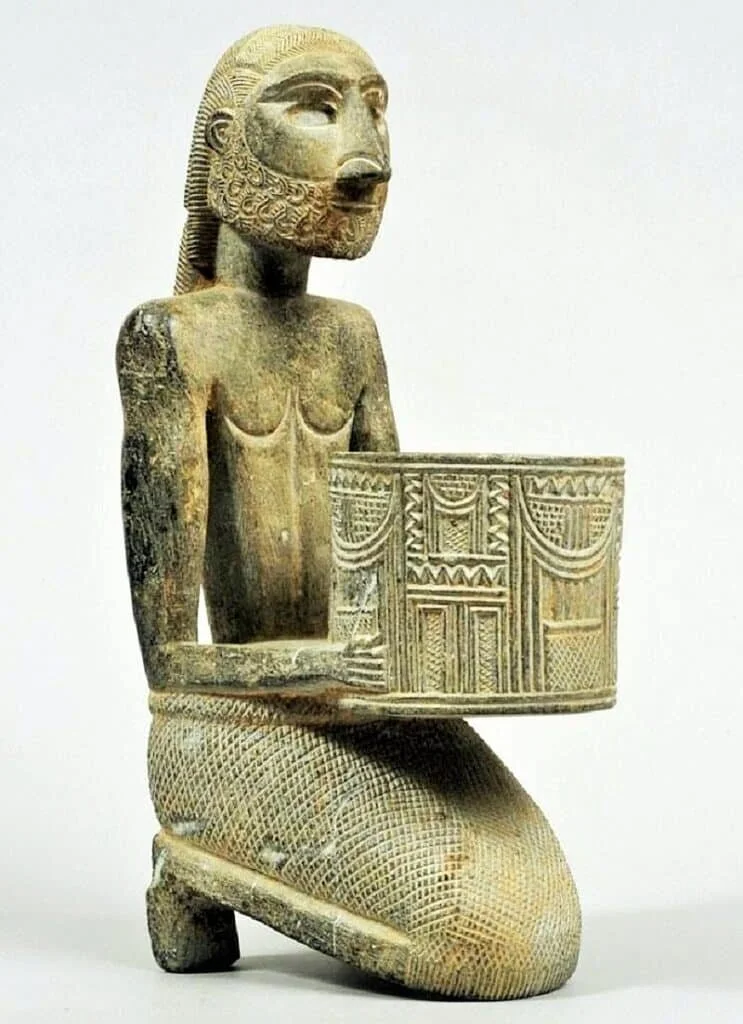
The archaeologist said the Jiroft civilization, which emerged around 5,000 years ago in the Halil Rud River basin in southeastern Iran, is among the world’s oldest known civilizations. He highlighted its distinctive chlorite stone vessels and artifacts as some of its most internationally significant remains.
“Jiroft civilization is part of Iran’s historical identity and among the most valuable elements of humanity’s heritage,” Eskandari said, adding that protecting the sites was a national responsibility.
“Any attack on historical sites and artifacts is an attack on identity, culture and national heritage,” he said.
Eskandari called on government bodies, law enforcement and judicial authorities, the Ministry of Cultural Heritage, Tourism and Handicrafts, Kerman provincial officials and other relevant institutions to adopt urgent measures to stop illegal activities.
He also stressed the need for stronger protection measures, including increased resources and monitoring patrols by the cultural heritage protection unit, and said those involved in illegal excavations should face legal action without leniency.
The warning comes amid renewed attention to the importance of Jiroft’s archaeological heritage. During a visit to the region last year, Iran’s Minister of Cultural Heritage, Tourism and Handicrafts Seyyed Reza Salehi-Amiri described Jiroft as a major center of early human civilization and called for greater efforts to introduce its historical significance internationally.
Jiroft’s archaeological importance came to global attention in the early 21st century after floods in 2001 caused the Halil Rud River to overflow and erode layers of soil, exposing thousands of previously unknown Bronze Age graves. The discovery revealed a previously undocumented ancient culture and challenged earlier assumptions that Mesopotamia was the sole cradle of early civilization.
Following the emergence of large numbers of unusual artifacts on international antiquities markets in 2001 and 2002, Iranian authorities launched investigations that led to the seizure of looted objects and the arrest of several traffickers. Investigators traced many of the artifacts to the Halil Rud Valley, south of Jiroft.
Archaeological research later confirmed the existence of a sophisticated Bronze Age culture in the region, known for its elaborate stone vessels, intricate designs and long-distance trade connections.
Eskandari urged local residents and heritage supporters to report any cases of illegal excavation, saying the protection of Jiroft’s archaeological sites required public participation.
“Jiroft civilization is a treasure belonging to all humanity, and we have a responsibility to preserve it intact for future generations,” he said.
AM