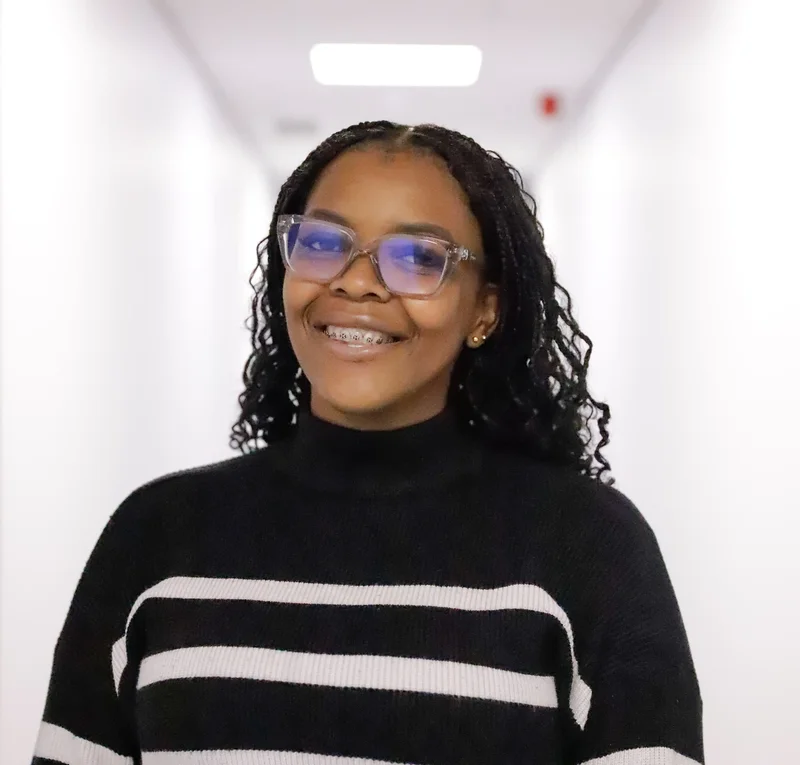
For Zikhona Ngqula, protecting the environment starts with listening to the people whose lives depend on it. By combining science, public policy and community knowledge, she is helping shape a more just and sustainable future for South Africa's freshwater ecosystems.
At 30, Ngqula is an environmental anthropologist, researcher at the Human Sciences Research Council (HSRC) and PhD candidate at Environmental Humanities South at the University of Cape Town. Her work focuses on environmental justice, water governance and public policy, with a particular emphasis on restoring the country's freshwater ecosystems. Her doctoral research examines the habitability of Cape Town's polluted Diep River catchment, particularly the Milnerton Lagoon, and explores how communities can play a leading role in protecting and restoring vulnerable environments.
Committed to ensuring her research has an impact beyond academia, Ngqula works closely with local organisations, using citizen science to strengthen environmental awareness, inform policy and empower people to protect natural resources. She credits her mother, uMaJola, whose resilience in raising a family with limited access to clean water and electricity inspired her commitment to social and environmental justice.
In 2025, Ngqula received the HSRC's Emerging Research Excellence Award, secured research funding from the Wenner-Gren Foundation and African Studies and was named a Carnegie Foundation Fellow. Driven by the belief that clean water is a basic right, Ngqula is producing research that informs policy, empowers communities and helps build a healthier, more equitable and environmentally resilient South Africa.