ACT wants to expand pharmacists power and make it easier to open new pharmacies
The ACT party wants to expand what pharmacists can do and make it easier to open new pharmacies.
If elected the party would let pharmacists treat more conditions, manage stable long-term conditions, cut red tape stopping new pharmacies from opening, and introduce 24-hour prescription collection through "secure electronic lockers."
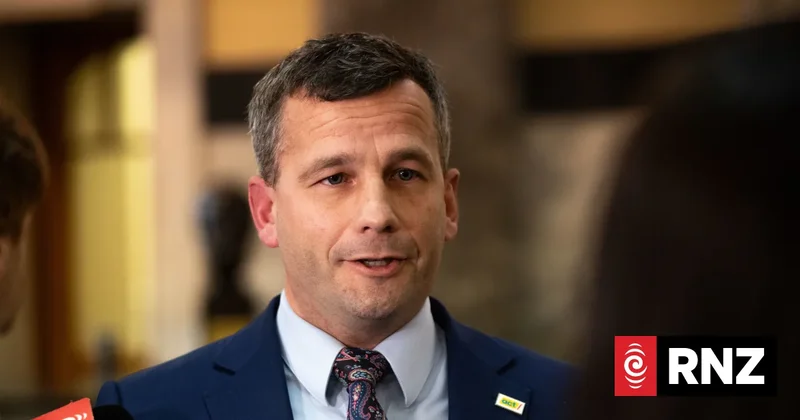
ACT leader David Seymour announced the party's Pharmacy First policy in Auckland on Thursday.
Seymour said the current rules confined pharmacists to a small number of permitted services, and he wanted to give them permission to do more.
"Meanwhile, time that pharmacists used to spend 'counting and pouring' is being freed up by automation, at the same time that community pharmacies are under serious revenue pressure.
"Pharmacists have the capacity, the need, and the proximity. All that's missing is permission."
The policy expanded on changes already implemented in government, allowing Pharmacists to treat UTIs, conjunctivitis, chest infections, and ear infections.
The party said it would expand the Minor Ailments Scheme to include conditions pharmacists are trained to assess and treat:
- Throat and ENT: acute sore throat
- Skin and eyes: school sores (impetigo), stye
- Ear, nose and throat: tonsillitis and acute sore throat
- Musculoskeletal and pain: gout, osteoarthritis
- Sexual and reproductive health: vaginal thrush; chlamydia and gonorrhoea testing (self-swab kits), period pain
- Blood tests: pharmacists will be able to order appropriate blood tests directly, at a patient's request or where they identify a clinical need
Seymour also said "rules that prevent new pharmacies from opening will go."
"The five-pharmacy ownership cap - a restriction the Government's own October 2025 Regulatory Impact Statement admits is 'not being meaningfully followed' - will be explicitly removed.
"Proximity requirements that block new pharmacies from opening near existing ones will also go. Any pharmacy that meets safety and quality standards should be able to open."
He also said secure prescription e-lockers would allow New Zealanders managing stable long-term conditions to collect "pre-dispensed medicines at any time using a digital code, similar to click-and-collect at a supermarket."
The lockers would not be used to dispense controlled drugs, refrigerated medicines, or medications requiring monitoring.
Seymour called it a practical fix for rural communities in particular.