Your support helps us to tell the story
From reproductive rights to climate change to Big Tech, The Independent is on the ground when the story is developing. Whether it's investigating the financials of Elon Musk's pro-Trump PAC or producing our latest documentary, 'The A Word', which shines a light on the American women fighting for reproductive rights, we know how important it is to parse out the facts from the messaging.
At such a critical moment in US history, we need reporters on the ground. Your donation allows us to keep sending journalists to speak to both sides of the story.
The Independent is trusted by Americans across the entire political spectrum. And unlike many other quality news outlets, we choose not to lock Americans out of our reporting and analysis with paywalls. We believe quality journalism should be available to everyone, paid for by those who can afford it.
Your support makes all the difference.
Read more
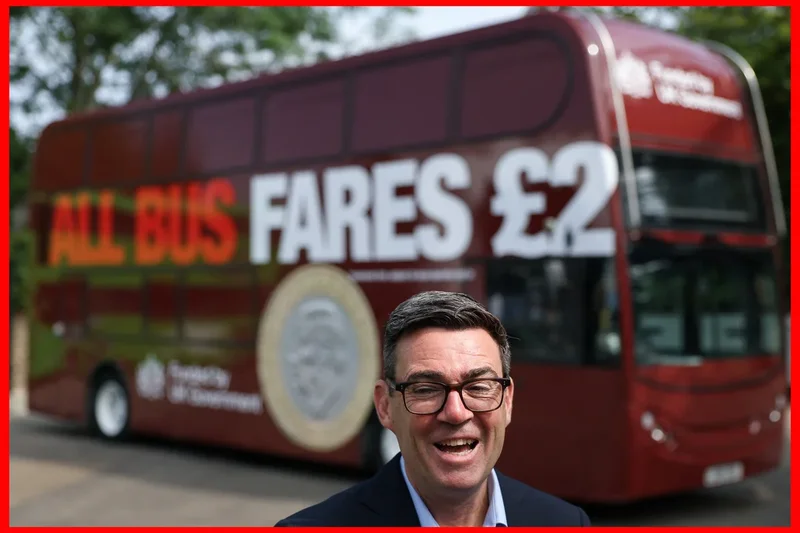
Green groups and opposition politicians have criticised the government over its decision to fund its new £500m policy capping bus fares at £2 using the climate aid budget.
The new transport policy, which was announced today, is set to reverse an cap increase to £3 that was put in place by Keir Starmer and Rachel Reeves in 2024, and is being billed as a landmark measure intended to tackle the cost of living crisis.
Around £400m of the cost is set to come from switching government investment in international climate finance from grants to loans, with the rest from savings in the budget of the Department for Energy Security and Net Zero and about £50m from Department for Transport.
Mohamed Adow, director of Nairobi-based think tank Power Shift Africa, was among those criticising the funding move, saying: "Balancing the books on the backs of the world's poorest and most vulnerable people is the wrong choice.
“Climate finance was never meant to be a pot of money that governments raid when they need to pay for domestic spending. It is part of the UK's responsibility to help countries that have contributed least to the climate crisis but are suffering its worst impacts.”
Liberal Democrat MP Monica Harding added that while it is “right to be cutting bus fares”, she believes that Burnham’s approach is “going to further undermine the UK’s standing as a reliable global partner”.
Green MP Ellie Chowns added: “Reducing bus fares is welcome, but it is morally wrong to do so by loading more debt onto some of the poorest countries that have contributed least to the climate crisis and are experiencing some of its most severe consequences.”
The new funding announcement comes after the government already slashed the amount of aid it is set to provide to climate projects as part of its broader programme of aid cuts, from £11.6bn over the past five years (average £2.3bn per year) to £6bn over the next three (average £2bn per year).
Others observed that switching funding from grants to loans risks exacerbating the debt crises that many developing countries are currently struggling with following global shocks including Covid-19 and the impact of Russia’s war in Ukraine.
Many charities have in recent months been highly critical of the UK government for not doing enough to assist indebted developing countries.
“Tackling the cost of living crisis and deepening household debt in the UK should not be paid for by piling more debt onto people in lower-income countries like Malawi and Zambia,” said Heidi Chow, executive director of pressure group Debt Justice
“This is a slap in the face to countries already facing the double catastrophe of an escalating debt crisis and the climate emergency,” she added.
Romily Greenhill, CEO of development charity network Bond, said that it is “disappointing that the new Prime Minister is picking up where the previous one left off” by continuing to “raid the diminished UK aid budget” to tackle the cost of living crisis.
In response to the concerns raised by green groups, a government spokesperson said: “We are committed to spending 0.3 per cent [of Gross National Income] on Official Development Assistance.
“Switching a small proportion of that spending from grants to loans give us more flexible ways to tackle the climate crisis while making the best use of taxpayers’ money.”
This article has been produced as part of The Independent’s Rethinking Global Aid project