AI & Machine Learning 10
-
China Blocks Meta's $2B AI Deal

China's National Development and Reform Commission has blocked Meta's $2 billion acquisition of AI startup Manus, citing national security concerns. The move forces Meta to unwind the deal despite its assurances of compliance and no ongoing Chinese ownership. This decision highlights Beijing's tough stance on AI technology amid escalating US-China rivalry and signals stricter future scrutiny on foreign investments in Chinese-linked tech firms.
-
Google's Secret AI Deal Sparks Worker Revolt

Google has inked a classified AI contract with the Pentagon allowing use of its AI models for "any lawful government purpose," a move that starkly contrasts with the ethical restrictions that led to Anthropic's blacklisting. Over 560 Google employees, including senior researchers, publicly urged CEO Sundar Pichai to reject such military AI work, citing concerns over lack of oversight on classified networks. This deal places Google alongside OpenAI and xAI as key AI suppliers to the US military, highlighting a growing rift between corporate ethics and government demands. The unfolding debate will test Google's internal cohesion and its public stance on AI ethics amid expanding military AI budgets.
-
El Salvador Bets Big on AI Healthcare

El Salvador is pushing a bold narrative that AI will revolutionize its public healthcare system. President Nayib Bukele and partners like Google and CAF have launched DoctorSV, a telemedicine app integrating AI to manage chronic diseases and improve treatment adherence. Despite claims of creating a global model for AI-driven healthcare, critics highlight ongoing systemic issues and over 7,700 healthcare worker layoffs in 2025. The coming months will test whether AI hype can translate into real-world health improvements for Salvadorans.
-
Musk vs. Altman: OpenAI Trial Kicks Off

The high-profile trial between Elon Musk and OpenAI CEO Sam Altman began Monday in Oakland, California, with jury selection completed and opening statements set for Tuesday. Musk alleges OpenAI defrauded him by shifting from a nonprofit to a for-profit, seeking billions in damages and the ousting of Altman and Brockman. The case could reshape the future of AI governance and impact OpenAI's planned IPO. Witnesses including Musk, Altman, and Microsoft CEO Satya Nadella are expected to testify as the trial unfolds over several weeks.
-
SpeakON: AI Dictation Hits iPhone

SpeakON, a magnetic AI-powered dictation accessory for iPhone, offers a fresh take on voice-to-text with its app-adaptive transcription and tone presets. Tested over several weeks, it impressed with easy setup, accurate transcription, and a handy Attune feature that tailors text style by app. However, battery life and microphone sensitivity in noisy environments remain challenges. Frequent firmware updates signal rapid improvements, making SpeakON a promising tool for users craving efficient voice input on iOS.
-
ASU's AI Tool Sparks Faculty Backlash

Arizona State University's new tool, ASU Atomic, automatically slices faculty lectures into bite-sized AI-generated learning clips, stirring unease among professors. Many faculty members feel their intellectual property is being reduced to 'AI slop,' raising concerns about academic integrity and content control. As the tool remains in beta, the university faces pressure to address these issues and refine the technology to better respect educators' rights.
-
Microsoft and OpenAI End Exclusive AI Pact

Microsoft and OpenAI have dismantled their exclusive partnership, allowing OpenAI to offer its AI models on any cloud platform, including AWS and Google Cloud. This marks a major shift from their 2019 deal that gave Microsoft sole commercial access to OpenAI's technology. While Microsoft retains a non-exclusive license and remains OpenAI's primary cloud partner, the exclusivity that once gave Azure a competitive edge is gone. The move resolves legal tensions sparked by Amazon's $50 billion investment in OpenAI and opens the AI cloud market to more competition.
-
OpenAI's AI-Powered Smartphone Revolution

OpenAI is reportedly developing a smartphone that replaces traditional apps with AI agents, partnering with Qualcomm, MediaTek, and Luxshare for chip design and manufacturing. Expected to hit mass production in 2028, this device aims to fully integrate AI by controlling both hardware and operating system, potentially disrupting the smartphone market dominated by Apple and Google. While details remain unconfirmed, the move signals OpenAI's bold push into hardware, challenging the status quo of mobile computing.
-
David Silver’s $1.1B Bet on AI’s Next Leap

David Silver, the mastermind behind AlphaGo, has launched Ineffable Intelligence, a London-based AI startup with $1.1 billion in funding at a $5.1 billion valuation. The company aims to build a 'superlearner' AI that learns solely from its own experience using reinforcement learning, without relying on human data. Backed by Sequoia, Nvidia, and others, this bold vision challenges the dominance of large language models and could redefine AI’s future. While the path to superintelligence remains uncertain, Silver’s track record and ambition have attracted massive investor confidence.
-
Google and Kaggle Relaunch AI Coding Course

Google and Kaggle are bringing back their popular AI Agents Vibe Coding Course from June 15-19, 2026, after reaching over 1.5 million learners last November. This free, five-day online program dives into vibe coding, where natural language drives AI agent development, blending theory with hands-on projects. The updated course features new speakers and a capstone project designed to help participants build production-ready AI systems. Registration is open now, offering a unique chance to master next-gen AI agent creation.
Tech & Gadgets 10
-
Logitech G512 X: Ultimate Gaming Keyboard

Logitech has unveiled the G512 X, its most advanced and customizable gaming keyboard to date. Featuring a unique hybrid design with both mechanical and analog switches, rapid trigger support, and an 8K polling rate, it promises lightning-fast response and precision. The keyboard also includes smart storage for extra switches and SAPP rings, plus an optional acrylic palm rest to enhance RGB lighting. Priced at $180-$200, it targets serious gamers seeking top-tier performance and versatility.
-
Logitech MX Console Boosts Microsoft Office

Logitech has integrated its MX Creative Console with Microsoft Office, enabling users to control Word, Excel, and PowerPoint through customizable shortcuts and Action Rings. This update expands the console's reach from creative apps to productivity tools, streamlining workflows for professionals. Available now via the Logi Marketplace, the new Productivity Plugins promise enhanced efficiency. Logitech also improved its Easy Switch feature, allowing seamless device toggling across multiple computers with a single button press.
-
Google Play Highlights Tablet-Ready Apps

Google Play Store is introducing a new badge to spotlight apps optimized for large screens like tablets and foldables, making it easier for users to find apps that truly leverage big displays. This update, part of version 51.2, also improves content rating visibility and subscription review features. While the rollout hasn't started yet, this move aligns with Google's push for better big-screen Android experiences and hints at future developments like the rumored Aluminium OS.
-
MacBook Pro M5: Power Meets Endurance

Apple's latest MacBook Pro M5 delivers serious power with its new M5, M5 Pro, and M5 Max chips, catering to professionals needing top-tier performance. The 14-inch model starts at £1,699, boasting a stunning 120Hz mini LED display and up to 18 hours of battery life for lighter tasks. With fast charging and advanced connectivity like WiFi 7 on Pro and Max models, it stands out as a mobile powerhouse. This upgrade solidifies Apple's lead in professional laptops, promising sustained performance on the go.
-
Apple Watch's Hidden Health Lifesavers

Apple's Dr. Lauren Cheung reveals lesser-known Apple Watch health features that could save lives, including the Vitals app for tracking sleep and heart metrics, noise notifications to protect hearing, and ovulation estimates using advanced temperature sensors. Fall detection and heart health alerts for atrial fibrillation add critical safety layers. These tools empower users to monitor their health proactively and seek timely medical advice.
-
Apple Launches 12-Month Monthly Subs

Apple has unveiled a new subscription model on the App Store allowing developers to offer monthly payments with a 12-month commitment. This approach blends the affordability of monthly billing with the pricing benefits of annual plans, giving users flexibility while ensuring commitment. Subscribers can cancel anytime after fulfilling their payment term, with clear tracking of payments and renewal reminders. The feature rolls out next month with iOS 26.5, excluding the US and Singapore for now.
-
Samsung’s Smart Glasses Leak Sparks Buzz

Leaked images reveal Samsung's upcoming smart glasses, codenamed Jinju, resembling Meta's Ray-Ban AI glasses and priced between $380 and $500. These glasses feature a 12MP camera, Snapdragon AR1 chip, and bone conduction speakers but lack a display, which is expected in a premium 2027 model called Haean. Samsung may tease these glasses at its July Unpacked event, with a full launch later this year, marking its entry into the competitive smart eyewear market.
-
Sony Axes Music Pro App in 2026

Sony is officially shutting down its Music Pro app, a favorite for studio-quality recordings on Xperia phones. The app will stop accepting new purchases and subscriptions by July 27, 2026, with all services ending on October 27, 2026. Users are urged to export their audio and video projects before the shutdown. This move marks the end of a specialized tool that enhanced music creation on Sony devices.
-
Valve Revives Steam Controller with Upgrades

Valve has relaunched its Steam Controller on May 4th, priced at $99 in the US and £85/€99 in Europe. The new model features dual TMR thumbsticks, a D-pad, dual trackpads, and capacitive Grip Sense sensors, enhancing precision and comfort for PC gamers. Early reviews praise its ergonomic design, long battery life, and deep Steam Input customization, though some note it lacks premium mechanical feel. This release marks Valve’s first hardware launch in 2026, while the Steam Machine and Steam Frame remain delayed due to RAM shortages.
-
Metro by T-Mobile Unleashes True Unlimited Data

Metro by T-Mobile has upgraded its top-tier plan to include truly unlimited premium data, removing previous throttling limits. This move sets a new standard for prepaid wireless services, offering customers seamless high-speed connectivity without data caps. As data demands surge, Metro’s enhancement positions it strongly against competitors. Subscribers can now enjoy unrestricted streaming, gaming, and browsing with no slowdowns.
War & Conflicts 10
-
Russia Launches Major Global Security Forum
Russia is set to host its inaugural International Security Forum in the Moscow Region from May 26-29, drawing over 180 delegations from around the world, including top security officials and experts. The event, backed by the Russian Security Council and Rosoboronexport, will showcase cutting-edge Russian security technology, including drones and cybersecurity systems. This forum marks a significant move by Russia to assert its role in global security dialogues amid rising international tensions. The event will feature high-level meetings, scientific conferences, and strategic discussions, setting the stage for future cooperation or rivalry.
-
Russia Unveils Fiery Anti-Drone Barrier
Russia has patented a cutting-edge system to disable drones by heating fiber-optic control cables to extreme temperatures, effectively severing communication links. The technology uses nichrome or fechral heating elements that can reach up to 1,300°C within a minute, creating a 'wall of fire' spanning tens of kilometers during large-scale attacks. This scalable, modular system integrates with existing detection setups and promises enhanced protection for military and industrial sites. Next steps include deployment across strategic perimeters to counter growing drone threats.
-
Crimea Base Storing Iskanders Ablaze After Attack

A Russian military base in Crimea, housing Iskander missile systems, caught fire following a nighttime strike on April 27-28. The facility, located near Mizhhiria in the Bilohirsk district, has been targeted before, with previous drone attacks reported earlier this month. Explosions were also heard at multiple airfields across Crimea, signaling a coordinated series of attacks. This incident highlights ongoing Ukrainian efforts to disrupt Russian missile capabilities in the region, with further strikes likely as the conflict continues.
-
Colombia's Violence Surges Before Vote

Colombia faces a deadly spike in violence ahead of its May 31 presidential election, with 26 attacks by rebel groups in the southwest, including a bomb blast killing at least 21 on the Pan-American Highway. The government blames dissident FARC leader Iván Mordisco's faction, which is fighting for control over drug routes and illegal mining. President Gustavo Petro's peace strategy is under fire as opposition candidates promise tougher security measures. The escalating attacks raise fears of election interference and deepen national security concerns.
-
Ukraine Strikes Russian Oil Refinery Again

Ukrainian drones launched a fresh attack on the Tuapse oil refinery in Russia's Krasnodar region, sparking a massive fire and forcing evacuations. This comes just days after a previous strike had been extinguished, highlighting Kyiv's ongoing campaign to cripple Russia's oil infrastructure. The attack disrupted operations at the Rosneft-owned facility, with over 160 firefighters battling the blaze. Meanwhile, diplomatic tensions rise as Ukraine summons the Israeli ambassador over shipments of grain from Russian-occupied territories.
-
IDF Battles Rising Hezbollah Drone Menace

The IDF is urgently addressing the escalating drone threat posed by Hezbollah, which has rapidly expanded its drone arsenal due to low costs and lack of regulation. Despite ongoing development, Israel's technological defenses remain immature, relying heavily on soldiers for early detection. The military is pursuing both defensive and offensive strategies, including cutting-edge radars and targeted strikes on drone operators. Cooperation with foreign militaries and lessons from Ukraine's drone warfare are shaping Israel's response to this evolving challenge.
-
Mali Rebels Deal Heavy Blow to Junta, Russia

Coordinated attacks by Al-Qaeda-linked militants and Tuareg separatists have severely weakened Mali's junta and Russia's Africa Corps, with key towns like Kidal falling to insurgents. The death of Mali's Defence Minister Sadio Camara in a suicide bombing marks a significant escalation in violence. Russia's Africa Corps confirmed withdrawal from Kidal amid heavy fighting, signaling a major setback for Moscow's influence. Analysts warn this could force the weakened regime into concessions or further instability.
-
ISIL Claims Deadly Nigeria Attack

At least 29 people were killed in a brutal attack on Guyaku village in Nigeria's Adamawa State, with ISIL claiming responsibility via Telegram. The assault lasted several hours, devastating property and prompting a strong response from Governor Ahmadu Umaru Fintiri, who vowed to intensify security efforts. This incident highlights ongoing instability in northeast Nigeria, where ISIL-backed groups remain active. Authorities continue to bolster military and vigilante operations to prevent further violence.
-
Hezbollah Hails Iran's Key Role in Ceasefire

Hezbollah Secretary-General Sheikh Naim Qassem has credited Iran for brokering the recent ceasefire in Lebanon, stating it would not have been possible without Tehran's involvement. He condemned direct talks with Israel and called for indirect negotiations, while reaffirming Hezbollah's commitment to resistance and reclaiming occupied land. Qassem also criticized Lebanon's government for failing to protect national rights and urged revoking laws criminalizing the resistance. The ceasefire marks a critical pause, but tensions remain high as Hezbollah insists on its right to self-defense and territorial claims.
-
Pakistan Accused of Afghan University Strike

Pakistan faces serious allegations after an attack on a university in Afghanistan reportedly linked to its forces. This incident escalates tensions in an already volatile region, raising concerns about cross-border security and diplomatic relations. The international community is watching closely as Afghanistan demands accountability and calls for de-escalation. Further investigations and responses from both governments are expected in the coming days.
Disasters & Emergencies 10
-
Deadly Train Crash Near Jakarta Kills 14

A tragic collision between a commuter and a long-distance train near Jakarta has claimed the lives of at least 14 people and injured 84 others, according to Indonesia's state railway company PT KAI. The crash occurred at Bekasi Timur Station, with the women-only carriage suffering the worst damage. President Prabowo Subianto has ordered an immediate investigation and plans to build a flyover to ease traffic congestion near the tracks. Rescue teams have completed evacuations, but authorities continue combing the wreckage for remains.
-
Fire Erupts at Dublin Pub Downtown

A fire broke out at a popular pub in Dublin city centre, prompting an immediate response from Gardaí and the fire brigade. The incident caused significant disruption in the heart of the city, highlighting ongoing safety concerns in busy nightlife areas. Authorities are investigating the cause as they work to ensure the safety of patrons and nearby businesses. Updates will follow as the situation develops.
-
Wellington Flood Cleanup: Weeklong Effort

One week after the devastating floods in Wellington, Mayor Andrew Little confirms free flood waste collection will continue through the week and possibly beyond. The sudden deluge overwhelmed the stormwater system, leaving up to 25 homes uninhabitable, particularly in Berhampore. Residents like Ian and Lena Walton face months away from their homes, but community support and council aid offer some relief. Officials are now assessing long-term stormwater upgrades to prevent future disasters.
-
Georgia Wildfire Rages Into Second Week

The battle to contain a persistent wildfire in Georgia has entered its second week, with firefighters continuing to combat the blaze amid challenging conditions. This ongoing fire threatens local communities and natural habitats, underscoring the urgency of containment efforts. Authorities remain vigilant as they deploy additional resources to prevent further spread and protect residents.
-
Neighbours Evacuated After Rolleston Blaze

A house fire on Lowes Road in Rolleston triggered the evacuation of nearby homes as a safety precaution. Fire and Emergency New Zealand (FENZ) dispatched four fire trucks to tackle the blaze, which was brought under control with no injuries reported. Authorities are now investigating the cause of the fire, while residents remain on alert for further updates.
-
Massive Fire Destroys Auckland Boat Yard

A major fire engulfed a boat building facility in Glendene, West Auckland, sending thick black smoke visible from miles away including Point Chevalier. Fourteen fire crews battled the blaze, which was declared a total loss by Fire and Emergency New Zealand. Fortunately, no one was inside when the fire started around 10am, and crews managed to contain it within 40 minutes. Investigations into the cause are ongoing, with firefighters continuing to extinguish hotspots.
-
Thailand Gears Up for Super El Niño Drought

The Thai government has launched a comprehensive plan to combat the looming Super El Niño, which threatens to bring hotter temperatures and significantly reduced rainfall this year. Agriculture Minister Suriya Juangroongruangkit outlined four key strategies focusing on water storage, rainmaking, crop adjustment, and early warning systems to protect farmers and secure water supplies. A special task force and mobile app support are being deployed to assist rural communities. With rainfall expected to drop by 18.6%, authorities are intensifying efforts to mitigate drought impacts ahead.
-
German Tourist Dies After Snake Bite in Egypt

A 57-year-old German man tragically died after a cobra bit him during a snake-charming show in Hurghada, Egypt. The snake crawled into his trousers before striking, leading to severe poisoning and his eventual death despite resuscitation efforts. German authorities are investigating the incident and awaiting toxicology results. Egyptian officials have yet to acknowledge the event. This case raises concerns about safety at tourist attractions in popular holiday spots.
-
Tragic Plane Crash Near Juba Kills 14

A plane carrying 14 people crashed about 20km southwest of Juba, South Sudan, on Monday morning. The aircraft took off from Yei at 09:15 local time but lost contact roughly 30 minutes into the flight. This devastating accident underscores ongoing aviation safety challenges in the region. Authorities are investigating the cause as the nation mourns the loss of all on board.
-
400 Arrested in Utrecht Climate Blockade

Around 400 protesters were arrested after blocking the A12 motorway near Utrecht in a climate demonstration organized by groups like Extinction Rebellion and Debt for Climate. The protest targeted the Dutch government's annual €46 billion fossil fuel subsidies, demanding funds be redirected to social causes such as housing and healthcare. Police condemned the blockade as "extremely dangerous" and detained six drivers who initiated the roadblock. All others were released without charges, but the incident highlights ongoing tensions over climate activism in the Netherlands.
Science 10
-
Keto Diet: A New Frontier in Mental Health

The keto diet, once dismissed as just a weight-loss fad, is gaining ground as a promising treatment for mental illnesses like severe depression, bipolar disorder, and anorexia. Researchers highlight its potential to transform patient outcomes by altering brain metabolism. With ongoing studies, experts are optimistic that keto could soon become a mainstream therapeutic option.
-
Physicists Unveil Ice’s Hidden Complexity

Physicists have discovered three new phases of ice, including two of the most complex ever observed, revealing ice’s astonishing molecular versatility. Using advanced experiments and powerful X-ray lasers, researchers identified ice XXI and ice XXII, with crystal structures far more intricate than previously known. These findings challenge classical theories of phase transitions and open new avenues for understanding water’s behavior under extreme conditions. Next, scientists aim to explore how these exotic ices form naturally, potentially shedding light on icy moons and planets.
-
Mystery of Golden Orb Unveiled

Scientists have finally identified the mysterious "golden orb" found over 2 miles deep in the Gulf of Alaska during a 2023 NOAA expedition. The orb turned out to be the leftover base tissue of a giant deep-sea anemone, Relicanthus daphneae, which anchors the creature to the seafloor. This discovery, confirmed through advanced DNA sequencing and microscopy, sheds light on the elusive life forms of the deep ocean. Researchers emphasize that despite this breakthrough, the deep sea remains largely unexplored with many secrets yet to uncover.
-
Breakthrough in Freezing Transplant Organs

Scientists at Texas A&M University, led by Matthew Powell-Palm, have developed a new cryopreservation method that drastically reduces cracking in frozen transplant organs by optimizing vitrification solutions with higher glass transition temperatures. This advance addresses a major barrier to preserving larger organs for transplantation, potentially extending their viability and usability. The research, supported by the National Science Foundation, opens doors to improved organ transplants and wider applications in biodiversity and vaccine storage.
-
GLP-1s Silence the 'Food Noise' Buzz

Thanks to the rise of GLP-1 drugs, obesity researchers are diving into the mysterious internal signals known as 'food noise' that drive eating behavior. These medications effectively quiet this mental chatter, offering new insights into why people overeat. Understanding this phenomenon could revolutionize obesity treatment and reshape dietary science. Experts are now racing to decode 'food noise' and its implications for long-term weight management.
-
Students Build Cosmic Radio to Hunt Dark Matter

A team of undergraduates at the University of Hamburg has built a compact 'cosmic radio' detector to search for axions, a leading dark matter candidate. Despite limited resources, their experiment set new constraints on axion properties, proving small-scale projects can contribute to big physics questions. Supported by the MADMAX collaboration and university grants, the students' work highlights innovative, accessible approaches to dark matter research. Their setup could pave the way for future student labs exploring fundamental physics.
-
Quantum Dance Unveiled in Superconductors

For the first time, scientists have directly visualized the quantum behavior driving superconductivity, capturing how paired atoms move in a coordinated 'dance' inside a cooled Fermi gas. This discovery challenges the 70-year-old BCS theory by revealing interactions between pairs previously unseen, offering fresh insight into the quantum mechanics behind zero-resistance electricity flow. The breakthrough, led by Tarik Yefsah and Shiwei Zhang, opens new pathways toward developing room-temperature superconductors, potentially revolutionizing energy and electronics.
-
Pesticides Linked to 150% Higher Cancer Risk

A groundbreaking study in Peru reveals that exposure to multiple pesticides increases cancer risk by 150%. Researchers analyzed data from over 150,000 cancer patients and mapped pesticide spread across diverse regions, uncovering heightened risks especially among Indigenous and rural farming communities. This challenges current safety assessments that focus on single chemicals and calls for updated public health policies worldwide. Scientists plan further research to understand biological impacts and improve prevention strategies.
-
South Africa's Teen Pregnancy Plunge Mystifies Experts

South Africa has seen a dramatic 16% drop in adolescent pregnancies from 2021 to 2025, with births among girls aged 10 to 14 plunging nearly 40%, according to new research by Peter Barron and his team. This reversal of a previous upward trend spans all nine provinces, but experts remain puzzled about the cause. The decline has significant implications for education and social services, yet the reasons behind it remain unclear, prompting calls for better data coordination and further study.
-
Gut Microbiome Linked to Rising Colon Cancer

A surge in colorectal cancer among younger adults has researchers like Dr. Ning Jin at Ohio State University investigating the gut microbiome's role in this alarming trend. Despite aggressive treatments, younger patients face stubborn tumors, with colorectal cancer now the leading killer under 50. Experts, including Dr. John Marshall from Georgetown, suspect environmental changes—like processed foods and chemicals—are disrupting gut bacteria, potentially fueling cancer growth. Scientists call for more targeted studies to unravel these complex microbial interactions and improve prevention strategies.
Space & Exploration 10
-
NASA's Artemis III Delayed to Late 2027

NASA has announced that the Artemis III mission, originally planned to return humans to the Moon, will now launch no earlier than late 2027. The delay stems from the complex development of human-rated lunar landers by SpaceX and Blue Origin, both requiring in-space refueling and advanced systems testing. This postponement impacts NASA's timeline for establishing a sustainable lunar presence. Officials will soon decide whether to proceed with a scaled-back mission or wait for full readiness.
-
Voyager 1’s Bold Lifespan Extension Plan

Voyager 1, the farthest human-made object in interstellar space, faces dwindling power that threatens its mission's end. Scientists have proposed an ambitious 'Big Bang' fix to extend its operational life, potentially unlocking more years of invaluable data from beyond our solar system. This plan could redefine how we sustain deep-space probes in the future. The next steps involve rigorous testing and implementation to keep Voyager 1's historic journey alive.
-
NASA Finds 7 New Organics on Mars

NASA's Curiosity rover has uncovered a rock on Mars containing seven previously unknown organic molecules, marking the most diverse collection ever found on the Red Planet. This discovery, made in a sample nicknamed 'Mary Anning 3,' supports the idea that ancient Mars had the chemistry to support life. Scientists used advanced techniques involving tetramethylammonium hydroxide to analyze the rock, confirming the presence of complex carbon-based compounds. The findings open new avenues for understanding Mars' habitability and will guide future missions exploring the planet's potential for life.
-
NASA's X-59 Unveils Freedom 250 Livery

NASA's X-59 supersonic research plane now sports the striking Freedom 250 logo, marking the US's 250th anniversary. This unique aircraft, central to the Quesst mission, aims to revolutionize supersonic flight by eliminating disruptive sonic booms. The fresh livery celebrates national pride while pushing aerospace innovation forward. Next, NASA will continue testing to prove quiet supersonic travel is possible.
-
SpaceX Hits 50 Launches in 2026

SpaceX marked a major milestone on April 26 by completing its 50th launch of the year, sending 25 Starlink satellites into orbit from California's Vandenberg Space Force Base. This launch, using a Falcon 9 rocket with booster 1088 on its 15th flight, underscores SpaceX's dominance in satellite broadband deployment. With nearly 10,300 active Starlink satellites now in orbit, the company continues to expand its constellation rapidly. Looking ahead, SpaceX aims to resume Falcon Heavy launches soon and is preparing for upcoming Starship test flights.
-
Volunteers Capture Moon’s Meteor Flashes
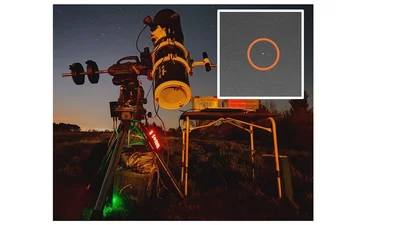
During NASA’s Artemis II mission, volunteers worldwide helped record bright flashes caused by meteoroid impacts on the Moon’s surface using their own telescopes. This citizen science effort, led by the Impact Flash project, provided crucial data alongside astronauts’ observations, improving understanding of lunar impacts and crater formation. Though Artemis II has ended, the project urges continued public participation to monitor the Moon and aid future studies of moonquakes and lunar interior structure.
-
Atlas V Rockets 29 Amazon Satellites

On April 27, a United Launch Alliance Atlas V rocket successfully launched 29 Amazon internet satellites from Cape Canaveral, marking the sixth mission for Amazon's Leo broadband constellation. This deployment advances Amazon's ambitious plan to build a network rivaling SpaceX's Starlink, aiming for over 3,200 satellites in low Earth orbit. With more than 80 launches planned, the Amazon Leo project is steadily expanding its space internet footprint. Next up is a launch by Ariane 6 from French Guiana, continuing the constellation's growth.
-
Astrobotic's Breakthrough Rocket Engine Test

Astrobotic has successfully tested its next-generation rotating detonation rocket engine, Chakram, achieving a record-breaking 300-second continuous burn. This milestone demonstrates the engine's potential for higher efficiency and thrust with less fuel, crucial for future lunar missions and cislunar space operations. The test at NASA's Marshall Space Flight Center proves the technology's durability and stability, paving the way for flight-ready hardware and expanded deep space exploration.
-
NASA Data Reveals 10,000 New Exoplanets

Astronomers analyzing NASA's TESS telescope data have uncovered over 10,000 candidate exoplanets, the largest single discovery to date. This breakthrough doubles the distance range for planet detection, revealing mostly hot Jupiters orbiting close to their stars. While many candidates await confirmation, this trove could increase known exoplanets by half, offering fresh insights into planetary formation. Researchers expect thousands more discoveries as they continue to mine TESS data.
-
AI Revolutionizes Space Telescope Imaging

Artificial intelligence has slashed the James Webb Space Telescope's data analysis time from years to days, unlocking a flood of cosmic discoveries. Now, the same AI technology, developed by UCSC researchers, is enhancing images from the Vera C. Rubin Observatory in Chile, making ground-based observations nearly as sharp as those from space. This breakthrough promises to maximize scientific returns on costly observatories and accelerate our understanding of the universe. The AI-powered Neo model is set to transform astronomy by refining image clarity and revealing details previously obscured by Earth's atmosphere.
Health & Medicine 10
-
Singapore Scientists Reprogram Gut Bacteria

Researchers at the National University of Singapore have engineered gut bacteria to block liver toxins from reaching the brain, significantly reducing ammonia levels linked to hepatic encephalopathy. This breakthrough, published in Cell, offers a promising alternative to current treatments that only partially address the disease and risk disrupting gut microbiomes. Led by Professor Matthew Chang, the team aims to move this innovation from lab to clinic, potentially revolutionizing therapies for liver-related brain disorders.
-
CDC Flags Drug-Resistant Salmonella from Backyard Birds

The CDC has issued a warning after at least 34 people across 13 states fell ill with salmonella linked to backyard poultry, some infections showing resistance to common antibiotics. This highlights the growing public health risk posed by keeping chickens, ducks, and other birds at home. With previous outbreaks sickening over 500 people nationwide in 2025, officials urge caution and proper hygiene when handling these animals. The CDC continues to monitor and investigate to prevent further spread.
-
B.C. Lags on GI Drug Approvals

The Canadian Gastrointestinal Society has criticized British Columbia for its slow approval of advanced gastrointestinal drugs, unlike other provinces. Patients with inflammatory bowel disease in B.C. must first try older, less effective medications that can cause costly side effects before accessing newer treatments. CEO Gail Attara argues this delay worsens patient outcomes despite claimed cost savings. Health Minister Josie Osborne insists B.C. prioritizes evidence and maintains a robust pharmacare program. The debate continues as patients await faster access to better therapies.
-
Ultrasound May Replace Surgery for Endometriosis

A groundbreaking ultrasound technique is currently being tested in clinical trials to treat digestive endometriosis, specifically nodules in the rectum. This innovation could spare many patients from invasive surgery, offering a less risky and more comfortable alternative. If successful, it promises a major shift in how this painful condition is managed worldwide.
-
Oral Minoxidil Triumphs in Hair Loss Trial

Veradermics announced that its oral minoxidil formulation, VDPHL01, passed a major Phase II/III trial, showing significant hair growth in men with pattern baldness. Around 79% of once-daily and 86% of twice-daily users saw improvements, far outperforming the 36% in the placebo group. The drug was well tolerated with minimal side effects, paving the way for regulatory approval. This could revolutionize hair loss treatment by offering a convenient pill alternative to topical solutions.
-
Oral Frailty Flags Fall Risks Early

At Serangoon Polyclinic in Singapore, doctors have identified oral frailty—a decline in mouth function—as a key early warning sign of physical frailty and increased fall risk among seniors. The clinic's new comprehensive frailty program, launched in late 2025, screens for dental issues like tooth loss and chewing difficulties, which can lead to poor nutrition and muscle loss. This holistic approach aims to prevent falls by addressing multiple risk factors simultaneously. NHG Polyclinics plans to expand this initiative to all its centers by April 2027, potentially transforming elderly care nationwide.
-
Blood Filtering Shows Promise for Preeclampsia

A pilot study led by Ravi Thadhani at Cedars-Sinai suggests that filtering a harmful protein from the blood could offer the first targeted treatment for preeclampsia, a dangerous pregnancy condition. Involving 16 women, the trial showed that removing sFlt-1 protein safely lowered blood pressure and extended pregnancies by about 10 days. While results are preliminary, researchers aim to start larger trials and test earlier interventions, potentially transforming care for millions.
-
GLP-1 Drugs Linked to Eating Disorder Risks

New research highlights a concerning link between GLP-1 weight loss medications and eating disorders. A study of over 60,000 users found that 1.28% developed eating disorders within two years, raising alarms about the widespread use of these drugs. Physician Amanda Banks warns that if one in eight Americans takes GLP-1s, over 420,000 could be affected. Experts call for better screening and more research to understand and mitigate these risks.
-
Ozempic and Zepbound: Beyond Weight Loss

Ozempic and Zepbound, GLP-1 drugs known for managing blood sugar and weight, are gaining attention for their powerful anti-inflammatory effects. Recent research reveals these drugs may recalibrate the immune system, reducing harmful inflammation linked to heart, liver, and kidney diseases independently of weight loss. This discovery opens new possibilities for treating inflammatory conditions like arthritis and Crohn's disease. Scientists now aim to explore these pathways further to expand GLP-1 drugs' therapeutic uses.
-
Alzheimer’s Blood Tests: Hope or Hype?

Patients increasingly want blood tests to detect Alzheimer’s risk before symptoms appear, but doctors remain cautious about their reliability and usefulness. While tests measuring amyloid and tau proteins show promise, they can yield false positives and don’t guarantee disease development. With no cure and limited treatment options, experts debate the value of early testing. The FDA has approved tests for symptomatic patients, but broader use remains controversial. The debate continues as research advances and public demand grows.
Cybersecurity & Privacy 10
-
Microsoft Fixes AI Role Privilege Flaw
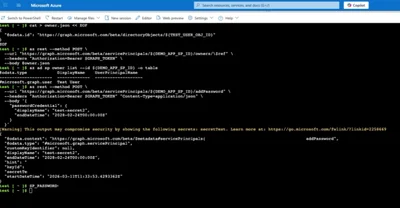
Microsoft has patched a critical privilege escalation vulnerability in its Entra ID platform, discovered by Silverfort, where the Agent ID Administrator role could be exploited to take over any service principal. This flaw allowed attackers to gain ownership and add credentials, potentially leading to full tenant control if high-privilege service principals were targeted. The fix, deployed on April 9, 2026, now blocks ownership assignment beyond AI agents, closing this dangerous access gap. Organizations are urged to monitor privileged roles and service principal changes to prevent exploitation.
-
Medtronic Confirms Massive Data Breach

Medtronic, the global medical device giant, has confirmed a cyberattack after the hacker group ShinyHunters claimed to have stolen over 9 million records containing sensitive personal information. The breach targeted corporate IT systems but reportedly did not affect products, patient safety, or operations. Medtronic is investigating the extent of the data accessed and promises notifications and support if personal data exposure is confirmed. This incident highlights ongoing cybersecurity risks in critical healthcare technology sectors.
-
Windows Shell Flaw Actively Exploited

Microsoft has confirmed active exploitation of the high-severity Windows Shell vulnerability CVE-2026-32202, which allows attackers to steal sensitive information without user interaction. This flaw, part of an incomplete patch from February, is being abused by the Russian-linked APT28 group using malicious Windows Shortcut files. The vulnerability enables attackers to trigger SMB connections and capture authentication hashes silently. Users are urged to apply the latest patches immediately to mitigate ongoing attacks.
-
Checkmarx GitHub Data Leaked After Attack

Checkmarx confirmed a data leak from its GitHub repository following a supply chain attack on March 23, 2026. The stolen data, posted on the dark web by the LAPSUS$ group, includes source code, API keys, and employee details, though no customer data is believed compromised. The breach originated from malware injected into developer tools, impacting not only Checkmarx but also related open source projects. The company has locked down the affected repository and continues investigating the full scope, promising immediate notification if customer information is involved.
-
Robinhood Flaw Sparks Phishing Scam

A flaw in Robinhood's account creation process was exploited by attackers to send phishing emails from the legitimate noreply@robinhood.com address, tricking users into believing suspicious login activity occurred on their accounts. By injecting malicious HTML into device metadata, threat actors crafted convincing fake alerts with links to phishing sites aimed at stealing credentials. Robinhood confirmed no breach of customer data occurred and has since fixed the vulnerability by removing the exploited device field from emails. Users are urged to delete such messages and avoid clicking any links.
-
Canada Cracks Down on SMS Scam Trio

Canadian police have arrested three men behind a large-scale SMS phishing scam using an 'SMS blaster' device that mimics cell towers to send fraudulent texts to thousands of phones. The scam disrupted over 13 million network connections, risking users' access to emergency services and exposing them to financial fraud. Authorities say this is the first known case of such technology in Canada and have charged the suspects with 44 offenses. Police urge vigilance against unsolicited texts and warn the public to avoid clicking suspicious links.
-
GlassWorm Malware Strikes via VS Code Extensions

A new wave of the notorious GlassWorm malware campaign has resurfaced, targeting the OpenVSX ecosystem with 73 sleeper VS Code extensions that initially appear harmless but activate malicious payloads after updates. Six of these extensions have been confirmed to deliver malware designed to steal sensitive developer credentials and cryptocurrency wallets. Researchers warn that these cloned extensions use deceptive visuals and names to trick developers, emphasizing the need for vigilance and immediate rotation of secrets for those affected. The attackers continue to evolve their tactics, making this a significant threat to software supply chain security.
-
ADT Breach Hits 5.5 Million Customers

Security giant ADT suffered a major data breach impacting 5.5 million customers after hackers from the ShinyHunters group exploited an employee's Okta SSO credentials via voice phishing. The stolen data includes names, phone numbers, addresses, and some Social Security and Tax ID numbers, but no payment info or security system controls were compromised. ADT detected the breach on April 20 and is investigating with cybersecurity experts, while the hackers have leaked an 11GB archive after failed extortion attempts. This incident highlights ongoing risks from sophisticated phishing attacks on corporate SSO systems.
-
Open Source Package Caught Stealing Credentials

A widely-used open source package called elementary-data with over 1 million monthly downloads was found to be stealing user credentials in its version 0.23.3. Developers are urgently advising users to uninstall this version and upgrade to 0.23.4 to prevent further damage. This incident highlights the growing threat of supply-chain attacks in open source ecosystems, especially as automated workflows can be exploited. Security teams are now urged to investigate potential breaches and rotate all exposed credentials immediately.
-
Deepfake Voice Scams Surge Unchecked

In 2025, deepfake voice attacks skyrocketed by 680%, with over 100,000 incidents recorded in the US alone, costing companies more than $200 million in just four months. These AI-generated voice scams mimic executives perfectly, tricking employees into authorizing fraudulent transfers, as seen in a $499,000 heist in Singapore and a $25.6 million theft from Arup. The tools are cheap, easy to use, and bypass traditional security systems, making employee training the frontline defense. Experts urge firms to implement strict verification protocols to stop these costly attacks before they happen.
Gaming & Esports 10
-
Fortnite Refunds D4vd Cosmetics Amid Murder Charges

Epic Games is issuing refunds for all Fortnite cosmetics related to singer D4vd after he was charged with the murder and sexual abuse of a 14-year-old girl. The 21-year-old artist, whose real name is David Burke, pleaded not guilty but faces serious charges including mutilation. Players who purchased his in-game items can request refunds starting April 28, marking a rare move by Epic to distance itself from a controversial figure. This development highlights the impact of real-world events on gaming communities and corporate responsibility.
-
Final Fantasy 7 Rebirth Demo Arrives

Square Enix has released a free demo of Final Fantasy 7 Rebirth for Nintendo Switch 2 and Xbox Series X, offering the first two chapters of the upcoming game. Players can experience Cloud's flashback to Nibelheim and explore Kalm before the full release on June 3. Early impressions praise the demo's impressive visuals and smooth performance on Switch 2, highlighting the game's vast world and refined character models. This demo gives fans a solid preview ahead of the highly anticipated launch.
-
Unlock The Sims 4 Businesses Cheats

The Sims 4's Businesses & Hobbies expansion introduces fresh cheats for new skills like Pottery and Tattooing, plus traits such as Idealist and Shady. Players can now manipulate small business ranks and reputations with ease, unlocking perks and hidden traits to boost gameplay. These cheats streamline skill mastery and business management, making it easier to customize your Sim's entrepreneurial journey. Stay tuned for more updates and tips to maximize your Sims' success.
-
Valve's $99 Steam Controller Arrives

Valve's new Steam Controller launches May 4 at $99, targeting PC gamers who want a versatile gamepad with unique features like dual haptic trackpads and Grip Sense. Reviews praise its ergonomic design, TMR joysticks, and deep Steam customization, though it's heavier and pricier than typical controllers like Xbox Wireless ($65) or DualSense ($74). While it only works with Steam and requires some setup savvy, it offers a compelling option for Steam Deck fans and PC couch gaming. Valve plans Steam Input tutorials to ease the learning curve, with broader hardware like Steam Machine and Steam Frame still pending release.
-
Valve Pushes Steam Deck 2 Forward

Valve confirms that the Steam Deck 2 is still under active development, with no release date yet. Pierre-Loup Griffais, a key developer, emphasizes the company’s commitment to improving performance without sacrificing battery life. Fans should expect the next handheld PC to build on lessons learned from previous hardware. The wait continues, but Valve is clearly aiming for a significant upgrade before launch.
-
Helldivers 2 Devs Pledge Fixes After Backlash

Arrowhead has acknowledged the 'fair' yet 'painful' criticism from the Helldivers 2 community following a Reddit AMA. The developers promised to improve communication and take concrete actions to address player concerns. This move signals a commitment to listen and adapt as the game evolves.
-
Magic Arena Devs Push for Union Power

Developers of Magic: The Gathering Arena have officially unionized with the Communications Workers of America (CWA), seeking protections against layoffs, remote work mandates, and generative AI pressures. Sparked by multiple rounds of layoffs and confusing return-to-office policies at parent company Hasbro, the union represents over 100 employees demanding better job security and creative freedom. They have filed for a National Labor Relations Board election but hope Hasbro will voluntarily recognize the union by May 1. This move marks a significant labor milestone within Wizards of the Coast and could reshape workplace standards in gaming.
-
Diablo 4 Launches with Korn's New Track

Diablo 4: Lord of Hatred has just dropped alongside a fresh song from Korn, marking the band's first new music in four years. The nu metal legends crafted "Reward the Scars," inspired by the game's grind and loot system, blending perfectly with Diablo's dark vibe. Frontman Jonathan Davis, a longtime Diablo fan, says gaming helps him channel aggression positively. Fans can expect more from this collaboration as the game expands with new classes and content.
-
Arc Raiders Unleashes Massive New Foe

Embark Studios drops the Riven Tides update for Arc Raiders on April 28, introducing a sprawling new map set in the Rust Belt and a formidable new enemy, the Arc Turbine. This flying, cone-shaped behemoth promises intense battles with its strong defenses, shaking up the extraction shooter experience. Alongside fresh cosmetics, a new raider project, and a limited-time event, this update is the biggest since the game's launch, reigniting player excitement. Fans can dive back in on PlayStation 5, Xbox Series X, and PC starting Tuesday.
-
Pokémon Champions Devs Defend Graphics

The developers of Pokémon Champions have responded to fan criticism regarding the game's limited roster, bugs, and underwhelming graphics. Game director Masaaki Hoshino acknowledged the feedback but emphasized that the team tried their best within technical constraints, especially compared to their previous work on Pokkén Tournament. Despite the rough launch, The Pokémon Company plans to continue supporting Champions with updates, aiming to improve gameplay and visuals over time.
Dev & Open Source 10
-
OpenChoreo 1.0 Powers AI on Kubernetes

OpenChoreo 1.0 has officially launched and joined the CNCF Sandbox, marking a major step for Kubernetes developer platforms. This open-source platform integrates AI agents, GitOps workflows, and a programmable control plane, simplifying Kubernetes operations for engineering teams. With features like built-in SRE agents using LLMs and seamless Backstage integration, OpenChoreo aims to reduce complexity without hiding Kubernetes. The project’s rapid growth and modular design set it apart as it looks to shape the future of cloud-native developer platforms.
-
Boost SaaS Speed: Lazy Load & Split Code

Lazy loading and code splitting are revolutionizing SaaS app performance by deferring offscreen resources and breaking code into manageable chunks. This approach slashes initial load times, crucial as users abandon slow sites and Google ranks speed higher. Image optimization with modern formats like WebP and AVIF further trims payloads, enhancing user experience. Developers now leverage these techniques to deliver faster, smoother SaaS applications that keep users engaged and improve SEO rankings.
-
nat-zero Cuts AWS NAT Costs Dramatically

nat-zero, a new open-source Terraform module, revolutionizes AWS NAT usage by launching NAT instances only when needed and shutting them down when idle. This approach slashes idle costs from about $36 to under $1 per availability zone, a game-changer for sporadic workloads across multiple regions. Developed by Machine.dev to tackle their own GPU workload challenges, nat-zero promises significant savings and simpler infrastructure management. The project is now publicly available for anyone to deploy and improve.
-
npmx Alpha Launches as Faster npm Browser

npmx, an open-source browser for the npm registry, has entered alpha, promising a faster, feature-rich alternative to the official npmjs.com interface. Led by Daniel Roe and backed by over 250 contributors, it offers unique tools like install size metrics, module format badges, and keyboard navigation. The community has praised its speed, though some critique its design. Next steps include community-driven improvements and broader adoption via browser extensions and VS Code integration.
-
AgentSwift: Open-Source iOS App Builder

AgentSwift emerges as a powerful open-source agent designed to streamline iOS app development. By automating key tasks, it promises to accelerate the building process for developers, reducing manual coding effort. This tool could reshape how iOS apps are created, making development more accessible and efficient. The community-driven nature of AgentSwift suggests ongoing enhancements and broad adoption ahead.
-
GitHub Copilot Shifts to Usage-Based Billing

GitHub Copilot is transitioning from a fixed premium request model to usage-based billing starting June 1, 2026. This change introduces GitHub AI Credits, aligning costs with actual token consumption to better handle rising compute demands from advanced AI coding sessions. Subscription prices remain unchanged, but users will gain more control over spending with new budget tools and pooled credits for businesses. This move aims to sustain service reliability amid growing AI usage and cost pressures.
-
Xiaomi’s MiMo-V2.5 Leads Agentic AI Race

Xiaomi has unveiled its open source MiMo-V2.5 and MiMo-V2.5-Pro models, setting a new benchmark in agentic 'claw' tasks with remarkable efficiency and affordability. These models, available under the MIT License on Hugging Face, excel at autonomous task completion like content creation and scheduling, outperforming competitors by using 40–60% fewer tokens. The Pro version boasts a 63.8% success rate and supports ultra-long context windows up to 1 million tokens, making it ideal for complex, long-horizon AI applications. Xiaomi’s competitive pricing and free cache writing aim to accelerate adoption, challenging closed-source giants like Google and OpenAI.
-
HTML Crafted Solely via C Preprocessor

A novel project has emerged that generates complete HTML pages using only the C preprocessor, bypassing traditional HTML authoring methods. This approach showcases the versatility of the C preprocessor beyond its typical role in compiling, opening new creative avenues for developers. The innovation could inspire fresh tooling in web development, especially for low-level or embedded environments. Observers are keen to see how this technique evolves and whether it gains traction among programmers.
-
Uber Automates Massive JUnit Upgrade

Uber has successfully migrated over 75,000 test classes and more than 1.25 million lines of code from JUnit 4 to JUnit 5 using automated code transformation tools. This move modernizes their testing framework, addressing technical debt and enabling access to advanced features like modular architecture and improved parameterized testing. The migration leveraged OpenRewrite for deterministic code changes and an internal orchestrator, Shepherd, to handle scale and ensure correctness. Next, Uber plans to extend these automation techniques to other large-scale codebase upgrades.
-
MinIO Ends Open Source Era

MinIO, a popular self-hosted S3-compatible object storage solution, has officially archived its open source repository as of April 25, 2026, signaling the end of its open source journey. This move follows a year-long shift away from community features and support, pushing users toward their proprietary AIStor product. For those committed to open source, alternatives like SeaweedFS, Garage, and RustFS offer viable paths forward. The community now faces a choice: adapt to new tools or embrace MinIO's commercial pivot.