Latin America · Business
Key Facts
—Meliá’s Cuba footprint. The group managed 34 hotels with 14,053 rooms across the island.
—Exit date. All management services end on 24 July 2026.
—Reason given. US sanctions made minimal operational stability impossible.
—Trigger event. President Trump’s Executive Order 14404 designated military conglomerate GAESA on 1 May 2026.
—Tourism collapse. Cuba’s hotel occupancy fell to 18.9 percent, with Meliá’s own properties at 34.1 percent in early 2026.
Meliá Hotels International, the Spanish hospitality group that has operated on the island for more than three decades, will complete a full exit from Cuba on 24 July 2026, ending management services at all 34 of its properties there.
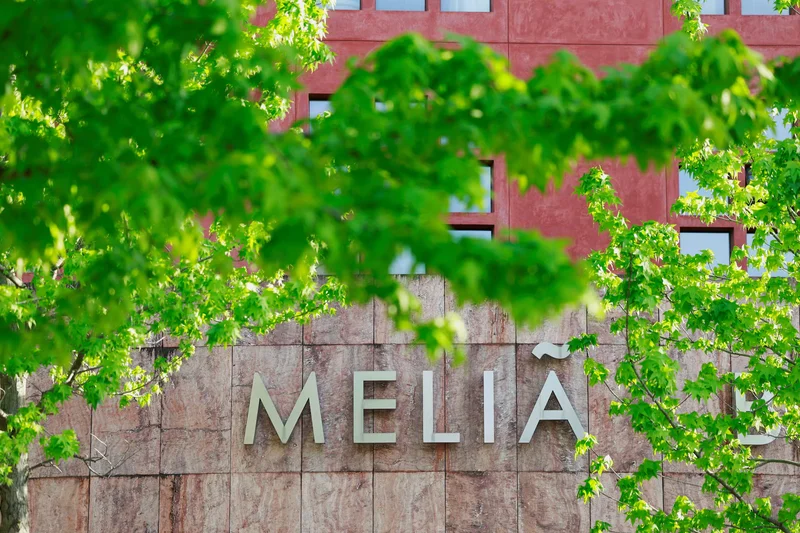
Meliá Exits Cuba as US Sanctions Bite Tourism. (Photo internet reproduction)
RTAsk Rio TimesCost of living, safety, visas across Latin America›
Why a Spanish Giant Is Leaving
The company informed Spain’s stock market regulator, the CNMV, on 21 July that its Cuban subsidiary would terminate all hotel operations, including the use of its brands, tourist reception activities, and local supply chains.
Meliá blamed notable operational, legal, economic and financial difficulties caused directly by United States sanctions and the Trump administration’s tightening of pressure on Havana.
For foreign readers unfamiliar with the brand, Meliá is one of Spain’s largest hotel operators and a global player in resort hospitality, making its departure a symbolic and practical earthquake for the Caribbean nation.
The decision marks the end of a commercial relationship that began in the 1990s, when Cuba first opened its doors to foreign hotel management as the Soviet Union collapsed and the island desperately needed hard currency.
The Helms-Burton Act and a New Executive Order
The legal architecture behind much of this pressure is the Helms-Burton Act, a 1996 US law that penalises foreign companies doing business with property confiscated by the Cuban government after the 1959 revolution.
Title III of the law allows US nationals to sue foreign firms that traffic in confiscated property, while Title IV lets Washington bar executives and shareholders of those companies from entering the United States.
On 1 May 2026, President Donald Trump signed Executive Order 14404, which designated GAESA — the Cuban military’s business conglomerate that controls large swaths of the tourism sector — as a sanctioned entity.
The order gave foreign companies until 5 June 2026 to sever ties with GAESA. Meliá had already moved to stop operating 15 hotels directly linked to the military group after that deadline passed.
GAESA, officially the Business Administration Group of the Revolutionary Armed Forces, is not just a minor partner but the dominant force in Cuba’s tourism infrastructure, controlling airports, retail, and a large share of hotel real estate.
For investors and expats, the activation of Helms-Burton has long been a dormant risk that is now fully awake, creating legal exposure for anyone profiting from assets originally seized from US citizens or Cuban exiles.
Live Company IntelligenceMercadoLibre Inc. — the full investor dossierInside: live share price, market cap, three-year financials, valuation, ESG and peer benchmarks — plus the latest Rio Times coverage.
M
◆ Live Company Intelligence
MercadoLibre
NASDAQ: MELIMERCADOLIBREConsumer CyclicalInternet Retail123,670 employees
$92.40B
Market cap
Analyst target $2,214.88
Wall Street view
4.4Buy/ 5
21 Buy3 Hold1 Sell
Avg. price target $2,214.88 · +16% vs 200-day
Valuation \& profitability
Market cap$92.40B
Revenue (TTM)$31.80B
P / E ratio48.3
Profit margin6.0%
Return on equity31.3%
Price \& risk
52-wk low
$1,495.0052-wk high
$2,548.50
Beta (volatility)1.35
200-day average$1,906.55
Revenue trend · 6y
20202025
Latest $28.89B
Ownership
Institutions84.1%
Shares outstanding51M
Top holderBaillie Gifford \& Co Limited.
Institutional holders5+ funds
Dividend
No regular dividend — earnings reinvested for growth.
What MercadoLibre does. MercadoLibre, Inc. operates online commerce platforms in Brazil, Mexico, Argentina, and internationally. The company operates Mercado Libre Marketplace, an online commerce platform that can be accessed through mobile app or website; and Mercado Pago, a financial technology solution platform, which offers comprehensive set of financial technology services to users and other users…
What Meliá’s Exit Means for Cuban Tourism
The departure is a severe blow to an industry already reeling from fuel shortages, cancelled flights, weak demand and rock-bottom occupancy rates.
Cuba’s overall hotel occupancy has slumped to 18.9 percent, while Meliá’s own operations had fallen to 50 percent of capacity in the first quarter of 2026, with average occupancy of just 34.1 percent.
The group’s 14,053 rooms represent a significant share of the island’s quality accommodation stock, and their sudden handover leaves a gap that state-run entities will struggle to fill.
Tourism jobs have been disappearing and visitor numbers are down sharply year on year, compounding an economic crisis that has already pushed many Cubans into severe hardship.
For tourists and business travellers who once relied on familiar international brands for consistent service, the options are now shrinking fast, pushing the island further toward a basic, state-run hospitality model with limited online booking and patchy standards.
The loss of an experienced international operator also means the disappearance of global reservation systems, loyalty programmes, and the supply chains that kept imported food and amenities flowing to guests.
A Timeline of the Break
The rupture unfolded quickly. On 1 May, the White House designated GAESA.
On 3 June, Meliá signalled it would comply with the sanctions regime. The 5 June deadline forced the group to abandon 15 GAESA-linked hotels immediately.
By 21 July, the board concluded that even the remaining properties could not achieve minimal operational stability under the sanctions framework. The full shutdown takes effect on 24 July.
Meliá said an orderly transition is being arranged, but the loss of an experienced international operator with deep supply-chain knowledge will be felt across the island’s tourism infrastructure.
The speed of the collapse surprised many analysts, who had expected a slower unwinding or a partial retreat rather than a complete severance of all 34 properties in less than three months.
What Happens Next for Expats and Investors
For foreign investors with exposure to Cuban tourism or real estate, Meliá’s exit is a red flag signalling that even large, established players cannot navigate the current sanctions environment.
Expats living on the island may see further deterioration in services, fewer international-branded amenities, and a shrinking pool of quality accommodation for visiting family or business associates.
The Cuban government will likely attempt to rebrand and operate the hotels under state management, but without international marketing networks or quality-control systems, occupancy and revenue are expected to fall further.
Anyone considering travel to Cuba should monitor flight availability closely, as reduced tourism demand often leads airlines to cut routes, making an already tricky destination even harder to reach.
The Broader Sanctions Landscape
The US embargo against Cuba dates back to the early 1960s, but its enforcement has swung dramatically between administrations, with Trump’s return to the White House marking a sharp tightening after a period of relative detente.
Executive Order 14404 is part of a wider strategy to choke off revenue streams to the Cuban military, which controls not just hotels but also remittance flows, import-export businesses, and key infrastructure.
Other foreign companies still operating in Cuba are now reassessing their exposure, aware that Washington has shown it is willing to enforce secondary sanctions that can lock businesses out of the much larger US market.
For readers unfamiliar with the term, secondary sanctions target non-US companies by threatening to cut off their access to the American financial system if they do business with sanctioned entities, a powerful tool given the dollar’s global dominance.
Frequently Asked Questions
What is the Helms-Burton Act?
It is a 1996 US law that strengthens the embargo against Cuba by allowing lawsuits over confiscated property and restricting visas for foreign executives whose companies use that property. The law had been partially suspended by previous presidents, but its full enforcement now creates serious legal risks for foreign investors in Cuba.
Why is Meliá leaving Cuba now?
Meliá says US sanctions, especially Executive Order 14404 targeting the military conglomerate GAESA, made it impossible to maintain even minimal operational stability on the island. The order gave foreign firms a 5 June 2026 deadline to cut ties with GAESA, and Meliá concluded that even its non-GAESA hotels could not function viably under the broader sanctions framework.
How many hotels did Meliá operate in Cuba?
The Spanish group managed 34 hotels with 14,053 rooms, whose management, brand use and supply operations all end on 24 July 2026. The portfolio included some of the island’s best-known beach resorts and city hotels, which now revert to state management.