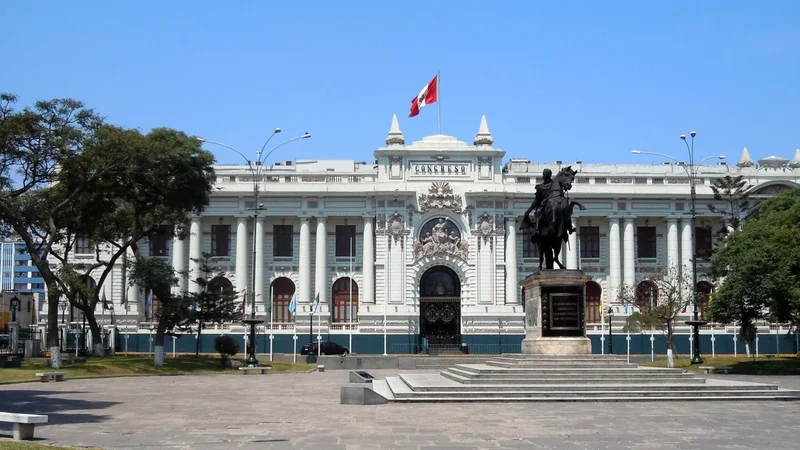
Peru Finance Minister Calls Teacher Pension Law Illegal
Peru · Public Finance
Key Facts
- MinisterElmer Cuba leads the Ministry of Economy and Finance. Reports from August 2026 confirm this.
- Pension lawLey No. 32581, called the ‘Ley de pensión digna’, sets retired teachers’ pensions at S/3,500.70, which is about US$1,041.
- CostThe Consejo Fiscal, which is the independent fiscal watchdog, says the cost is at least S/8,000 million a year, or about US$2,378 million.
- Legal basisCuba argues Congress does not have the ‘iniciativa de gasto’, which means spending initiative. That power belongs to the Executive.
- ActionsThe government is taking the law to the Tribunal Constitucional. The Colegio de Economistas is doing the same, but separately.
- Congress raiseWorkers at Congress got a 15% pay rise through a collective agreement. Former president Fernando Rospigliosi signed it.
Elmer Cuba says Congress overstepped its powers with a S/3,500.70 (about US$1,040) pension law and plans a court challenge.
Peru’s Economy and Finance Minister Elmer Cuba has called a teacher pension law illegal. He says Congress violated the Constitution by creating spending. The government is taking the law to the Tribunal Constitucional, Peru’s constitutional court, and the Colegio de Economistas is doing the same separately. Meanwhile, Congress faces scrutiny over a 15% pay rise for its workers.
Minister calls pension law illegal
Peru’s finance minister, Elmer Cuba, says the teacher pension law is illegal. He says it puts macroeconomic stability at risk.
The law, Ley No. 32581, sets pensions for retired and former teachers. It ties the pension to the first magisterial scale, currently S/3,500.70 (about US$1,041).
Cuba argues Congress overstepped its constitutional role. He said: ‘Here the Constitution has been violated.
What is illegal is that congresses have a spending initiative.’
He also said the law puts the country’s macroeconomic stability at risk. The minister warned that no government can comply with what Congress approved without proper funding.
The law was promulgated in April 2026 but still has no implementing regulations. The reglamento deadline was 90 days from the law taking effect and expired around 16 July 2026.
The Senate has formally demanded that the finance ministry issue the regulations. But the ministry is focused on challenging the law instead.
Cuba says the government will take the law to the Tribunal Constitucional, Peru’s constitutional court. The Colegio de Economistas is doing the same separately.
The cost is high: the Consejo Fiscal, the independent fiscal watchdog, puts it at at least S/8,000 million a year. That is about US$2,378 million.
The Executive will also try to negotiate a smaller pension increase with teachers’ groups. This is a parallel path to the court challenge.
Cuba says the MEF is open to a pension hike, but not the one set by the law. The government wants to find a fiscally responsible figure.
The law remains on the books but without regulations, so it is not being applied. This creates a vacuum that the court will eventually fill.
Until then, teachers wait, and the government prepares its legal defense. The Tribunal Constitucional’s decision will be final.
If the law is struck down, the government avoids a major fiscal burden. If it stands, Peru must find the funds or cut elsewhere.
Cuba’s stance is clear: the practice is unconstitutional. His comments have set the stage for a legal battle over the pension’s fate.
Government plans to block the law
Congress workers get 15% pay rise
A separate collective agreement raised salaries for all Congress staff by 15%. It was signed under Fernando Rospigliosi’s Mesa Directiva.
The agreement was signed on 24 November 2025. The raise started on 1 January 2026 and lasts until December 2027.
It covers workers under the Sitracon union. Fernando Rospigliosi, then Congress president, signed the deal.
TV program ‘Punto Final’ revealed the increase on 16 August 2026. Reports say he tried to keep it secret.
The raise covers ‘all workers of the Parliament’ per media. Its exact scope is limited to the bargaining unit.
Union leaders who signed include Tulio Vizcarra Basto, Jorge Pacheco Munayco, Percy Ayala Ávila, Jaime Montoya Luna, Julio Barrera Egoavil, and Carlos Negrete Venegas. The pay rise stayed quiet until the TV report.
This raises questions about fiscal discipline. Lawmakers approve spending for themselves and staff, but challenge teacher pension increases.
For those in or invested in Latin America, this is a fiscal discipline story. Peru’s government fights a law that would add public spending.
A court challenge could set a precedent for similar pension demands elsewhere. The Congress pay rise shows how political and union pressures shape spending.
This matters for watchers of fiscal discipline across the region. Brazil, Argentina, and others face similar public sector wage battles.
Investors in Peruvian bonds or stocks should watch the Tribunal Constitucional’s decision. If the law stands, Peru may need more funds or cut elsewhere.
That could affect the budget deficit and the sol. The exchange rate is about 3.3647 soles per US dollar.
So the pension is roughly US$1,041 a month. That is a big cost for the treasury.
The outcome will show how committed the government is to controlling spending.
Why this matters for Latin America
Next steps and outlook
The government will take legal action soon. It also plans to talk with teacher unions about a smaller pension increase.
The Tribunal Constitucional, Peru’s top court, will decide if the law is legal. This could take months.
Until then, the law exists but has no rules. So it is not being used yet.
People should watch for any money effects and the court’s decision. The result will shape Peru’s pension and budget plans.
The minister says clearly: no spending that breaks the law. But political pressure is strong.
Teachers and unions will not give up easily. The government must balance legal rules with social needs.
Wait for the court’s ruling. It will be a big decision for Peru’s financial future.
Connected Coverage
Frequently Asked Questions
Who is Peru’s finance minister in August 2026?
Elmer Cuba is the Minister of Economy and Finance, confirmed in multiple August 2026 reports.
What does Ley No. 32581 do?
It sets a pension floor for retired teachers equal to S/3,500.70 (about US$1,041), tied to the first magisterial scale.
Why does Cuba call the pension law illegal?
He says the practice of Congress initiating spending is illegal under Peru’s Constitution. That power belongs to the Executive.
How did Congress workers get a 15% raise?
A collective agreement signed on 24 November 2025 under former Congress president Fernando Rospigliosi. It took effect 1 January 2026.
Sources: Senado pide al MEF que reglamente aumento de pensiones a mae; Gestión de Fernando Rospigliosi incrementó en 15% los …; Rospigliosi quiso mantener en secreto aumento del 15% al …; Peru: Daily Report – Agosto 2026 – Informes y publicaciones; MEF: alza de pensiones a maestros jubilados afectaría la est
This article was produced by The Rio Times’ automated newsroom system. How we use AI · Report an error