The death of a junior official at the newly launched Ministry of Climate, Energy and Environment has cast a harsh spotlight on its organizational culture, as allegations of workplace bullying surface alongside longstanding concerns about chronic understaffing.
The official, in his second year of civil service and responsible for climate adaptation and energy policy, was found dead at his home in Sejong on July 16, according to police and the ministry.
Following the official's death, allegations emerged within the ministry that the civil servant had been subjected to excessive workload and workplace bullying by a supervisor.
Colleagues said the official had complained of personal attacks and unrealistic demands for high-quality work without sufficient guidance. They also alleged that requests for support were met with reprimands rather than support. The supervisor accused of workplace bullying has been relieved of duties pending investigation.
Police are investigating the circumstances surrounding the official's death, including interviews with acquaintances and a review of relevant records. The ministry's audit office has also opened an internal investigation and is reportedly gathering evidence from the bereaved family.
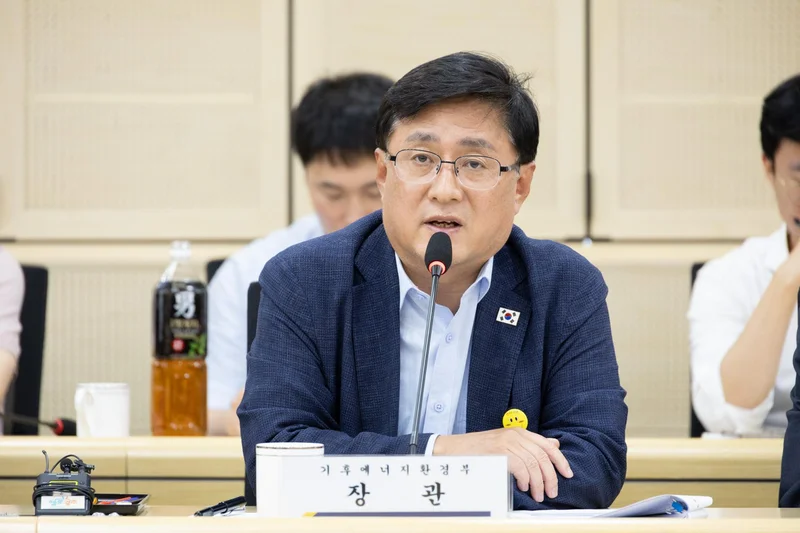
Following the incident, Climate Minister Kim Sung-whan told employees that the ministry would examine whether its work practices or organizational culture had left civil servants exhausted or distressed.
In a Facebook post on Thursday, Kim said the ministry was conducting an internal audit in parallel with the police investigation.
"We will thoroughly establish the facts and take appropriate measures to ensure that such a tragedy never happens again," he wrote, adding that the ministry would do its utmost to support the bereaved family members in accordance with their wishes.
The ministry also plans to establish a task force composed primarily of junior officials and hold a series of listening sessions with employees.
Many ministry employees, however, remain skeptical that the measures will address the root causes of the incident.
They point to structural problems that have persisted since the ministry was launched from the former Ministry of Environment, including cultural friction between officials transferred from the environment ministry and the former Ministry of Trade, Industry and Energy, as well as chronic staffing shortages.
Officials say junior civil servants have been stretched by mounting workloads as the ministry assumed responsibility for major policy initiatives, including setting the national greenhouse gas reduction target and drawing up power and water supply plans for three large-scale national projects, without a corresponding increase in staffing.
The climate ministry branch of the Korean Government Employees' Union said it will begin gathering employees' views next week, after the official mourning period ends, before calling on Kim to take responsibility for the incident.