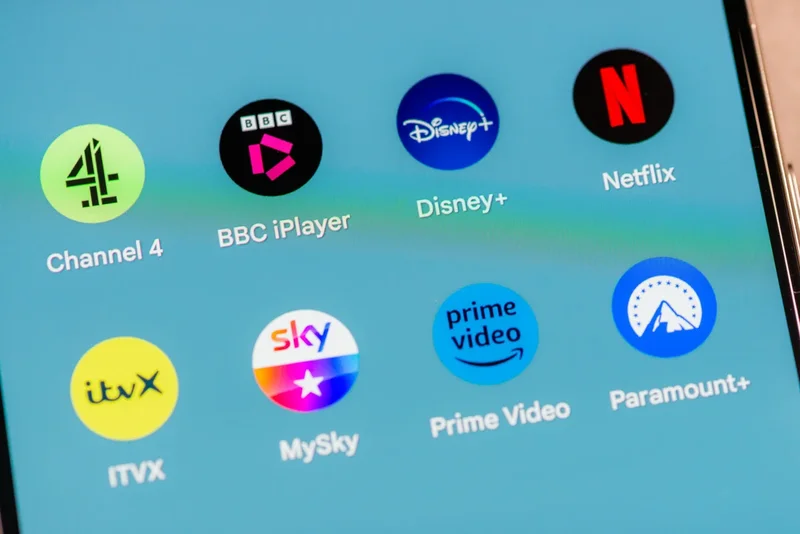
Netflix has marginally surpassed the BBC as the primary choice for television viewers, according to a new Ofcom survey.
The regulator's annual Media Nations report indicates 26% of viewers now turn to Netflix first, compared to 25% for the BBC, while ITV is the initial selection for 15% of audiences.
The report also reveals a significant surge in YouTube consumption.
Time spent watching YouTube on television sets has doubled since 2022, now averaging 19 minutes daily.
Across all devices, total YouTube viewing rose to 41 minutes per person a day, up from 33 minutes in 2022.
This growth is notably strong among older demographics, with weekly YouTube engagement for the over-75s increasing from 28% in 2022 to 33% last year.
Ofcom said the figures underlined the “growing challenges” faced by traditional broadcasters from global streaming platforms and online video services.
Despite a 9% year-on-year increase in the growth of on-demand TV such as BBC iPlayer, ITVX and 5 streaming, this was not enough to offset the continued decline in audiences for traditional channels.
Last year, 70% of people in the UK watched content from traditional broadcasters – including live TV, recorded playback and on-demand services – for at least 15 minutes in an average week, down from 73% in 2024 and 78% in 2022.
Declines were seen across all age groups, including viewers aged 75 and over.
Netflix screened the two most-watched programmes overall in 2025 – K-Pop Demon Hunters and Adolescence – with the BBC so far this year screening eight of the 10 most-watched programmes, including The Night Manager and Run Away.
Celebrity Traitors and its video podcast Traitors Uncloaked is this year’s biggest title so far, with the finale attracting an average audience of 14.9 million viewers across BBC One and BBC iPlayer.
England’s World Cup semi-final defeat to Argentina on July 15 attracted a peak audience of 24 million viewers across BBC platforms.
Aside from screens, 93% of adults listen to some form of audio content – and 87% listen to live radio every week, giving it the longest reach of any media sector.
More than a quarter of UK adults now listen to podcasts on a weekly basis.
Kate Davies, group director for strategy and research at Ofcom, said: “As audiences increasingly benefit from an incredible choice of content, competition between traditional broadcasters, streaming services, video sharing platforms and other forms of digital media is fierce.
“But in face of these challenges, traditional broadcasters are showing resilience with the power to bring millions of us together to watch or listen for big, national moments, as well as growing their digital offerings.
“To thrive and survive in the current media landscape, it’s more important than ever for companies to continue to understand changing audience habits and adapt their strategies to meet people where they are.”