The vaccine will be offered in two doses, the first at 18 months of age via Sweden's child health centres (Barnavårdscentralen, often called BVC), and the second when the child is 7–8 years old via school student health programmes.
"All children should receive this protection. It feels urgent, because it is a rather prolonged, painful disease. And for the parents it means a lot of trouble," said Minister of Social Affairs Jakob Forssmed of the Christian Democrats.
Chickenpox is a common, highly contagious disease that can sometimes cause serious illness. Chickenpox is most common in preschool children.
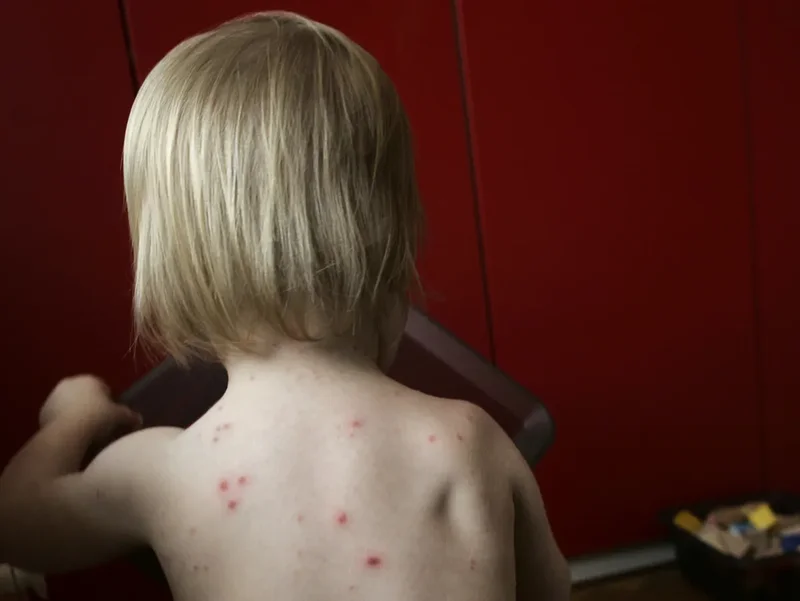
The disease begins with fever and body aches that last for a few days. This is followed by itchy blisters on the body - usually first on the trunk, later on the face, scalp and oral cavity.
After recovering from chickenpox, the virus remains in the body's nerve cells (regardless of whether the person had the disease with or without symptoms) and can be reactivated later in life, causing shingles, among other things.
Chickenpox also carries a risk of infection in the blisters that form on the skin, which may require antibiotic treatment.
"If we can avoid it, then we can also reduce antibiotic resistance. So this is positive in many ways," said Forssmed.
Children who are older than 18 months when the vaccination program begins are not covered by the program. To prevent them from becoming infected at a later age, the government is financing a temporary effort to offer vaccination to children aged 5–17, who are not yet immune to the disease.
The cost to the state for free chickenpox vaccination for children will be 43 million kronor per year, from 2027 when the programme begins. For the temporary vaccination measures, it will be 49 million in 2027 and 51 million annually from 2028 to 2032.
Forssmed emphasizes that it is a priority issue, and hopes ultimately to eradicate the disease in Sweden.
"We have signed an agreement with the Swedish Association of Local Authorities and Regions (SKR) that runs for three years. After that, we have probably come a long way in terms of eradicating the disease. But the plan is that the catch-up vaccination will be offered for a number of years after that. Vaccines within the vaccination program will be offered every year permanently," he said.
The government made the decision on the necessary change to the infectious disease control ordinance on Thursday, July 30th.