Your support helps us to tell the story
From reproductive rights to climate change to Big Tech, The Independent is on the ground when the story is developing. Whether it's investigating the financials of Elon Musk's pro-Trump PAC or producing our latest documentary, 'The A Word', which shines a light on the American women fighting for reproductive rights, we know how important it is to parse out the facts from the messaging.
At such a critical moment in US history, we need reporters on the ground. Your donation allows us to keep sending journalists to speak to both sides of the story.
The Independent is trusted by Americans across the entire political spectrum. And unlike many other quality news outlets, we choose not to lock Americans out of our reporting and analysis with paywalls. We believe quality journalism should be available to everyone, paid for by those who can afford it.
Your support makes all the difference.
Read more
Former Socceroos captain Paul Wade has revealed a diagnosis of probable chronic traumatic encephalopathy (CTE), a degenerative brain disease linked to repeated head impacts.
The 64-year-old said a neurologist had made the diagnosis in late 2025 after he experienced symptoms for over a year.
Wade, who played 84 internationals and captained the Socceroos from 1990 to 1996, becomes one of the nation's highest-profile football figures to speak publicly about CTE.
Brain injuries linked to heading have become a prominent issue, with former players launching class-action lawsuits against governing bodies and pressure growing on administrators to tighten concussion protocols and limit heading in junior soccer.
Doctors are only able to make a confirmed CTE diagnosis after death, though common symptoms including aggression and dementia may surface while a patient is living.
"Receiving a diagnosis of probable CTE has been difficult," Wade said on Wednesday.
"But I have decided to speak publicly because I know there may be other players and families facing similar questions.
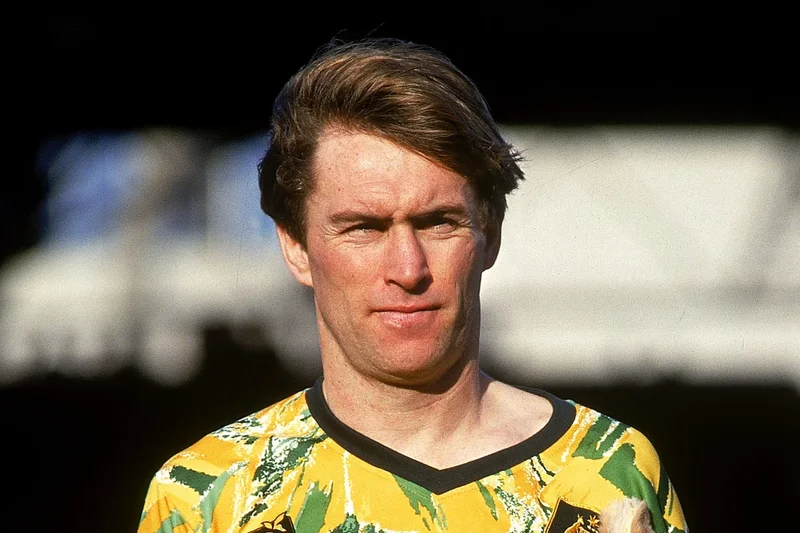
Paul Wade was given the diagnosis in late 2025 after he experienced symptoms for over a year (Getty)
"I do not want to discourage anyone from playing football, as I think there are so many positive health benefits.
"But we do need to understand more about the long-term effects of repeated head impacts and make sure that players, families and the game have the information and support they need to protect future generations."
England's Football Association has been looking to address concerns about dementia and other potential health risks linked to heading. In 2024, it introduced a rule to phase out deliberate heading in youth-level matches.
Wade's neurologist Rowena Hobbs called for a reduction in heading in soccer, including banning it for players under 12.
"We want former players to get help as early as possible so they can live well and tackle the effect of CTE on thinking, emotion and behaviour," said Hobbs.
Australia's professional players' union said it had commissioned a neurophysiologist to develop its position on heading guidelines, concussion protocols and player education and support.
"Australian football must proactively pursue being Australia's safest sport. That means tackling the issue of brain injury, through better policies," Professional Footballers Australia Chief Executive Beau Busch said.
Reuters has contacted Football Australia for comment.