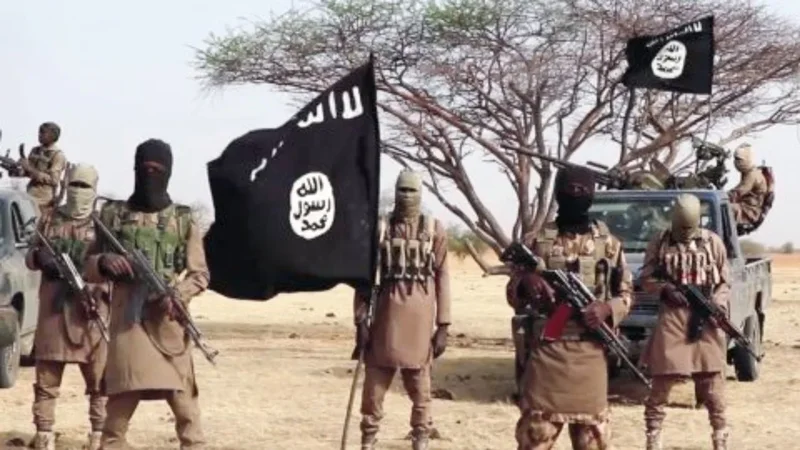
A fresh wave of internal distrust has reportedly engulfed the leadership of the Islamic State West Africa Province (ISWAP) in the Lake Chad Basin, following the arrest and detention of four senior members of the group’s influential Shura Council by its overall leader in the area, Ba Shuwa.
This is contained in a statement by security expert, Zagazola Makama, on X.
Zagazola said the arrests were ordered after the group’s internal intelligence unit, known as the Amniyya, concluded a prolonged surveillance operation on the four senior figures.
According to him, the detained leaders were accused of repeatedly listening to what ISWAP leadership described as “subversive” audio messages believed to have originated from Nigerian military psychological operations targeting insurgents in the Lake Chad region.
He added that those arrested were identified as Mallam Burin, a widely respected Qaid (field commander) with considerable influence among fighters operating around the Lake Chad islands; Babakura Wanjam, a prominent ISWAP cleric known for providing ideological guidance to members; as well as Abu Huraira and Mallam Ari Kara, both senior members of the group’s Shura Council.
He said the arrests have triggered anxiety and uncertainty within ISWAP’s ranks, particularly because those detained are regarded as trusted members of the organisation’s senior decision-making body.
The development is being viewed as one of the clearest signs yet of growing suspicion and internal fractures within the terrorist group’s leadership structure.
“The detention of influential commanders and religious figures by their own leader reflects an atmosphere of deep mistrust within the organisation.
“It suggests that Ba Shuwa is increasingly concerned about possible ideological drift, dissent or covert influence among even his closest associates,” a security source familiar with the development said.
The latest incident comes amid sustained military pressure by Nigerian and regional forces against ISWAP strongholds in the Lake Chad Basin, where intelligence-driven operations and psychological campaigns have continued to target the group’s command structure and rank-and-file members.