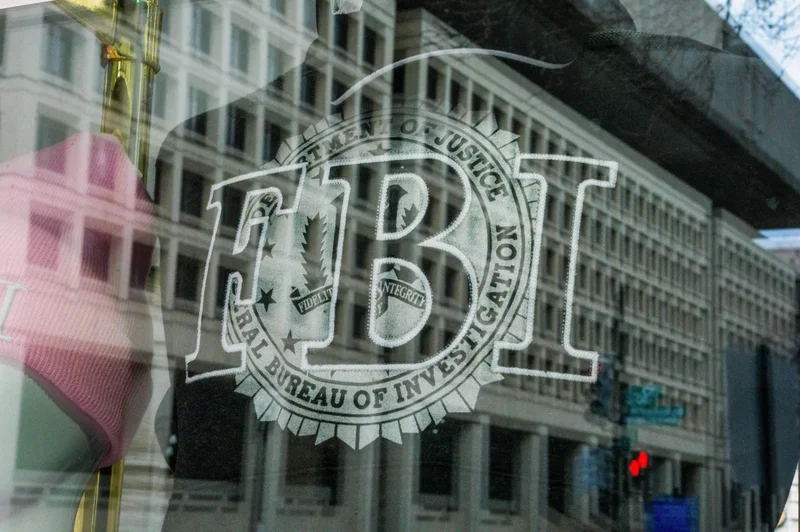
An FBI agent has allegedly turned himself in for stealing about $1 million in cryptocurrency from foreign nationals the agency was investigating.
Patrick Steven Yaroch contacted the Department of Justice last week to confess to making “very poor decisions related to cryptocurrency wallets,” according to a Federal Bureau of Investigation affidavit filed with a district court in Virginia.
Yaroch used FBI systems to access the keys needed to transfer funds from cryptocurrency accounts associated with an “adversarial nation” to himself, the document released Monday says. Starting in late 2024 or early 2025, he conducted about 10 transfers totaling around $1 million, it says.
The filing details how Yaroch met with a DOJ employee he knew on July 29 and “immediately started to break down as he told his story.” He decided to come clean “because of the shame” that was “eating him up inside,” it says.
Yaroch became aware of the accounts in November 2024 in the course of his investigative work. He grew frustrated when he realized the FBI “could not or would not act against” such accounts, so he went into FBI systems and found the keys he needed to transfer the money to himself.
Yaroch said he never interacted with anyone associated with the accounts, including foreign entities, the filing says.
The FBI last week searched Yaroch’s residence and vehicle. During the search, he provided his iPhone Face ID and pin to the agents, who accessed his account on Kraken, a crypto platform. He also told them of other applications he used for the transfers — an app called Slush, which was then connected to a project named Suilend.
Searches of Yaroch’s phone found that in May this year he asked ChatGPT: “If I had a million dollars, how would you suggest investing/spending it to maximize profit and return.” He also told it he was 37 with a young family and had a goal of retiring around 40 to a foreign country like Portugal.
Yaroch was fired by the FBI on July 31, the same day he was arrested. He has been charged with interstate transportation and receipt of stolen goods, securities and monies.
The court document doesn’t identify any lawyers representing him.