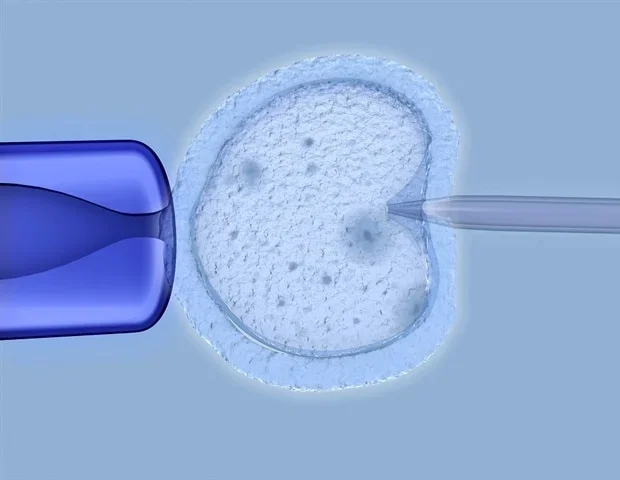
Preparation techniques used before embryo transfer, considered the most critical step in the IVF process, show no proven effect on pregnancy rates and remain inconclusive due to limited or low-quality data, a new Cochrane review finds.
Embryo transfer is the final and most vulnerable stage in in vitro fertilization (IVF) with only a third of transfers resulting in pregnancy. To improve the odds, clinicians use various techniques, but it's uncertain which techniques result in higher pregnancy rates.
Practice varies across clinics. Some centers routinely use preparatory techniques such as adjusting bladder fullness, while others do not consider them necessary and omit them entirely.
The researchers analyzed 11 studies involving a total of 2,524 women undergoing embryo transfer. They examined three categories of preparation techniques used by fertility clinics: straightening the utero-cervical angle by having women arrive with a full bladder, removing cervical mucus before transfer, and "afterloading," a technique for guiding the embryo through the cervix.
Overall, the researchers found that none of the three techniques was backed by reliable evidence of benefit. The included trials were small and were riddled with methodological weaknesses, meaning the evidence was rated low or very low certainty, and the authors did not find grounds to recommend any of these practices over standard care.
"To an extent, this is a case of tradition driving practice rather than the evidence," says Dr Ryosuke Akino, practicing obstetrician-gynecologist from Kato Ladies Clinic.
Current practices in this area often reflect local protocols, clinician preference, and historical convention rather than strong, high-quality evidence."
Dr. Ryosuke Akino, Practicing Obstetrician-Gynecologist, Kato Ladies Clinic
Little data was available on side effects, but the review team – comprising methodologists and practicing obstetrician-gynecologists – noted that full bladder preparation and cervical mucus removal are generally considered safe, with no clear evidence of harm or major complications.
"While these techniques are generally considered safe, it's still important to test their effectiveness," says Dr James Brown, obstetrician-gynecologist from Women's Health and Research Institute Australia.
Dr Akino and Dr Brown add: "A full bladder can be uncomfortable, although it may ease catheter insertion in certain uterine positions and reduce procedural difficulty. Mucus removal is usually quick, but if done roughly and causes bleeding, it may affect the woman's experience. Overall, the risks are minor and relate mostly to discomfort and procedural factors rather than clinical harm."
While most aspects of IVF have advanced considerably over the past few decades, this particular step has remained largely unchanged. Research attention has instead shifted toward embryo quality and genetic factors, which have a greater bearing on success rates than transfer technique. Embryo transfer is also highly dependent on the person doing the procedure and hard to standardize, making large, rigorous trials difficult to design. Women are often reluctant to risk valuable embryos in a randomized trial.
"Sixteen years of research still haven't answered a basic IVF technique question," says Dr Noyuri Yamaji from Showa Medical University, Japan. "This is a critical step in the IVF process and these small changes and techniques have the possibility to make a massive difference, but we won't know more until more robust, better-quality trials are conducted."
All the studies included were conducted in high-income countries, meaning the findings may not generalize to other healthcare settings and populations. Because these procedures are inexpensive and simple to change, the authors argue it may be especially valuable to prioritize research in resource-limited settings, where basic procedural standardization could matter more than advanced technical modifications.
Source:
Journal reference:
Yamaji, N., et al. (2026) Techniques for preparation prior to embryo transfer. Cochrane. DOI:10.1002/14651858.CD007682.pub3. https://www.cochranelibrary.com/cdsr/doi/10.1002/14651858.CD007682.pub3/full.