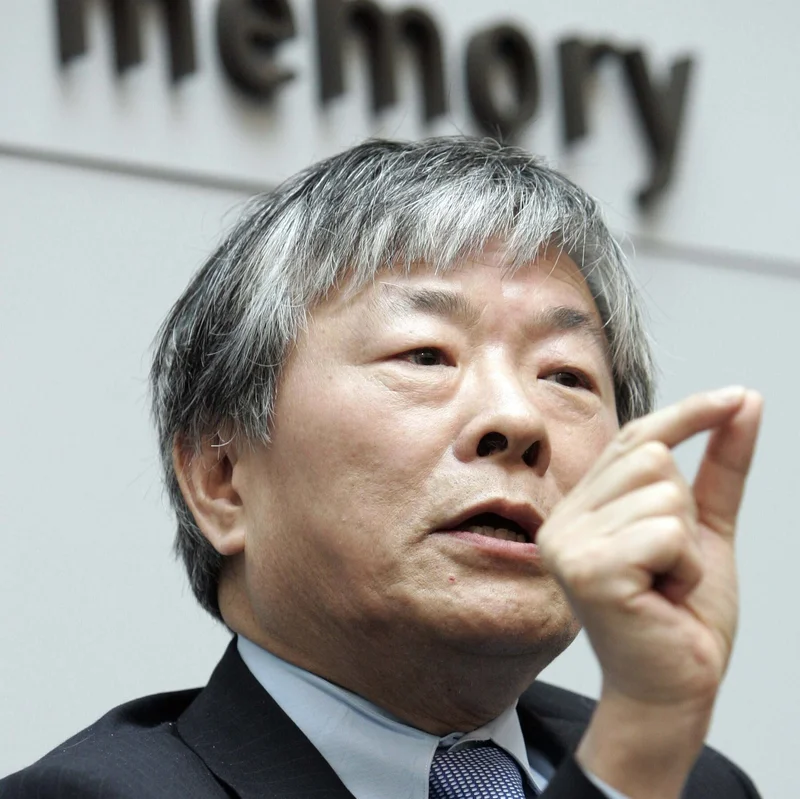
Susumu Tonegawa, a Japanese molecular biologist who won the Nobel Prize in 1987 for figuring out how the body can produce sufficient antibodies to combat a multitude of infections, and who later advanced the understanding of how the brain works by discovering how memories are stored, died on July 11 at his home in San Mateo, Calif. He was 86.
The Massachusetts Institute of Technology, where Dr. Tonegawa was a professor, announced his death.
“Few scientists have reshaped our understanding of biology as profoundly,” Myriam Heiman, the director of M.I.T.’s Picower Institute for Learning and Memory, which Dr. Tonegawa founded in 1994, said in a statement. “His intellectual fearlessness, extraordinary creativity and relentless pursuit of fundamental questions opened entirely new frontiers in both immunology and neuroscience.”
For decades, scientists were confounded by the antibodies created in the white blood cells known as B lymphocytes.
Those antibodies, which fight disease, are shaped like Y’s, with two long and two short symmetrical chains of proteins built from amino acids, all bound together by bridges of sulfur atoms. Most of the long proteins and some of the short ones are considered constants because they are the same in all antibodies.
At the end of each strand are variable amino acids that allow the antibodies to bind to antigens on an array of infections, disabling them. A common analogy is that the constant amino acids are like the shaft of a key, and the variable ones are the notches that turn the lock. As with a key, each combination of notches is unique.