Your support helps us to tell the story
From reproductive rights to climate change to Big Tech, The Independent is on the ground when the story is developing. Whether it's investigating the financials of Elon Musk's pro-Trump PAC or producing our latest documentary, 'The A Word', which shines a light on the American women fighting for reproductive rights, we know how important it is to parse out the facts from the messaging.
At such a critical moment in US history, we need reporters on the ground. Your donation allows us to keep sending journalists to speak to both sides of the story.
The Independent is trusted by Americans across the entire political spectrum. And unlike many other quality news outlets, we choose not to lock Americans out of our reporting and analysis with paywalls. We believe quality journalism should be available to everyone, paid for by those who can afford it.
Your support makes all the difference.
Read more
Britain's biggest defence companies have seen a £4bn boost to their value since the surprise appointment of John Healey as chancellor.
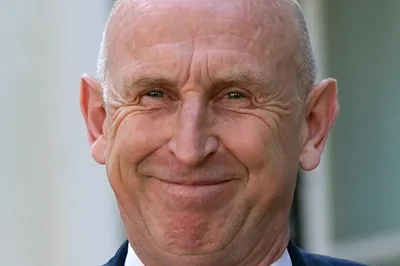
Investors appeared to have concluded that the former defence secretary, who quit Sir Keir Starmer’s government claiming ministers had failed to provide enough money to keep Britain safe, is likely to increase military spending in Andy Burnham's government.
London's defence sector outperformed the wider European market as traders welcomed Mr Burnham's decision to appoint him to the Treasury, seeing it as a signal that the new government could loosen the purse strings to bolster Britain's armed forces.
BAE Systems led the rally, climbing 3.23 per cent to add around £1.85bn to its market value. Rolls-Royce rose 1.24 per cent, increasing its valuation by roughly £1.42bn, while Babcock jumped 7.5 per cent, adding about £400m.
QinetiQ gained 3.9 per cent, worth around £100m and Chemring rose 2.6 per cent, lifting its value by approximately £40m.
The gains left the sector almost £4bn more valuable in Tuesday trading.
Mr Healey's appointment surprised many Labour MPs and Burnham allies, who had expected home secretary Shabana Mahmood to become chancellor. Mr Healey’s resignation as defence secretary last month is one reason investors believe defence could be one of the winners under the new chancellor.
BAE Systems shares got a boost today (Getty Images)
Andrew Wishart, senior UK economist at Berenberg, said Mr Healey's departure from the Ministry of Defence (MoD) over funding “suggests that he will raise military expenditure”, although “how he will raise the revenue remains to be seen”.
Investors are also speculating that Mr Healey could revisit proposals for “defence bonds” – government borrowing earmarked specifically for military investment – an idea he has previously backed.
Whether the chancellor can deliver significantly higher defence spending is another matter.
Chris Beauchamp, chief market analyst at IG, warned that Mr Healey's new responsibilities extend far beyond the MoD.
“As chancellor, he will have many competing demands and won't just be the MoD's man in No 11,” he said.
“His experience made him an obvious candidate for the role, but it will not be easy to find substantially more money for defence, particularly when the new prime minister has already made a series of costly spending commitments elsewhere.”
The market reaction nevertheless underlines investors' belief that Britain's defence industry could be among the early beneficiaries of the Burnham government.
The sector has already enjoyed a prolonged rally as European governments have increased military budgets in response to Russia's invasion of Ukraine and growing geopolitical tensions. Traders will now be watching Mr Healey's first Budget closely for signs that those expectations of higher UK defence spending will be met.