Topline
Ozempic drugmaker Novo Nordisk sued rival GLP-1 manufacturer Eli Lilly in federal court Tuesday, accusing the company of using “intentionally selected outdated studies” to curate allegedly misleading ad campaigns that exaggerate the efficacy of Lilly’s products.
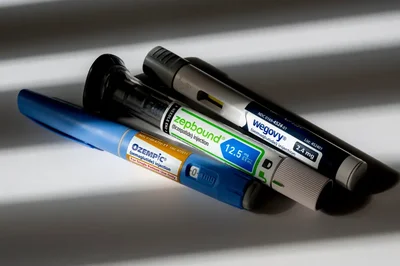
Novo Nordisk's lawsuit accuses Eli Lilly of using outdated data in advertisements. (Photo by: Michael Siluk/UCG/Universal Images Group via Getty Images)
UCG/Universal Images Group via Getty Images
Key Facts
Novo Nordisk said it filed a lawsuit in New Jersey federal court on Tuesday, accusing Eli Lilly of violating state and federal false advertising and unfair competition laws.
The lawsuit accuses Lilly of a “nationwide pattern of deceptive advertising” that “confuses consumers,” and Novo Nordisk said it chose to sue after Lilly did not pull its ads following a cease-and-desist request.
Novo says an ad campaign crafted by Lilly uses an outdated dose of Novo’s Wegovy to compare it unfavorably to Lilly’s Zepbound, accusing the company of withholding information about a higher dose of Wegovy approved by the Food and Drug Administration in March.
Lilly’s ad comparing Zepbound and Wegovy is “especially misleading because there is no head-to-head clinical trial comparing the highest doses of these two medicines,” Novo says.
Novo also pointed to an ad campaign Lilly ran comparing Ozempic unfavorably with Lilly’s Mounjaro, accusing the campaign of comparing a high dose of Mounjaro to a lower dose of Ozempic, despite a higher dose being FDA approved.
Forbes has reached out to Novo Nordisk and Eli Lilly for comment.
what to watch for
Novo says it is seeking a permanent injunction from the court that would require Lilly to pull its “misleading comparative advertising” campaigns and conduct a “corrective advertising campaign.” If Lilly does not voluntarily pull these ads, Novo says it will seek a preliminary injunction, a temporary court order that would block the ads from airing.