Now Published in Two Editions
Africa Intelligence Brief · Africa Intelligence Dossier
You’re reading the Brief — today’s hemisphere at a glance, free, every weekday. The Dossier is the full working document: an editor’s leader, a long-form deep dive on the week’s anchor story, the proprietary Country Risk Dashboard, Trade \& Positioning views, data exhibits, and full sources. Built for analysts, PMs, and diplomats who need the analytical layer the news cycle skips.
Rio Times · Africa Intelligence Brief July 21
—Mali Ambush More than 50 Malian soldiers and allied Russian fighters were killed in a weekend ambush near Tinzaouaten.
—Guinea-Bissau ECOWAS demanded the immediate release of detained opposition figures, including leader Domingos Simões Pereira.
—Mauritania A boat capsizing off the coast left 144 migrants dead or missing while trying to reach the Canary Islands.
—Uganda Plea Africa’s CDC chief wrote to a top US health official to lift Ebola travel curbs despite a month of no new cases.
—Hunger Shock A United Nations report confirms Africa has officially overtaken Asia for the highest number of acutely food-insecure people.
—Senegal Shift President Faye endorsed his predecessor Macky Sall for the United Nations Secretary-General role, signalling a political thaw.
Africa Intelligence Brief July 21 — A wave of grim news sweeps across Africa today, from a devastating military ambush in Mali to the continent becoming the world’s hunger centre. Diplomatic manoeuvres in West Africa and faint market relief in the south provide only glimmers of hope against a backdrop of insecurity and despair.
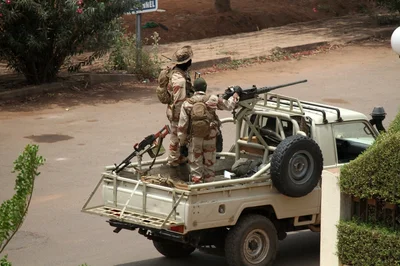
Africa Intelligence Brief July 21. (Photo internet reproduction)
One-stop reference
Company Intelligence
Every listed company in Latin America — financials, ownership and structure for 1,450+ companies across 26 exchanges, in one place.
RTAsk Rio TimesMarkets, currencies and the economy›
RT
Ask Rio Times
Latin American markets, currencies and companies.
×
Markets todayThe currencyRates \& inflationEconomy outlook
Shock, anxiety, and frustration colour the regional mood this Tuesday, as leaders grapple with escalating violence, political detentions, and humanitarian catastrophes that demand urgent but elusive solutions.
Mali — A Bloody Ambush Shatters the North
Unified Foes Strike
Over 50 Malian soldiers and Russian allies were killed in a complex weekend ambush near Tinzaouaten, claimed jointly by the al-Qaeda-linked JNIM and Tuareg separatist group CSP-DPA. Survivors described a chaotic retreat where many troops were taken hostage, making this one of the highest tolls for Wagner forces in the country.
The attack underscores a deepening alliance between jihadist and separatist fighters against the central government and its foreign partners. It shatters any illusion that the security situation in northern Mali is stabilising.
A Traumatised Nation
The mood across Mali is one of shock and mounting exhaustion, with citizens questioning the cost of the partnership with Russian paramilitaries. This attack is a severe psychological blow, reinforcing a sense of unending war.
Military leaders now face intense public pressure to protect troops and restore state authority, yet the ambush reveals a worsening tactical advantage for the insurgents in the vast desert terrain.
The Sahel Corridor — A Continent’s Bleeding Core
Hunger Epicentre
In a crushing milestone, a United Nations report shows Africa has overtaken Asia as the continent with the highest number of acutely food-insecure people. Conflict, climate shocks, and economic instability push over 150 million Africans into desperate hunger daily.
Countries like Nigeria, the Democratic Republic of the Congo, Sudan, and Ethiopia are hardest hit, turning the region into the world’s most urgent humanitarian emergency. The psychological weight of this shift deepens a sense of continental despair.
Endless Instability
The Sahel remains a deadly focal point for jihadist and separatist violence, exacerbated by the Wagner presence. Political upheaval and coups from Guinea to Sudan make coordinated responses nearly impossible.
Regional bodies like ECOWAS struggle to maintain constitutional order, their influence tested by regimes that have grown intransigent after taking power by force.
A grim and jittery mood dominates today, with northern Mali’s mass casualty ambush deepening an already traumatic security crisis across the Sahel.
Guinea-Bissau — Detention Crisis Tests ECOWAS
A Bloc’s Demand
ECOWAS has urged the military-backed government to unconditionally free detained opposition figures, most notably Domingos Simões Pereira of the PAIGC party. The arrest spiralled from post-election tensions, threatening a full political crisis.
The demand followed an urgent ECOWAS summit in Sierra Leone that stressed regional stability. The bloc faces a credibility test, needing to show it can still enforce democratic norms after a wave of West African coups.
Anxious Atmosphere
Anxiety and anger grip Bissau’s political class, with opposition members fearing a wider crackdown. Civil society watches nervously as the military-backed government shows little sign of bowing to external pressure.
The detention of a prominent leader like Simões Pereira risks isolating Guinea-Bissau further, deepening the public’s feeling of helplessness against an entrenched security apparatus.
Mauritania — The Atlantic Claims Over a Hundred Souls
A Deadly Crossing
The UN’s refugee agency confirmed that 144 migrants are dead or missing after a boat capsized off Mauritania while attempting the perilous voyage to the Canary Islands. Survivors recalled severe fuel shortages and dangerously overloaded conditions.
This tragedy is part of a deepening migration crisis across West Africa, where desperate economic prospects force people onto rickety vessels bound for Europe. The Atlantic route is now one of the world’s deadliest passages.
Collective Mourning
The mood is one of profound sorrow and helplessness across the region, as families await news of the missing. Mauritania, a key departure point, faces urgent calls to crack down on smugglers.
The human toll feeds a continental narrative of lost youth and broken dreams. Humanitarian despair is palpable, as each new shipwreck hardens the perception of a system that profitably ignores human life.
Senegal — A Surprising Political Thaw
United Nations Endorsement
President Bassirou Diomaye Faye formally endorsed his predecessor, Macky Sall, as Senegal’s candidate for United Nations Secretary-General. The move signals a remarkable political reconciliation after years of tense and often bitter rivalry.
Sall’s candidacy now carries significant West African backing, potentially positioning him as the region’s consensus pick. The endorsement reflects a pragmatic shift within Senegal’s governing elite.
Cautious Pragmatism
The mood in Dakar is one of cautious political pragmatism, with the healing of rifts offering stability to the nation. However, the decision divides grassroots opinion, as many opposition supporters still view Sall with deep suspicion.
For the wider region, the gesture represents a capacity for dialogue that stands in stark contrast to the hardline politics seen in Guinea-Bissau. It offers a faint counterpoint of hope amid West Africa’s turmoil.
Uganda — Pleading for Travel Freedom
The Ebola Letter
Africa’s top public health official, Dr Jean Kaseya of the Africa CDC, wrote to the United States Secretary of Health and Human Services requesting an immediate lifting of Ebola-related travel restrictions against Uganda. The country has reported no new infections for about a month.
The travel curbs are strangling Uganda’s economy and damaging the nation’s international image. The letter argues that the restrictions are now scientifically unjustified and punitively harmful.
Frustration Boils
A mood of frustration and economic anxiety grips Kampala’s business community and ordinary citizens. The perception is that the country is being unfairly isolated despite a successful containment effort.
This quiet health diplomacy echoes painful memories for many Africans of travel bans during past outbreaks. The persistent curbs fuel a sense of double standards in global health governance.
Ivory Coast and Kenya — Political Fault Lines Shift
Abidjan’s Olive Branch
In Ivory Coast, six officials from the opposition PDCI party walked free after months of detention linked to protests against President Ouattara’s bid for a fourth term. The release is seen as a calculated gesture to calm political tensions ahead of a fraught 2026 electoral cycle.
Guarded optimism tempered by deep distrust characterises the atmosphere in Abidjan. The opposition and civil society feel a cautious relief but remain wary of a government that has tightened its grip on power.
Nairobi’s Crackdown
Hundreds were arrested in Kenya’s capital during street demonstrations that marked the first anniversary of the 2025 Gen Z uprising against economic hardship. Rights groups condemned the police response as disproportionate, citing a campaign of intimidation against young protesters.
A mood of defiance now clashes with intense repression on Nairobi’s streets. The youthful momentum that shook the establishment a year ago is being met with a hardened state response, threatening to extinguish a vital democratic spark.
Cameroon and South Africa — Invisible Rulers, Visible Rifts
Biya’s Prolonged Shadow
In Cameroon, 93-year-old President Paul Biya has not been seen publicly for over two months, fuelling intense speculation about his health and fitness to govern. The opposition and civil society openly question who is in control ahead of critical elections.
An unsettling mood of uncertainty and whispered power struggles pervades Yaoundé. The government’s insistence that Biya remains in control from abroad does little to quell fears of an institutional drift towards crisis.
Johannesburg’s Dual Face
South Africa’s Home Affairs Minister pledged a firm crackdown on xenophobic attacks after recent violent flare-ups targeting migrant communities in Johannesburg townships. Looting and intimidation have left foreign nationals living in fear, demanding action beyond government rhetoric.
The national mood is sharply split. Market players cheered a firmer rand on easing global jitters, but in working-class neighbourhoods, anger over anti-migrant violence reveals a deep social wound that official promises have repeatedly failed to heal.
The Bigger Picture
Today’s Africa briefing reveals a continent grappling with traumatic extremes. From a massacre of soldiers and their Russian partners in Mali to Mauritania’s mass drowning of migrants, the human toll is staggering and immediate.
Yet the day is not without its counterpoints. Senegal’s reconciliation and Ivory Coast’s prisoner release hint that political settlements are possible, even as Kenya’s crackdown and Guinea-Bissau’s detentions show how fragile such progress remains.
Ultimately, the overriding psychology is one of grim endurance. The news that Africa is now the global centre of severe hunger solidifies a feeling that fundamental systems are failing ordinary people, leaving them to navigate a landscape of external threats and domestic abandonment.
Africa Intelligence Brief July 21: What We Are Watching
- Today – ECOWAS monitors Guinea-Bissau’s response to its demand to free jailed politicians.
- Today – Mali’s government holds emergency security meetings after the deadliest ambush in months.
- This week – Uganda awaits a formal US reply on lifting Ebola travel curbs harming trade.
- This week – Cameroonian opposition stages subtle protests over President Biya’s open-ended absence.
- This week – Kenya’s courts begin processing the mass arrests of young activists in Nairobi.
- This week – South African authorities face a deadline to show concrete steps against xenophobic groups.
- This week – The UN launches a flash appeal to support survivors of the Mauritanian shipwreck.
- This week – Senegalese diplomats lobby African Union counterparts to back Sall’s UN bid.
Go Deeper
The full Africa Intelligence Dossier — the interactive risk dashboard, the six people who matter and the downloadable PDF — is updated daily by the Rio Times Intelligence Desk.
The Africa Intelligence Brief July 21 returns tomorrow morning.
Frequently Asked Questions
Which groups claimed responsibility for the ambush in Mali?
The al-Qaeda-linked JNIM and the Tuareg separatist group CSP-DPA claimed it jointly.
How many migrants died or went missing in the Mauritania boat capsizing?
144 migrants are dead or missing.
Who did Senegal’s President Faye endorse for UN Secretary-General?
He endorsed his predecessor Macky Sall.
Get the full Africa Intelligence Brief Dossier
The Dossier is the full working document — editor’s leader, deep dive, country risk dashboard, trade views, charts, full sources. Built for analysts and decision-makers.
LatAm Markets: Live Signals → — real-time movers, turnover leaders and FX across Latin America.
Read More from The Rio Times