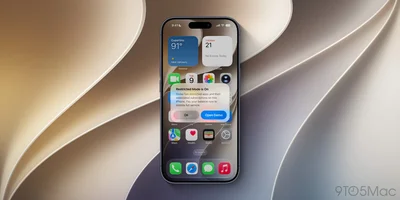
Code found in the iOS 27 beta suggests Apple has built a system that could restrict leased devices when customers fall behind on payments. Here are the details.
A bit of context
Earlier today, Bloomberg reported that Apple may soon debut a new “Apple Upgrade” leasing program in the US, allowing customers to make lower monthly payments for hardware purchases.
According to the report, Apple is partnering with Klarna to finance the program, which would cover most iPhone, Mac, iPad, and Apple Watch models. Leases for iPhones and Apple Watches would reportedly run for 24 months, while Mac and iPad leases would last 36 months.
Bloomberg says customers would be able to pay off their device or upgrade to a new model before the lease ends, potentially for an additional fee. At the end of the term, they could either keep the device or return it, much like a car lease.
What iOS 27 reveals
9to5Mac can now confirm that code found in the iOS 27 beta appears to reveal a broader system for managing a financed iPhone, including the ability to restrict apps and services when payments are missed.
The code describes a system called App Managed Features, which allows an authorized financing or provider app to enroll an iPhone and perform ongoing status checks.
If the contract is no longer in good standing, Apple’s system services can place the iPhone in “Restricted Mode,” which blocks access to most apps until the payment or contract issue is resolved, while keeping a small set of apps available. The fixed allowlist currently found in the iOS 27 beta includes:
- Accessibility Reader
- App Store
- Health
- Magnifier
- Phone
- Clock
- Settings
- Wallet
- Passwords
- The Restricted Mode interface itself
Apps that can send critical alerts, such as Messages, Home, and certain medication or safety apps, may also remain accessible. However, the provider appears to have some control over those exceptions.
The code does not appear to cancel, suspend, or otherwise modify App Store subscriptions associated with blocked apps. As a result, a subscription could continue billing even while access to its app is restricted.
Additionally, there isn’t a fixed number of missed payments that automatically triggers the restrictions. The financing provider’s app decides when to lock the device based on its own policies.
Finally, the new framework also introduces a new type of activation lock called “Partner Finance Lock,” which is meant to prevent users from erasing, reselling, or stripping a restricted device for parts.
This framework lives inside Find My, but to be clear, the financing partner does not have access to the device’s location. The integration is only there to keep the finance lock in place, even if the device is erased or restored.
In light of Bloomberg’s report that Apple Upgrade will launch next week, 9to5Mac looked for these code references in the iOS 26.6 RC released yesterday, but could not find them. This likely means the company will either add the necessary code to the final iOS 26.6 release, or launch Apple Upgrade at a later date.
It is also important to note that these findings are based on the current implementation of frameworks included in the iOS 27 beta, so some details may change before release. However, the references described above are unequivocally present in the current code.
What’s your take on these findings? Let us know in the comments.
Worth checking out on Amazon
FTC: We use income earning auto affiliate links. More.