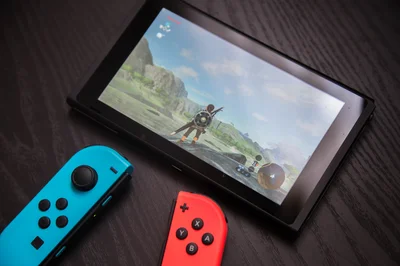
Nintendo is fighting in court over whether it should have to share with customers any refund it receives from the US government for tariff fees, arguing against returning money to consumers who paid higher prices for its products.
In March, Nintendo sued the federal government for its share of about $166 billion in refunds owed to companies, including FedEx and Dollar General, after some of President Donald Trump’s tariffs were ruled illegal. A month later, two Nintendo customers filed a proposed class-action lawsuit in the US District Court for the Western District of Washington, claiming the company would be double-dipping by reaping additional profits when it raised product prices and then collecting money from refunds.
Before the Supreme Court rejected the tariffs, Nintendo raised the prices of several accessories by $5 to $10 in April 2025. Last August, Nintendo increased the price of the original Switch hardware in the US by $30 to $50, depending on the model.
Now, in a motion filed in response to the proposed class action suit, Nintendo says it doesn’t owe anything to gamers who bought its products at higher prices, because they chose to pay the higher price.
A representative for Nintendo did not immediately respond to a request for comment.
What Nintendo’s telling the court
As reported by Game File, Nintendo’s latest court filing bluntly characterizes the situation, stating that customers who paid higher prices while tariffs were in effect “received exactly what they bargained and paid for” and that they are not entitled to a rebate based on subsequent legal developments.
The global entertainment company known for cute baby dinosaurs like Yoshi and family-friendly theme park attractions was not so adorable in its legal response, writing, “The money Plaintiffs paid represents the purchase price of the goods they wanted and received; Plaintiffs are not entitled to a rebate simply because of intervening legal developments related to tariffs.”
Nintendo goes on to argue that it did not raise prices across the board or include its latest flagship product, the Nintendo Switch 2, in its price increases.
“Instead, Nintendo imposed modest and selective price adjustments, and it chose to bear the costs of tariffs on some of its most popular products of 2025,” the filing states. “If a consumer did not want to pay the advertised price, they were free to abstain from purchasing the product or seek out competing products.”
Nintendo is seeking a dismissal of the lawsuit if it cannot settle the case through arbitration.
Commenters on IGN’s website had mixed reactions, with many saying gamers are not entitled to any compensation for the outcome of unpredictable politics, while others criticized Nintendo’s reasoning.
One person, going by agmonger23, wrote, “But didn’t Nintendo get exactly what they bargained and paid for when they agreed to pay the tariffs in order to import their products? They should be happy to forego their request for a refund.”
However, at Game File, commenter James Jackson defended Nintendo’s response, at least with respect to the proposed class action. “Nintendo has plenty of other anti-consumer practices. This one’s not worth suing over,” he wrote.
According to Fortune, $71 billion has been paid back to US companies that covered tariff fees. While some shipping companies, including FedEx, UPS and DHL, have said they plan to give customers the money back from these refunds, some tech companies, including Amazon, have been the target of similar lawsuits.