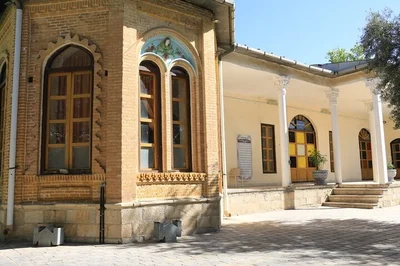
TEHRAN – Iran’s western province of Ilam will use the annual Arbaeen pilgrimage to introduce its historical monuments and ancient civilization to domestic and foreign pilgrims passing through the Mehran border crossing, the province’s cultural heritage chief said on Monday.
Farzad Sharifi, director general of Ilam’s Department of Cultural Heritage, Tourism and Handicrafts, said the religious event offers an opportunity to present the province’s historical and cultural assets to millions of pilgrims traveling to Iraq for Arbaeen.
“Ilam, with its hundreds of valuable historical and cultural sites, is one of the country’s most important regions with an ancient civilizational background,” Sharifi said, according to the ministry’s news service.
He said authorities had prepared programs to promote the province’s attractions through the production and distribution of informational materials, tourism information centers and media outreach, enabling pilgrims to learn about Ilam’s history, culture and identity alongside their religious journey.
Sharifi said Ilam’s historical complexes, castles, archaeological sites and other heritage monuments reflect the region’s long history and cultural legacy. He added that introducing these sites during Arbaeen could encourage more tourists to visit the province throughout the year.
The official said Arbaeen should be viewed not only as a religious occasion but also as an opportunity to introduce Ilam’s culture, civilization and heritage to pilgrims and visitors from across Iran and other Islamic countries, adding that the initiative could contribute to the development of cultural tourism and support the local economy.
In Shia Islam, Arbaeen marks 40 days after Ashura, the anniversary of the martyrdom of Imam Hussain (A.S.), the grandson of the Prophet Muhammad (PBUH) and the third Shia Imam. Each year, millions of pilgrims travel to the Iraqi holy city of Karbala, many on foot, to commemorate the occasion.
The Mehran border crossing in Ilam province is one of the main gateways used by Iranian and international pilgrims traveling to Iraq during the Arbaeen pilgrimage, making the province a key transit point for one of the world’s largest annual religious gatherings.
AM