According to internal emails reportedly seen by The Guardian, WorkSafe NZ had challenged recall notices in Australia “from the get-go” after detecting asbestos in its own testing.
A WorkSafe NZ spokesperson told theoutlet it had consistently advised that any potentially affected products “must be managed, removed and disposed of as friable asbestos-containing material until proven otherwise“, yet this wasn’t widely adopted.
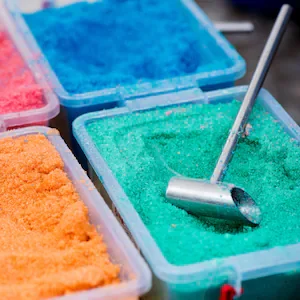
An AUT study confirmed the presence of airborne asbestos fibres in several products in findings shared earlier this month. Photo / 123rf
Consumer NZ chief executive Jon Duffy said The Guardian report was “really concerning” and draws attention to a wider issue around how product safety regulation is conducted and monitored.
“We run a really high trust model here in New Zealand when it comes to product safety, and that means the onus is imported out to either the manufacturer or the importer to make sure they that they have testing in place to reassure the public that products are safe,” he told Ryan Bridge TODAY.
“The legal obligation is on them. We don’t really have regulators who are going out there and ensuring that this model is working appropriately.”
Duffy said the problem stemmed from the existing regime being designed to keep costs low by shifting the burden of testing onto businesses.
He believed regulators needed to “at least be probing the edges” of the testing process to ensure it was satisfactory.
“I think it’s perfectly reasonable, as you say, for a consumer who reads a warning or a recall notice that has come through a government agency or a regulator to assume that that regulator has had some skin in the game, and isn’t just blindly relying on testing results that they’ve been provided by the businesses in question,” he said.
Consumer NZ chief executive Jon Duffy has expressed concern over the Guardian report's findings.
“There’s an inherent conflict between the company that wants to make money off selling this product, that’s providing you the information to endorse it, and independent testing.”
Duffy said the public was being let down by conflicting information throughout the process, and that people with children who may have been exposed needed “clarity” on what to do.
“This Guardian article has come out and is sending a separate message to what the regulators in Australia, the regulators in New Zealand and the businesses involved have been sending.
“So we really need our regulator to step in and provide New Zealanders with clear information on what the actual status of this situation is.”
The issue came to light last year when an Australian laboratory unintentionally detected asbestos in play sand products while analysing samples for staff training and machine testing.
Authorities on both sides of the Tasman were only notified after a lab analyst mentioned it during a podcast interview.
This prompted inquiries by WorkSafe New Zealand, leading to the recall of Educational Colours and Creatistics coloured sand products on November 12.
By December, the Ministry of Business, Innovation and Employment (MBIE) had issued recalls for five suppliers’ products, affecting about 74,000 units sold nationwide.
The Warehouse and Warehouse Stationery later issued a voluntary recall for their Uniti sand art product in April after MBIE approached them with a positive test result for traces of asbestos.
The contamination involved a form of asbestos called tremolite, a naturally occurring mineral that is more carcinogenic than the chrysotile asbestos typically found in older building materials.
Initially, MBIE and the Ministry of Health echoed the “low risk” sentiment published by the Australian Competition and Consumer Commission (ACCC) in its recall notices.
Following the release of AUT’s findings earlier this month, the Ministry of Health reconvened its Technical Advisory Group to assess the results while MBIE said it would work to update its advice and contact the relevant retailers.
All asbestos-containing products are barred from importation into New Zealand unless a permit is obtained from the Environmental Protection Authority.
Sign up to The Daily H, a free newsletter curated by our editors and delivered straight to your inbox every weekday.