Key Facts
- Zinc prices are holding near multi-year highs with London Metal Exchange spot zinc quoted around 3,529.00 dollars per tonne on 20 July 2026, close to levels last seen four years ago
- Latin America is central to mine supply as Peru, Mexico and Bolivia sit among the world’s largest zinc-producing countries in recent industry rankings
- Nexa Resources offers a direct zinc proxy with operations in Peru and Brazil and a 2024 revenue jump to 881 million dollars on higher zinc prices and volumes
- Buenaventura gives a diversified Peruvian read as a large miner whose shares are used as a broader Peru metals proxy beyond pure zinc exposure
- Galvanised steel demand links zinc to construction since zinc is primarily used to coat steel for corrosion protection, tying prices to building, infrastructure and manufacturing cycles
- Analysts see a tighter but not explosive market with Trading Economics projecting zinc near 3,570.97 dollars per tonne by quarter-end and 3,755.81 dollars in 12 months, while other forecasters highlight potential downside towards 3,000 dollars if demand underwhelms
Today’s Focus
Zinc prices are trading just below recent peaks, with London benchmarks around 3,529.00 dollars a tonne, reflecting a market that is tight on supply but facing patchy demand from steel and construction users.
For foreign investors looking at Latin America, Peru, Mexico and Bolivia remain pivotal mine suppliers, and the day’s move in zinc is best read through locally anchored producers such as Nexa Resources and a broader Peruvian proxy like Buenaventura.
Most of the price action is being driven by a tug-of-war between constrained mine and smelter output and softer galvanised-steel orders, which keep zinc elevated yet vulnerable to any further cooling in construction pipelines.
Forecasts now diverge, with some models pointing to zinc drifting higher into 2027 and others flagging room for a slide towards 3,000 dollars, leaving Latin American miners finely exposed to how quickly real-economy demand and infrastructure spending recover.
What matters today. What matters is whether galvanised-steel demand and Latin American mine output tighten the zinc market further or allow prices to slip back towards more comfortable levels for buyers.
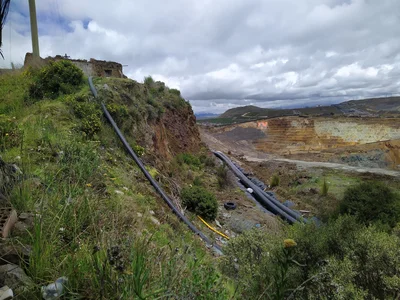
Zinc — the daily wrap. (Photo internet reproduction)
One-stop reference
Company Intelligence
Every listed company in Latin America — financials, ownership and structure for 1,450+ companies across 26 exchanges, in one place.
RTAsk Rio TimesMarkets, currencies and the economy›
RT
Ask Rio Times
Latin American markets, currencies and companies.
×
Markets todayThe currencyRates \& inflationEconomy outlook
01 The session in one read
Zinc futures are trading close to four-year highs, with London spot levels around 3,529.00 dollars a tonne and only modest day-to-day moves, suggesting a market that is tight but waiting for a clearer demand signal. Traders describe the tone as balanced rather than euphoric, with elevated prices reflecting constrained mine and smelter output even as consumption from key zinc users such as galvanised-steel makers and construction firms shows signs of fatigue.
Assessment — Tight but demand-sensitive zinc MEDIUM
The zinc market is caught between genuine supply constraints and a softer macro backdrop, leaving prices elevated near 3,529.00 dollars a tonne but no longer in a one-way rally. Supply disruptions at smelters and guidance misses from major producers, including in Peru, have trimmed expected refined output, yet construction and manufacturing orders for galvanised steel remain uneven, especially outside Asia, tempering any further surge. For Latin American names such as Nexa Resources and Buenaventura, this translates into meaningful earnings leverage to zinc but also share prices that can react quickly to shifts in building activity, infrastructure approvals and steel-sector sentiment, making the trajectory of galvanised-steel demand the variable to watch.
02 The board
The live board for Latin American miners shows Nexa Resources at 12.02 dollars, down 1.39 percent day-on-day in the latest settled New York session, and Buenaventura at 30.06 dollars, off 0.60 percent, giving investors a clean read on how regional producers are digesting zinc’s plateau at high levels.
Nexa, with core zinc mining and smelting operations in Peru and Brazil, behaves as a relatively pure zinc proxy, while Buenaventura, with its diversified Peruvian metals portfolio, reflects broader sentiment on the country’s mining sector, so their small declines hint at cautious positioning rather than wholesale risk-off.
| Asset | Level | Change |
| --- | --- | --- |
| Nexa Resources | 12.02 $ | -1.39% |
| Buenaventura | 30.06 $ | -0.60% |
Source: EODHD close, 2026-07-20. Where a commodity has no spot feed, an exchange-traded tracker or leading producer is shown as a labelled proxy.
03 What moved it
Recent zinc moves are being driven primarily by supply-side tensions, including fires and disruptions at smelters in Asia and guidance cuts at major producers, which have nudged global refined zinc expectations lower and kept prices from retreating towards earlier surplus forecasts. At the same time, demand from galvanised-steel makers, especially those linked to construction and manufacturing, has cooled from the peaks of the last building cycle, turning the metal’s rally into more of a plateau as buyers push back against further price increases.
04 The Latin American read
Latin America remains central to the global zinc story, with Peru, Mexico and Bolivia counted among the world’s largest mine-supply contributors, making the region a natural focus for foreign investors tracking the metal’s fundamentals. These countries feed smelters in Asia and domestic galvanised-steel producers, so any swing in their output, whether from regulatory changes, project delays or local cost pressures, can ripple quickly through zinc’s global balance and price trajectory.
05 The names to watch
Nexa Resources stands out as a key listed proxy for zinc in Latin America, running major mines and smelting assets in Peru and Brazil, including what analysts describe as the only zinc smelter in Peru, and reporting 2024 revenue of 881 million dollars, up 19.9 percent year-on-year on stronger zinc and copper pricing and volumes. Buenaventura, while less zinc-pure, offers exposure to Peru’s wider metals mix and is often used by investors as a barometer for the country’s mining health, meaning its share performance alongside Nexa can help triangulate how global zinc trends are feeding into local equity valuations.
06 The outlook
Forward-looking models suggest zinc may stay supported but volatile, with Trading Economics projecting prices near 3,570.97 dollars per tonne by quarter-end and 3,755.81 dollars in 12 months, JP Morgan expecting averages between 3,400 and 3,500 dollars for the rest of 2026, and BMI warning that a drift back towards 3,000 dollars is possible if demand stays soft, leaving Latin American miners exposed to both upside and downside as real-economy steel and construction orders evolve.
07 What to watch
- Galvanised-steel demand: Because zinc’s main use is coating steel, any sustained improvement or deterioration in building and infrastructure pipelines across Latin America and Asia will directly shape the metal’s price path and miners’ earnings.
- Latin American mine output: Production trends in Peru, Mexico and Bolivia can tighten or loosen global supply, with disruptions or new capacity affecting both benchmark zinc prices and local equities such as Nexa and Buenaventura.
- Smelter disruptions and maintenance: Operational issues at major smelters, including past fires and maintenance outages, have already supported prices; further incidents or rapid normalisation would alter the tightness of refined zinc supply.
- Policy and infrastructure spending: Government decisions on infrastructure, housing and industrial stimulus in large consuming regions will set the tone for galvanised-steel and hence zinc demand, feeding through to Latin American producers’ volumes and margins.
Frequently Asked Questions
How high is zinc trading compared with recent history?
Zinc is trading around 3,529.00 dollars per tonne on the London Metal Exchange, close to a four-year high and well above levels seen when markets expected a comfortable surplus in the metal.
Why are Peru, Mexico and Bolivia so important for zinc?
These countries rank among the largest global suppliers of mined zinc, and their ore feeds both local and international smelters, making their production trends a key input for world prices and investor sentiment on the sector.
How does galvanised steel link zinc to construction?
Galvanised steel is ordinary steel coated with a thin layer of zinc to prevent rust, so zinc demand rises and falls with building activity, infrastructure projects and broader manufacturing cycles that use steel products.
What do current forecasts say about zinc’s direction?
Forecasts vary: Trading Economics models a drift higher towards 3,755.81 dollars in 12 months, JP Morgan expects averages between 3,400 and 3,500 dollars for the rest of 2026, while BMI sees room for prices to fall towards 3,000 dollars if demand disappoints, underlining a market that is tight but highly sensitive to real-economy trends.
LatAm Markets: Live Signals → — real-time movers, turnover leaders and FX across Latin America.
Read More from The Rio Times