-
Shepherd Uncovers Giant New Dinosaur Species

A local shepherd in Patagonia has discovered a previously unknown long-necked dinosaur, named Bicharracosaurus dionidei, which could reach lengths of up to 20 meters. This find is significant for paleontologists studying the Southern Hemisphere's prehistoric fauna. The discovery promises to shed new light on dinosaur evolution in this region, with further research already underway.
-
New Giant Dinosaur Unearthed in Patagonia
A previously unknown long-necked dinosaur species, Bicharracosaurus dionidei, has been discovered on a Patagonian farm. Measuring up to 20 meters in length, this find could reshape our understanding of dinosaur evolution in the Southern Hemisphere. Scientists are now preparing to analyze the fossils to unlock more secrets about prehistoric life in this region.
-
Hormone FGF21 Reverses Obesity in Mice

Scientists have found that the hormone FGF21 can reverse obesity in mice by activating a unique brain circuit in the hindbrain, distinct from how popular drugs like Ozempic work. Unlike appetite suppressants, FGF21 boosts the body's energy expenditure, offering a fresh approach to weight loss and liver disease treatment. This breakthrough opens new avenues for developing targeted therapies for obesity in humans.
-
Sperm Whale Speech Mirrors Human Language

A groundbreaking study reveals that sperm whales communicate using complex vocal patterns strikingly similar to human language. Researchers found that these whales use an 'alphabet' of clicks with vowel-like sounds that vary in length and tone, akin to languages like Mandarin and Latin. This discovery suggests an independent evolution of sophisticated phonetic structures in sperm whales, opening new doors for understanding and potentially conversing with these ocean giants. Project CETI aims to decode more whale expressions within five years, bringing us closer to interspecies dialogue.
-
Protein Linked to Blood Stem Cell Aging
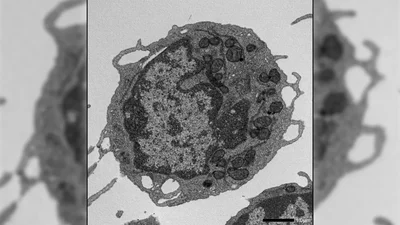
Scientists have uncovered that a protein traditionally associated with cell death actually accelerates aging in blood stem cells by damaging their mitochondria and draining their energy. This discovery reveals a new aging mechanism that weakens the immune system over time. Turning off this protein kept stem cells healthier and more resilient, suggesting a promising path to slow aging at its root.