-
Lidl's £400 Solar Panels Slash Bills

Lidl has launched affordable plug-in solar panels priced at just £400 in the UK, aiming to make renewable energy accessible to everyday households. This move supports government efforts to reduce soaring energy costs by enabling easy DIY installation. With energy bills a major concern, these panels could significantly cut household expenses while boosting green energy adoption. The rollout marks a pivotal step in democratizing solar power across the country.
-
UK Prepares for Food Crisis Amid Iran Conflict
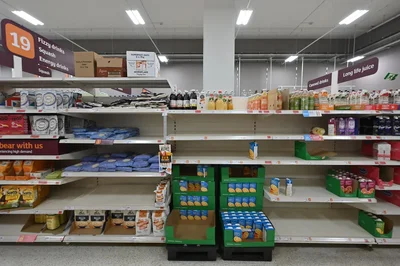
The UK government is actively planning for potential food shortages triggered by the ongoing war in Iran. Business Secretary emphasized that the public should remain calm as ministers develop contingency strategies to mitigate supply disruptions. This proactive approach aims to ensure food security despite international tensions. Officials will continue monitoring the situation closely to adjust plans as needed.
-
China's Energy Crunch Exposes System Flaws
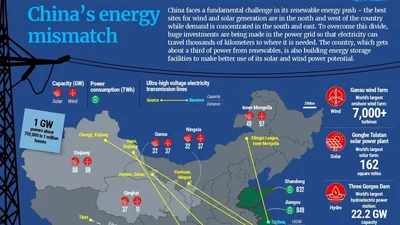
China faces a growing energy mismatch as demand surges while supply struggles to keep pace, spotlighting deep structural issues in its power sector. The imbalance threatens economic stability and highlights the challenges of transitioning to cleaner energy sources amid rapid industrial growth. Experts warn that without urgent reforms, the gap between energy supply and demand could widen, impacting global markets. China's next steps will be critical in reshaping its energy landscape and securing sustainable growth.
-
Japan Coins Term for 40°C Heatwaves

Japan's Meteorological Agency has officially introduced a new term to describe days when temperatures soar above 40°C, reflecting the country's increasing encounters with extreme heat. This move highlights growing concerns over climate change and its impact on public health and safety. As heatwaves become more frequent, the new terminology aims to raise awareness and improve communication about severe weather conditions.
-
Rupee Surges on New Oil FX Strategy
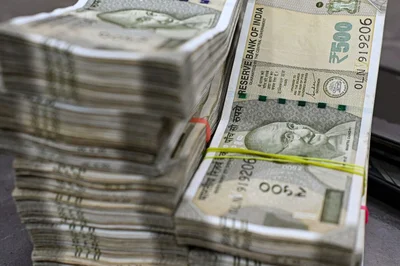
The Indian rupee emerged as Asia's top performer following reports that the Reserve Bank of India has instructed state-owned oil refiners to channel their dollar purchases through a dedicated credit facility. This move aims to stabilize currency flows amid volatile oil import payments. Market watchers see this as a strategic step to support the rupee and manage foreign exchange risks. The coming weeks will reveal how this intervention shapes India's currency dynamics.