-
Inside MCP Agents: AI's Real-Time Toolmasters
MCP agents are AI models that autonomously decide which tools on an MCP server to call, executing multiple steps to answer user queries or complete tasks. Unlike single API calls, these agents loop through tool selection, execution, and result analysis, often making 5 to 10+ calls per user message. This dynamic orchestration enables complex workflows without manual intervention, making AI interactions more powerful and flexible. Tools like MCP Agent Studio let users test these agents live, highlighting their decision-making process and cost implications. As AI adoption grows, understanding MCP agents is key for developers and users aiming to optimize performance and security.
-
New Tool Slashes Claude Code Costs

Anthropic has launched a new cost tracking tool for Claude Code, helping developers monitor and reduce their AI usage expenses. The tool offers built-in commands like /cost and /stats, detailed local JSONL session logs, and integrates with popular third-party apps such as ccusage for granular cost insights. This innovation addresses the previous lack of transparent spending data, enabling users to cut costs by up to 50% with practical tips. Developers can now better manage budgets and optimize AI workflows, promising smarter, more affordable coding sessions ahead.
-
FeatDrop Makes Product Updates Visible
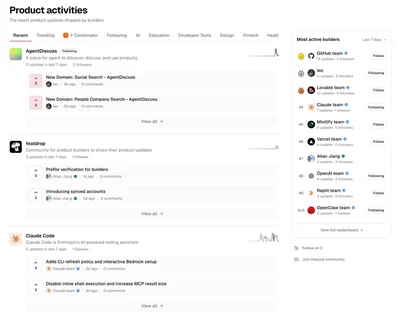
FeatDrop is a new tool launched in 2026 to help solo developers and small teams share their product updates publicly. Its creator, frustrated by the invisibility of his own daily improvements, designed FeatDrop as a public changelog platform that highlights progress with features like an update calendar. This tool aims to boost visibility and motivation for builders who often ship quietly. As it gains traction, FeatDrop could become essential for indie developers wanting to showcase momentum and connect with users.
-
Freeze Linux Packages with Aptly Snapshots
Aptly introduces a game-changing way to manage Linux package updates by creating immutable snapshots of APT mirrors. This method ensures reproducible package states across multiple machines, enabling controlled rollouts, quick rollbacks, and stable offline environments. Unlike caching proxies, aptly focuses on deterministic installs and auditability. With a straightforward setup involving GPG signing and nginx serving, admins can now freeze and switch package states at will, improving reliability and control.
-
Platform Engineering Powers DevSecOps Growth
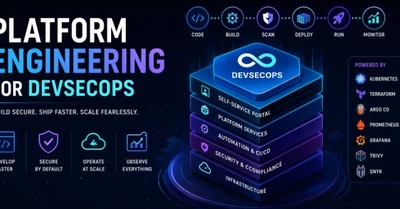
Platform engineering is rapidly becoming the backbone of modern DevSecOps workflows, with the global market hitting over $4.1 billion in 2025 and growing at 22% annually. It streamlines complex environments by providing standardized, secure developer platforms that cut onboarding time by 60% and double feature delivery speed. As enterprises increasingly adopt these platforms, the future points to AI-driven automation enhancing security and deployment. Ignoring platform engineering today risks inefficiency and security gaps in tomorrow's DevSecOps.