AI & Machine Learning 11
-
macOS App Gemini AI Diagnoses Errors Automatically

The new macOS menu bar app HiyokoBar integrates Gemini AI to automatically analyze script errors without manual log copying. This innovation saves engineers time by delivering concise diagnoses directly in the menu bar, eliminating context switching. With secure API key storage and a sleek golden AI Insight panel, HiyokoBar turns error monitoring into a seamless experience. The app is now available and gaining attention on Product Hunt.
-
AI Drives UK Datacenters Beyond London

AI workloads are pushing Britain's datacenter expansion away from London due to power shortages and planning limits. Over 80% of the UK's datacenter capacity is around London, but areas like West London are hitting saturation with limited land and grid capacity. The UK government is promoting AI Growth Zones with energy discounts to encourage operators to move to regions like Scotland and northern England, where renewable power is abundant. This shift aims to balance power demands and support AI growth nationwide, even as some projects like OpenAI's Stargate face delays due to high energy costs.
-
Google Unveils Gemini CLI Subagents

Google has launched subagents in Gemini CLI, enabling developers to delegate complex tasks to specialized AI agents working alongside a main session. This innovation allows parallel task execution and reduces context overload, streamlining workflows and boosting performance. Developers can customize subagents with YAML configurations, enhancing control and collaboration. While promising, early feedback points to needed improvements in stability and user experience before widespread adoption.
-
Why AI Projects Stall After Demos

Many AI initiatives hit a wall after impressive demos because real-world conditions expose gaps that demos hide. According to The Hacker News, challenges like messy data, latency, edge cases, and integration issues cause deployments to falter. Governance hurdles around privacy and compliance further stall progress. Teams succeeding in AI deployment test with real data, integrate deeply, and enforce clear policies early on. The future of AI adoption depends on bridging the gap between demo shine and operational reality.
-
Google, Marvell Eye Custom AI Chips

Google is in talks with Marvell Technology to develop two new AI chips focused on inference workloads, aiming to diversify beyond its main partner Broadcom. The chips include a memory processing unit and a new TPU optimized for running AI models efficiently. This move reflects Google's strategy to reduce reliance on a single supplier amid booming AI demand, with no contract signed yet but clear intentions to expand its custom silicon supply chain.
-
AI-Driven Hack Hits Vercel Cloud

Vercel, a popular cloud platform, suffered a sophisticated breach powered by AI tools, compromising some customer credentials. The attack began through a third-party AI tool, allowing hackers to access internal systems with alarming speed and precision. This incident raises urgent concerns about the security of AI integrations and supply chain vulnerabilities in cloud services. Customers, especially in crypto, are urged to rotate credentials immediately as Vercel ramps up defenses and investigates further.
-
Siemens Deploys AI Humanoid in Factory
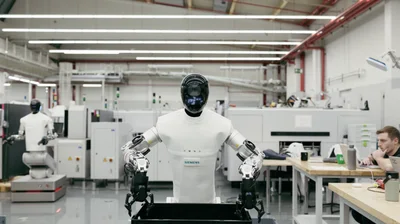
Siemens, in collaboration with Nvidia and UK startup Humanoid, has successfully integrated the AI-powered HMND 01 Alpha robot into live logistics at its Erlangen plant. The humanoid robot autonomously handled over 60 tote moves per hour with a 90%+ success rate during an eight-hour shift, marking a major step for factory automation. This deployment, running alongside human workers and other systems, sets a new standard for real-world industrial AI integration. Siemens plans to use this 'factory-grade model' as a blueprint for future humanoid robot rollouts.
-
AI Disrupts How Pros Talk Work

AI is changing the way professionals communicate about their expertise, prioritizing fluency over precision. This shift risks diluting the accuracy and depth that define true mastery in various fields. As AI-driven chat interfaces reward smoothness, experts must adapt to maintain credibility and clarity. The next challenge lies in balancing AI's ease with the need for precise, meaningful dialogue.
-
AI Token Quotas Inflate Creative Costs

The creative industries are grappling with a surge in AI token quotas, a billing method that counts tokens—units of AI input and output—to charge users. This system, while simple, fails to measure actual productive work, leading to inflated costs and inefficiencies dubbed Token Incremental Burn Syndrome (TIBS). As AI vendors push subscription models locking in users, concerns grow about long-term value and the risk of deskilling human creators. The future hinges on finding better metrics or facing entrenched AI monopolies that dictate creative workflows.
-
AI Struggles with Africa's Language Diversity

Africa's 2,000+ languages pose a massive challenge for AI content moderation, which currently supports fewer than 20. TikTok's Kenya hub reveals how moderators like Bereket Tsegay struggle to understand videos in unfamiliar tongues, leading to inconsistent removals and overlooked harmful content. This linguistic gap sidelines creators and fuels misinformation, while platforms face growing legal pressure under the EU AI Act and Digital Services Act. Efforts by groups like AfricaNLP aim to build better tools, but widespread coverage remains a distant goal.
-
China Narrows AI Gap Despite Lower Spending

The 2026 Stanford AI Index reveals China has nearly closed the AI performance gap with the US, now just 2.7%, down from over 17% last year, despite spending 23 times less on private AI investment. China leads in patents, publications, robotics, and energy infrastructure, while US AI talent migration has plummeted 89% since 2017. This shift challenges assumptions about US AI dominance and raises questions about the sustainability of investment-driven leadership as China’s AI capabilities rapidly advance.
Tech & Gadgets 10
-
Samsung's Galaxy Glasses Eye Apple and Meta

Samsung is reportedly gearing up to launch its first smart glasses, the Galaxy Glasses, potentially as soon as 2026. Spotted in the latest One UI software, these glasses aim to rival Apple and Meta's offerings by blending style with smart functionality. While Samsung remains tight-lipped, this move signals a serious push into the augmented reality space. The company is also developing a more advanced model for 2027, intensifying competition in the smart eyewear market.
-
Nova Launcher’s AI Assistant Sparks Privacy Debate

Nova Launcher is evolving from a simple Android launcher into a proactive AI assistant with its upcoming Nova AI feature, integrated directly into the launcher. This new AI will access sensitive data like calendar events, contacts, SMS, and location to offer contextual insights and reminders, raising significant privacy concerns. The introduction of a new subscription tier, Nova Plus, promises enhanced AI capabilities but marks a shift from the traditional one-time purchase model. Users and fans await the official release to see if the benefits outweigh the privacy trade-offs and subscription costs.
-
Huawei's Wide Foldable Beats Apple, Samsung

Huawei has launched the Pura X Max, the first wide foldable phone available to buy, beating Apple and Samsung to market. Featuring a 7.7-inch internal display and a 5.4-inch cover screen with peak brightness up to 3500 nits, it offers a book-style fold unlike typical foldables. Powered by the Kirin 9030 Pro chipset and running HarmonyOS 6.1, it supports advanced cameras and stylus input. Apple and Samsung's wide foldables are expected only in late 2026, giving Huawei a significant head start.
-
Apple Adds Tata EVs to Digital Car Keys

Apple is expanding its digital car key feature to include Tata's electric vehicles, marking a significant step in integrating Indian automakers into its ecosystem. This move allows iPhone and Apple Watch users to unlock Tata EVs via the Wallet app, enhancing convenience and security with NFC technology. Given Tata's prominence in India, this integration could accelerate adoption of smart vehicle tech in the region. Apple’s support for Tata joins a growing list of global car brands embracing digital keys, signaling broader industry momentum.
-
DJI's Mini Power Station Packs a Punch

DJI has unveiled the Power 1000 Mini, a compact 1kWh power station nearly half the size of its predecessor but with the same battery capacity. Designed for off-grid enthusiasts, it features a built-in retractable USB-C cable, solar MPPT controller, and can fast-charge from a vehicle's alternator. While its AC output is modest at 800W continuous, its portability and versatility make it ideal for vanlifers and outdoor users. The device's US market approval is still pending, but it’s already reshaping expectations for portable power.
-
App Store Ratings Spark Developer Outcry

Developers are sounding the alarm over Apple's App Store rating system, claiming it's fundamentally flawed. A 4-star review, often meant as positive, can actually hurt an app's visibility, since Apple favors 5-star ratings for editorial promotion. The pressure to prompt users for reviews disrupts app experience, creating a catch-22 for developers. Industry voices suggest Apple should ditch stars for a simpler thumbs-up/down system to better reflect user sentiment. The debate continues as developers seek fairer ways to showcase their apps.
-
Acer Predator Helios Neo Slashes Price

The Acer Predator Helios Neo 16 gaming laptop is now available for under $2,000 at Newegg, offering a massive $650 discount. This powerhouse features an Intel Core Ultra 9 275HX CPU, Nvidia RTX 5070 Ti GPU, 64GB RAM, and a 2TB SSD, making it a rare high-spec deal in today's market. Gamers can expect smooth performance on its 16-inch 240Hz IPS display. With such specs at this price, it's a steal for serious gamers looking to upgrade.
-
Apple Watch Series 11 Slashes Price

The Apple Watch Series 11 just dropped by $100 at Amazon, now selling for $329 instead of $429. This 23% discount makes it a prime pick for fitness enthusiasts, offering advanced health tracking like ECG, blood oxygen, and fall detection. With features like 50-meter water resistance and 24-hour battery life, it remains a top contender in smartwatches. Buyers should act fast as this deal highlights Apple's aggressive positioning in the wearable market.
-
GoPro’s Mission Cameras: Pricey Pro Gear
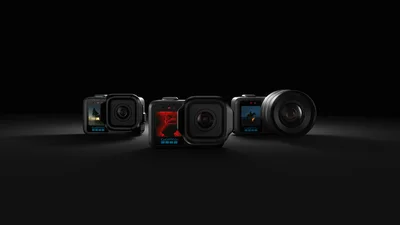
GoPro has launched its new Mission 1 and Mission 1 Pro cameras at $599.99 and $699.99, respectively, targeting professional filmmakers rather than casual weekend athletes. The cameras boast a 50MP 1-inch sensor and advanced GP3 processor, positioning them as the smallest and most durable high-res cinematic systems. However, their steep price may deter amateurs, who might prefer older discounted GoPro models or competitors like DJI and Insta360. The Mission series will release on May 28, with some accessories available at extra cost, signaling GoPro’s push into premium action camera territory.
-
Nothing’s Headphone Pro Hits Record Low

Nothing’s CMF Headphone Pro have dropped to their lowest price ever at just $69 on Amazon, marking a significant bargain for wireless over-ear headphones with premium features. Known for blending affordability with quality, these headphones offer standout perks like 100 hours of battery life, adaptive ANC, and customizable physical controls. This price cut could shake up the market, challenging pricier competitors like Sony and Bose. Consumers can expect more modular, budget-friendly audio gear from Nothing in the near future.
War & Conflicts 10
-
Largest Balikatan Drills Kick Off Amid Tensions

The Philippines, the United States, and allies including Australia, Japan, Canada, France, and New Zealand have launched the largest-ever Balikatan military exercises, involving over 17,000 troops. The drills, running from April 20 to May 8, focus on real-world readiness with live-fire operations near the South China Sea and Taiwan Strait, highlighting Manila's expanding security partnerships. China has warned these maneuvers risk regional peace and cautioned against escalating tensions. The exercises underscore strategic alliances as regional security challenges persist.
-
Russia Foils Ukraine-Linked Bomb Plot

Russia's FSB arrested a German woman in Pyatigorsk carrying a homemade bomb, alleging she was recruited by a Central Asian operative working for Ukraine. The device, equivalent to 1.5 kg of TNT, was intended to target a law enforcement facility in the Stavropol region and was disabled via electronic jamming. Moscow claims this foiled plot exposes Ukraine's covert sabotage efforts amid ongoing conflict, while Ukraine and Germany have yet to respond. The incident highlights escalating tensions and intelligence battles in the region.
-
Pakistan Pushes for US-Iran Peace Talks

Pakistan is intensifying its diplomatic efforts to host a second round of US-Iran negotiations in Islamabad, following an inconclusive first meeting. Interior Minister Mohsin Naqvi has met separately with US and Iranian envoys to finalize security and logistical arrangements, emphasizing Pakistan's commitment to peace and regional stability. Despite Iran's hesitation and ongoing tensions, including the closure of the Strait of Hormuz, Islamabad remains hopeful that talks will proceed on April 21. The outcome could be pivotal for easing a conflict that threatens global security.
-
Sudan War Worsens Child Crisis

As Sudan's civil war enters its fourth year, the humanitarian crisis for children is worsening dramatically. Over 4,300 children have been killed or maimed, with drone attacks devastating homes, schools, and hospitals. Displacement has surged past 13 million, spreading instability across East Africa. Despite international aid pledges exceeding €1.3 billion, urgent global action is needed to protect Sudan's vulnerable children and prevent further catastrophe.
-
Radev's Landslide Shifts Bulgaria's Course

Rumen Radev, Bulgaria's pro-Russia former president, has won a commanding majority in the parliamentary elections, securing about 130 of 240 seats. This victory ends years of political chaos and positions Radev to become prime minister, potentially steering Bulgaria closer to Moscow while maintaining a cautious stance on EU relations. The EU and Kremlin both reacted positively, but uncertainty remains over Bulgaria's future foreign policy direction.
-
US Seizes Iranian Ship, Tensions Surge

The US Navy seized the Iranian-flagged cargo ship Touska near the Strait of Hormuz after it ignored repeated warnings and was disabled by USS Spruance's gunfire. This marked the first such interception since the US imposed a naval blockade on Iranian ports, escalating tensions sharply. Iran condemned the seizure as piracy and threatened retaliation, while peace talks scheduled in Pakistan now face uncertainty. The incident underscores the fragile ceasefire and the risk of broader conflict in the Gulf region.
-
$292M KelpDAO Hack Sparks DeFi Crisis

The $292 million exploit of KelpDAO's cross-chain bridge, linked by LayerZero to North Korea's Lazarus Group, has triggered a massive liquidity crunch in DeFi. Attackers manipulated verification channels to drain 116,500 rsETH, causing panic withdrawals that pulled over $10 billion from lending platform Aave alone. This single point of failure exposed critical flaws in cross-chain infrastructure, forcing protocols to freeze markets and users to borrow against locked deposits. The fallout highlights systemic risks in DeFi's interconnected ecosystem and prompts urgent calls for stronger security measures.
-
Israel Violates Lebanon Ceasefire Again

Despite a ceasefire agreed last week, Israel continues military operations in southern Lebanon, including artillery shelling and house demolitions in villages like Bint Jbeil and Taybeh. The Israeli military warns civilians to stay away from the border areas, citing ongoing Hezbollah activity, while thousands of displaced Lebanese families cautiously return home to damaged or destroyed properties. The situation remains tense as Israel vows to use "full force" against threats, and an Israeli soldier's destruction of a Christ statue has sparked condemnation and an army investigation.
-
DR Congo, M23 Agree on Aid, Prisoner Release

DR Congo and the M23 rebel group have made significant progress in peace talks held in Switzerland, agreeing to ease humanitarian aid deliveries and release prisoners within 10 days. This breakthrough aims to build trust amid ongoing conflict in eastern Congo, where violence has persisted despite previous peace deals. The agreement also includes forming a ceasefire monitoring body supported by MONUSCO, signaling cautious optimism for stability ahead.
-
Oil Surges Amid US-Iran Strait Clash

Oil prices spiked over 6% as the US-Iran conflict reignited tensions around the Strait of Hormuz, a critical chokepoint for nearly 20% of global oil supply. The US seized an Iranian cargo ship, prompting Iran to reimpose a blockade, disrupting shipping and fueling market volatility. Despite hopes for a ceasefire, experts warn that supply disruptions could keep crude prices elevated near $100 a barrel for months. Investors now face uncertainty as geopolitical risks threaten inflation and energy markets worldwide.
Disasters & Emergencies 10
-
Fire Erupts at Rajasthan HPCL Refinery

A fire broke out at the HPCL refinery in Rajasthan's Baltora district on April 20, 2026, just a day before Prime Minister Narendra Modi was scheduled to inaugurate the facility. The blaze occurred within the refinery complex operated by Hindustan Petroleum Corporation Limited, though official confirmation is pending. This incident raises concerns about safety protocols ahead of the high-profile launch. Authorities are investigating the cause as the inauguration plans hang in the balance.
-
Small Plane Crashes in Tampa Yard

A small plane crashed into a residential yard in Tampa, Florida, killing the pilot on April 19, 2026. The incident has sparked an urgent investigation to determine the cause of the crash. Authorities are focusing on the pilot's actions and mechanical factors as they work to piece together what led to this tragic accident.
-
Six Missing After Ship Capsizes Near Saipan

An overturned cargo ship, the Mariana, was found near Saipan following Typhoon Sinlaku, with six crew members still missing, the U.S. Coast Guard confirmed. The vessel lost engine power amid fierce winds and rain, and contact was lost Thursday. Search efforts continue over 75,000 square nautical miles, with divers and drones deployed to investigate the ship. The ongoing search highlights the severe impact of the typhoon on the Northern Mariana Islands and the urgent need to locate the missing crew.
-
Floodwaters Surge in Gatineau and Ottawa

Rising waters on the Ottawa River have put 164 homes at risk in Gatineau, with 41 streets closed as emergency crews respond to the threat. The situation is critical as renewed rain forecasts increase pressure on flood-prone areas in Quebec and Ontario. Quebec Premier Christine Fréchette highlighted that flooding is becoming more frequent due to climate change. Authorities warn that water levels may peak soon but risks could persist for weeks, prompting preparations for possible evacuations.
-
Wellington Floods Trigger Emergency Alert

A state of emergency has been declared in Wellington, New Zealand, after torrential rains caused severe flooding and landslides across the region. Hundreds of residents in flood-prone areas, including Mount Cook, Brooklyn, and Island Bay, have been urged to evacuate immediately to ensure their safety. The flooding has submerged streets, homes, and vehicles, with emergency services actively coordinating evacuations and damage control. Authorities warn of continued heavy rain and advise residents to act swiftly and avoid floodwaters. Recovery efforts and assessments are underway as the community braces for ongoing severe weather.
-
Deliberate Fire Hits Derelict Antrim Hotel

A fire at the abandoned Antrim Arms Hotel in Ballycastle is being treated as deliberate by police. Over 40 firefighters battled the blaze late Sunday, with streets closed temporarily for safety. The hotel, a local heritage landmark, has been cordoned off for over a year due to structural concerns. Authorities are urging anyone with information to come forward as investigations continue.
-
7.4 Quake Rocks Northern Japan, Tsunami Alert Issued

A powerful 7.4-magnitude earthquake struck off northern Japan near Iwate prefecture at 4:53 pm local time, shaking buildings as far as Tokyo. Authorities issued tsunami warnings for coastal areas, expecting waves up to 3 meters, prompting evacuations and the suspension of bullet train services in Aomori. Japan's Prime Minister Sanae Takaichi has mobilized a crisis management team to respond. Officials are monitoring nuclear plants for damage, with early reports indicating no major incidents so far. Residents remain on high alert as aftershocks and tsunami risks persist.
-
Hong Kong Fire Survivors Return Home

Months after Hong Kong's deadliest fire in decades devastated the Wang Fuk Court complex, survivors are finally returning to their damaged homes to retrieve belongings. The fire in November killed 168 people and left thousands displaced, with many older residents preparing physically for the climb up blackened staircases. While some hope to reclaim cherished items, others face the harsh reality of destruction and uncertainty about future housing as authorities consider demolishing the damaged buildings.
-
Louisiana Shooting Kills 8 Children

In Shreveport, Louisiana, a domestic violence shooting claimed the lives of eight children aged 1 to 14, police confirmed. The suspect, identified as 31-year-old Shamar Elkins, died after a police chase and shootout. This tragic event, spanning multiple homes, has left the community devastated and is the deadliest U.S. mass shooting in over two years. Authorities continue investigating the motive behind this horrific act.
-
Massive Fire Ravages Malaysian Village

A devastating fire swept through a coastal village in Sabah, Malaysia, destroying about 1,000 homes and displacing roughly 9,000 residents. The blaze broke out early Sunday in a densely packed water village built on stilts, complicating emergency response efforts. Despite the scale of destruction, no casualties have been reported. Authorities continue to assess the damage and support displaced families.
Science 10
-
Scientists Craft Mirror-Image Bacteria

Researchers have engineered bacteria with proteins and sugars that are mirror images of those found in nature, aiming to unlock new insights into cellular construction, drug design, and the origins of life. However, growing concerns about potential catastrophic risks have led many scientists to reconsider the approach. The debate highlights the fine line between groundbreaking innovation and biosecurity, with the scientific community closely monitoring developments.
-
Cannabis Slows Teen Brain Growth

A major study involving over 11,000 adolescents reveals that cannabis use is linked to slower development in memory, attention, language, and cognitive speed. While early users sometimes showed initial cognitive advantages, they were eventually outpaced by non-users as they aged. Published in Neuropsychopharmacology, this research underscores concerns about marijuana’s impact during critical brain development years. Experts now call for more awareness and further studies to guide policy and parental decisions.
-
Pompeii Walls Reveal Ancient 'Machine Gun' Fire

Newly uncovered damage on Pompeii's northern fortifications suggests the use of an ancient repeating weapon called the polybolos during the 89 B.C.E. siege led by Lucius Cornelius Sulla. Researchers from the University of Campania Luigi Vanvitelli identified fanlike gouges consistent with this early 'machine gun,' a torsion-powered dart launcher described by Philo of Byzantium. This discovery offers fresh insight into Roman military technology and warfare tactics, with further studies expected to deepen understanding of siege weaponry in antiquity.
-
Colombia's Cocaine Hippos Age Faster, Risk Hearts

New research reveals that Colombia's invasive 'cocaine hippos,' descendants of Pablo Escobar's illegally imported animals, exhibit signs of accelerated aging and increased cardiovascular risks. Scientists warn that chronic inflammation, linked to faster biological aging, may be a key factor in their health decline. With over 169 hippos still roaming, Colombian authorities face tough decisions as sterilization efforts lag and euthanasia plans move forward.
-
Rare Roman Sun Altar Unearthed in Scotland

A rare 1,900-year-old Roman altar dedicated to the sun god Sol has been discovered in Inveresk, Scotland. This unique sandstone monument, pierced to let light shine through, was used in secret male-only rituals by soldiers stationed along the Antonine Wall. The altar offers fresh insight into Roman religious practices on the empire's northern frontier and will be displayed at National Museums Scotland starting November 14.
-
Loneliness Linked to Memory, Not Dementia

A new six-year study of over 10,000 Europeans aged 65 to 94 reveals that loneliness correlates with lower memory test scores but does not accelerate cognitive decline or cause dementia. Led by Luis Carlos Venegas-Sanabria, the research highlights loneliness as a factor influencing initial memory performance rather than its progression. The findings suggest addressing loneliness could improve cognitive health in older adults, though it is not a direct cause of dementia. Experts recommend integrating loneliness screening into routine cognitive assessments to better support aging populations.
-
Scientists Crack 200-Year Dolomite Puzzle

After two centuries of failed attempts, researchers from the University of Michigan and Hokkaido University have finally synthesized dolomite in the lab by uncovering how its crystal growth is naturally reset by cycles of dissolution. This breakthrough solves the long-standing “Dolomite Problem,” explaining why dolomite forms so slowly in nature due to structural defects that dissolve away during environmental cycles. Their atomic-level simulations and innovative electron microscopy experiments produced 300 layers of dolomite, far surpassing previous efforts. This discovery not only resolves a geological mystery but also opens new avenues for defect-free crystal growth in advanced technologies like semiconductors and solar panels.
-
Languedoc Wines Conquer Global Markets

Languedoc, the world's largest wine-growing region, has achieved remarkable international success with 40% of its production now sold abroad. Thanks to influential ambassadors, wines from this French region are available in nearly half of the countries worldwide. This surge highlights Languedoc's growing reputation and promises further expansion in global markets.
-
Naked Mole Rat Queen Passes Throne Peacefully

In a groundbreaking discovery at the Salk Institute, scientists observed a naked mole rat queen named Teré peacefully handing over her reproductive role to her daughter Arwen without the usual violent battles. This unprecedented event challenges the long-held belief that queen succession in these eusocial mammals is always bloody and brutal. The finding suggests greater reproductive flexibility and could reshape understanding of social hierarchies in mole rats. Researchers plan to explore how this peaceful transition might affect colony dynamics and survival.
-
Humans: The New Planet Shapers

A groundbreaking study led by Erle Ellis of the University of Maryland reveals that human societies have become a dominant force reshaping Earth's ecosystems, from ancient fire use to modern industrial agriculture. This transformation has improved human survival but at significant environmental costs like climate change and species loss. The research urges moving beyond crisis narratives to harness collective social and cultural power for sustainable solutions. The next step is turning this awareness into global action to balance human progress with planetary health.
Space & Exploration 9
-
Victor Glover's Orion Odyssey: Artemis II Insights

Astronaut Victor Glover, pilot of NASA's Artemis II mission, shared vivid details about life aboard the Orion spacecraft during its historic lunar flyby. Despite the cramped, bedroom-less capsule, Glover described the surreal experience of sleeping near an air vent and the thrill of manually flying Orion, calling it a "test pilot's dream." The crew traveled over 250,000 miles, surpassing Apollo 13's record, and captured stunning views of the moon and Earth, bringing the mission's wonder directly to the public through live streams. Glover emphasized the human side of space travel and NASA's goal to make audiences feel connected to this groundbreaking journey.
-
Catch the Lyrid Meteor Shower Peak

The Lyrid meteor shower reaches its peak around April 21-22, with the best viewing time before dawn on April 22, when up to 18 meteors per hour may streak across the sky near the bright star Vega in the constellation Lyra. This annual celestial event, caused by debris from Comet C/1861 G1 Thatcher, offers a spectacular natural light show best seen away from city lights and after the moon sets early in the morning. For optimal viewing, find a dark spot, let your eyes adjust for 20-30 minutes, and look about 40 degrees away from the radiant point. The shower will also be visible on the nights surrounding the peak, so there’s still a chance to catch it if you miss the main event.
-
SST Launches Cutting-Edge Space Observatory

School of Science and Technology (SST) in Singapore has unveiled its new Space Technology Centre, featuring a 17-inch PlaneWave telescope and a dedicated amateur radio station. This facility allows students to track satellites, observe celestial bodies, and engage in hands-on space exploration, bridging classroom theory with real-world application. As one of only two secondary schools in Singapore with an observatory, SST is positioning itself at the forefront of STEM education and space innovation. The centre will also support special astronomical events and ongoing student research projects.
-
Voyager 1 Powers Down Instrument Amid Crisis

NASA has shut down Voyager 1's Low-energy Charged Particles (LECP) instrument to conserve power as its nuclear RTG source steadily fades after nearly 50 years in space. An unexpected power drop following a February maneuver forced this emergency measure to avoid automatic shutdowns and extend the probe's operational life. Engineers plan a 'Big Bang' upgrade to swap in lower-power devices, potentially reactivating LECP and pushing Voyager 1's mission beyond its original limits.
-
Blue Origin's New Glenn: Landing Win, Orbit Fail

Blue Origin successfully landed its reused New Glenn booster for the second time, marking a milestone in rocket reusability. However, the mission faltered when the AST SpaceMobile BlueBird 7 satellite was placed into a dangerously low orbit, rendering it inoperable. Despite this setback, Blue Origin aims to resolve the upper stage issues ahead of upcoming launches, including Amazon Leo broadband satellites. The successful booster recovery underscores progress, but the satellite mishap highlights challenges in orbital deployment.
-
Rare 'Ring-of-Fire' Eclipse Seen by 12

On February 17, 2026, only 12 people at the remote Concordia Research Station in Antarctica witnessed a rare annular solar eclipse, known as a 'ring-of-fire.' Amid harsh conditions and four months of darkness, the team captured a once-in-a-lifetime celestial event that was obscured elsewhere by clouds. Andrea Traverso, a scientist at Concordia, improvised a solar filter to photograph the eclipse, producing the only known Earth-based images. This unique observation highlights the station's value for scientific research and rare astronomical phenomena.
-
NASA’s Big Bang Boost for Voyager Probes

NASA is rolling out a bold new strategy dubbed "The Big Bang" to extend the lifespan of its Voyager spacecraft, now over 25 billion kilometers from Earth. After Voyager 1’s power dipped unexpectedly, engineers shut down its Low-energy Charged Particles experiment to buy time. The Big Bang plan involves swapping out power-hungry components for low-energy alternatives to keep the probes operational longer. Testing begins with Voyager 2 this May, with hopes to revive Voyager 1’s instruments later this summer, potentially adding years to these iconic missions.
-
Robot Shatters Human Half-Marathon Record

In a stunning feat at the Beijing E-Town Half-Marathon, the humanoid robot Lightning, developed by Honor, completed the race in just 50 minutes and 26 seconds, beating the human world record by nearly seven minutes. This autonomous machine showcased advanced AI, multi-sensor fusion, and liquid cooling technology, marking a major leap in robotics. With over 100 teams competing and rapid progress from last year’s event, this breakthrough signals a new era in humanoid robotics. The challenge now is translating this speed into practical applications beyond the track.
-
SpaceX Launches Final GPS III Satellite

SpaceX successfully launched the GPS III SV10 satellite for the U.S. Space Force early April 20 from Cape Canaveral. This marks the final satellite in the advanced GPS III series, which offers three times better positional accuracy and eight times stronger jam resistance than previous models. The mission boosts U.S. military navigation and weapon system effectiveness worldwide. Next, the Falcon 9's first stage will attempt a seventh landing on the droneship 'Just Read the Instructions'.
Health & Medicine 10
-
Olivia Munn Embraces Self-Kindness After Cancer

US actress Olivia Munn has opened up about how her 2023 breast cancer diagnosis transformed her approach to self-care, leading her to be much kinder and more forgiving toward herself. After undergoing multiple surgeries including a double mastectomy, she now advocates for lifetime risk assessment tests and supports others facing similar battles. Munn also highlighted how this journey helped her appreciate the present moment, especially with her young children. Moving forward, she continues to raise awareness and promote early detection to save lives.
-
Coral’s AI Slashes Healthcare Admin Time
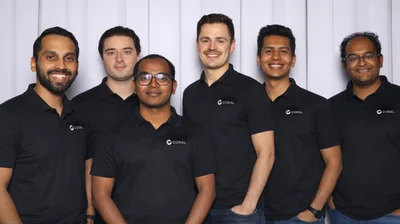
Coral, a New York startup, has raised $12.5 million to automate the tedious administrative tasks in healthcare using AI that reads handwritten faxes and processes prior authorizations in under five minutes. This innovation eliminates the need for providers to change their workflows, dramatically reducing wait times and boosting efficiency. With millions in revenue within a year and plans to quadruple growth by 2026, Coral is transforming how specialty healthcare providers handle paperwork. Next, the company aims to empower providers with AI tools to customize their own administrative processes.
-
Influencers Push Nicotine as Wellness Boost

A wave of influencers tied to the Make America Healthy Again Movement are marketing nicotine as a natural health hack, challenging decades of medical consensus. They claim nicotine offers cognitive and wellness benefits, despite warnings from health experts about its addictive risks. This trend raises alarms among medical professionals who fear misinformation could lead to increased nicotine use. Authorities are now debating how to counter this narrative while educating the public on the true dangers.
-
Edo Carnival Prize Delay Resolved

After weeks of backlash over delayed prize payments, the organisers of the Edo Carnival have finally paid winners of the maiden band competition in a ceremony held on April 18 in Benin City. This resolution ends a controversy that had sparked widespread criticism and doubts about the festival's credibility. Co-convener Daniel Eromosele clarified that the Edo State Government was only a supporting partner, not the organiser, and highlighted the event's cultural and economic significance. Looking ahead, organisers plan a bigger, better 2026 edition with improved coordination and funding.
-
Nektar's Rezpeg Boosts Hair Growth in Alopecia
Nektar Therapeutics announced promising results from extended use of its experimental drug, rezpeg, for severe alopecia areata. After one year, 27% of patients achieved significant hair regrowth, defined as 80% scalp coverage. Rezpeg's effectiveness rivals that of Eli Lilly's Olumiant but may offer a safer alternative. This breakthrough could reshape treatment options for alopecia sufferers, with further studies anticipated.
-
Burkina Faso's Mental Health Crisis Deepens

Burkina Faso faces a severe shortage of mental health professionals, with only 103 specialists serving over 20 million people. Cultural beliefs often attribute mental illness to supernatural causes, complicating treatment and awareness. Despite having 683 community mental health facilities, access and quality remain poor, with many relying on spiritual healers. Experts warn urgent investment and culturally sensitive education are needed to address this growing crisis.
-
Oscar Health Unveils New Insurance Hub

Oscar Health has launched a new consumer marketplace that links users to a broad range of individual health insurance plans, including supplemental coverage beyond its own offerings. This move aims to simplify the insurance shopping experience and expand consumer choice. Industry watchers see this as a potential game-changer in how health insurance is bought and sold. Next steps will focus on growing the platform's reach and integrating more insurers.
-
PBMs Slam Trump’s Drug Price Transparency Plan

Pharmacy benefit managers (PBMs) have strongly opposed the Trump administration's proposal requiring them to disclose detailed drug pricing information to employers. The Department of Labor's rule aims to increase transparency and allow easier audits, but PBMs argue the plan is illegal and threatens their business model. Over 500 public comments reveal a split: PBMs and insurers resist, while some business voices support more accountability. The debate highlights ongoing tensions in drug pricing reform as the administration pushes forward.
-
Pfizer Faces Monkey Research Backlash

Pfizer is under fire after allegations surfaced that it mishandled nearly 36 research monkeys, violating its own animal welfare standards. The controversy exposes a troubling gap in health assessment guidelines for monkeys before they enter medical studies, raising ethical and scientific integrity concerns. Animal rights groups are demanding accountability as the debate intensifies. The outcome could reshape protocols for primate research in the pharmaceutical industry.
-
Brushing Teeth Cuts Hospital Pneumonia

A major new study from Australia reveals that daily toothbrushing in hospitals can slash the risk of hospital-acquired pneumonia by 60%. Led by Brett Mitchell at Avondale University, the trial involved 8,870 patients and showed that providing toothbrushes, toothpaste, and education dramatically lowered pneumonia cases. This simple, low-cost intervention could save lives and reduce healthcare costs globally. Next steps include wider implementation and further research on patient groups.
Cybersecurity & Privacy 11
-
Europol Cracks Down on DDoS Youth

Europol has intensified efforts to dismantle DDoS-for-hire services by targeting young users across 21 countries in Operation PowerOFF. During a recent coordinated week, authorities took down 53 domains, issued 25 search warrants, and arrested four suspects linked to over 75,000 users. The campaign now shifts to prevention, showing targeted warnings to youth searching for DDoS tools and removing 100 related URLs from search engines. This move highlights the growing concern over cybercrime's appeal to younger generations and aims to curb future attacks.
-
China Warns EU on Cybersecurity Crackdown

China has issued a stern warning to the European Union, threatening reciprocal actions if the bloc enforces its proposed cybersecurity regulations targeting Chinese firms like Huawei and ZTE. The EU's draft law aims to mandate the removal of companies deemed security risks from 5G networks and potentially other critical sectors. This marks a significant escalation in tech tensions, with China signaling broad retaliation if labeled a cybersecurity threat. The coming months will reveal how Brussels balances security concerns with diplomatic fallout.
-
AI-Driven Hack Hits Vercel Cloud
Cloud platform Vercel suffered a sophisticated security breach linked to a compromised third-party AI tool, Context.ai, which allowed attackers to access some internal systems and customer credentials. The breach, suspected to be AI-accelerated, affected a limited number of users, prompting immediate credential rotation. With many crypto frontends hosted on Vercel, the incident raises concerns about supply chain vulnerabilities and the risks posed by AI-powered attacks. Vercel has enhanced protections and continues investigating, urging customers to monitor their environments closely.
-
Brussels Age-Check App Cracked Fast

Brussels' new age verification app was hacked in just two minutes, exposing serious security flaws. The app, intended to protect minors, failed to safeguard users' data, leading to privacy breaches including unauthorized photo manipulations. This incident raises urgent questions about the reliability of digital ID systems and the protection of personal information. Authorities must now urgently review and strengthen the app's security to restore public trust.
-
GitHub's Fake Star Market Unveiled

A peer-reviewed study from Carnegie Mellon University revealed a staggering 6 million fake stars across nearly 19,000 GitHub repositories, with AI and LLM projects being the largest non-malicious targets. These stars, sold openly for as little as $0.03 each, are used by venture capitalists as key signals for funding decisions, inflating project popularity artificially. Our independent analysis confirmed that some repositories have up to 76% fake stargazers, exposing a shadow economy thriving in plain sight. With regulatory penalties looming, the tech community faces urgent calls to clean up this deceptive ecosystem.
-
ZionSiphon Malware Hits Israeli Water Systems

Cybersecurity experts have uncovered ZionSiphon, a new malware targeting Israel's critical water treatment and desalination infrastructure. Designed to manipulate chlorine and pressure controls, it exploits OT protocols like Modbus and DNP3, posing a serious threat to national utilities. Although still in development, its focus on Israeli IP ranges and sabotage capabilities signal a politically motivated cyberattack. Authorities are now on high alert to prevent any operational disruptions.
-
Vercel Hack Sparks Crypto Key Overhaul

A security breach at Vercel, a key web infrastructure provider, has forced numerous crypto teams to urgently rotate API keys and audit their codebases. The hack exploited a third-party AI tool, compromising access to sensitive environment variables that connect crypto apps to blockchain services. This incident puts a spotlight on the vulnerabilities in frontend hosting for Web3 projects, with teams like Orca quickly responding to secure their deployments. Investigations continue as the community braces for potential fallout.
-
Prompt Injection: AI’s New Phishing Threat

A fresh wave of prompt injection attacks is forcing AI chatbots to reveal sensitive data by cleverly disguised commands, much like phishing tricks humans. This persistent security flaw highlights a fundamental vulnerability in AI systems, making it a critical challenge for developers and users alike. Experts warn this issue is unlikely to disappear soon, urging ongoing vigilance and innovation in AI defenses.
-
NSA Uses Anthropic’s Mythos Amid Pentagon Feud

The National Security Agency is reportedly using Anthropic's latest AI model, Mythos Preview, despite the Pentagon labeling the company a 'supply chain risk' and attempting to cut ties. This move highlights the NSA's prioritization of cutting-edge cybersecurity tools over Pentagon concerns. Anthropic CEO Dario Amodei recently met with White House officials to discuss Mythos' government use, signaling ongoing negotiations. The legal battle between Anthropic and the Department of Defense continues as both sides seek to resolve their dispute.
-
Apple Alert Phishing Scam Surges

A new phishing scam exploits legitimate Apple account change notifications to trick users into believing an $899 iPhone purchase was made on their account. The emails, sent from Apple's own servers, include a fake support number to call, where scammers attempt to steal personal and financial information. This tactic bypasses spam filters by embedding phishing messages in account name fields, making the alerts appear authentic. Users should be wary of unexpected purchase alerts and unsolicited support calls, as Apple has yet to respond to this ongoing threat.
-
NIST Halts Ratings for Low-Risk Flaws
NIST announced it will stop assigning severity scores to lower-priority vulnerabilities due to a 263% surge in submissions, overwhelming its capacity. Starting April 15, only flaws affecting critical software, federal systems, or listed in CISA’s KEV catalog will receive detailed analysis. While all vulnerabilities remain listed in the National Vulnerability Database (NVD), lower-risk issues will rely solely on ratings from their original evaluators. This shift aims to focus resources on the most impactful threats, though NIST will still accept requests to enrich low-priority entries.
Gaming & Esports 10
-
Windrose Pirates Past 1M Sales

Windrose, the pirate-themed survival game by Kraken Express, has impressively sold over 1 million copies in just six days since its Early Access launch. The game also hit a peak of 200,000 concurrent players, showcasing its rapid rise in popularity. Praised for its engaging pirate adventure and cooperative gameplay, Windrose is setting a new standard in the survival-crafting genre. The developers plan to continue refining the game during its Early Access phase, promising an exciting journey ahead for players.
-
Soulframe Unleashes Pirate Power Surge

Soulframe's latest update drops the swashbuckling Duelo pirate class, complete with rapiers, cutlasses, and flashy sailor gear. Players can dive into the haunted shipwreck quest 'Wreck Of Mestra Carmo' to unlock new dueling abilities and pirate outfits. Beyond piracy, the update adds a cliffside siege, alien skytower battles, and fresh weapons, plus revamped UI and combat improvements. This expansion broadens the game's world and playstyle, promising more dynamic adventures ahead.
-
Parkouring Fish Makes Waves in Barely Breathing

Barely Breathing offers a fresh twist on platformers by letting players control a parkouring fish navigating an apartment using water as a tool. The demo, praised by PC Gamer for its charming and challenging gameplay, sets the stage for a full release later this year. Players must cleverly use water puddles and avoid hazards like spinning fans to progress. This unique aquatic adventure promises to captivate fans of creative platforming soon.
-
Sekiro Meets Jet Set Radio Chaos

A new mod called Jet Set Sekiro transforms the punishing ninja action of Sekiro: Shadows Die Twice into a wild skateboarding and graffiti spree inspired by Jet Set Radio. Created by modder Ionian-MikiriyAKATotallyNotShinobi, it adds a fresh level where players can pull off mid-air tricks and tag graffiti spots, blending the dark Japanese fantasy world with vibrant street culture. This unexpected mashup has fans buzzing, especially with its custom soundtrack that nails the vibe. Next up, the mod community might push this concept even further or inspire official content.
-
CS2 Player Slugged, Gets 10-Year Ban

A player at a Counter-Strike 2 tournament in Germany was handed a staggering 10-year ban after punching an opponent live on-stage. The incident shocked fans and organizers alike, highlighting the need for stricter conduct enforcement in esports. The ban sets a precedent, signaling zero tolerance for violence in competitive gaming.
-
Resident Evil Pack Back on Switch 2

The Resident Evil Generation Pack for Nintendo Switch 2 has finally returned to Amazon after a long period of being out of stock. Priced at $89.99, this restock is a relief for fans eager to dive back into the iconic horror series. With demand high, gamers are advised to act fast before it sells out again.
-
Fishing Hooks Players in Dragonwilds

RuneScape: Dragonwilds is finally adding fishing on April 21, filling a crucial gap in the survival MMO experience. Players can expect classic rod and net fishing, plus magical methods to catch fish, enhancing gameplay variety. This update brings a level 99 cap and a unique fishing cape as a reward, promising hours of immersive activity. The addition marks a major milestone for fans eager to dive back into one of RuneScape's signature skills.
-
Dragon Ball Xenoverse 3 Revives Future Saga

After a decade-long wait, Dragon Ball Xenoverse 3 was officially announced at the Dragon Ball Games Battle Hour 2026 in Los Angeles. Developed by Dimps and published by Bandai Namco, the game is set in a futuristic timeline dubbed 'Age 1000,' featuring new characters and a redesigned Bulma, with creative input from the late Akira Toriyama. Scheduled for release in 2027 on PC, PS5, and Xbox Series X, it promises to continue the beloved RPG action and online gameplay of its predecessors.
-
Escape From Tarkov Patch 1.0.4.5 Drops

Battlestate Games has launched update 1.0.4.5 for Escape From Tarkov, introducing key improvements and balance tweaks to enhance gameplay. This patch addresses player feedback with refined mechanics and weapon adjustments, aiming to sharpen the competitive edge. Fans can expect a smoother experience as the developers continue to fine-tune the game.
-
Crimson Desert Quiz and Patch Preview

Crimson Desert challenges players with a quirky quiz testing knowledge of its bizarre systems, from stock markets to space. Meanwhile, developer Pearl Abyss is delaying the next big patch to thoroughly test and polish new features like difficulty settings and inventory tabs. This update promises major improvements, including replayable boss fights and enhanced scenery quality. Fans can expect the patch to drop next week, extending the game's rich, complex experience.
Dev & Open Source 10
-
Mastering ML Pipeline Patents Fast
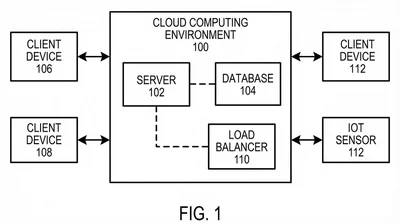
Software engineers often face hurdles when patenting machine learning pipelines due to strict USPTO flowchart requirements. The key is understanding that internal diagrams won't cut it; patent drawings must be black-and-white, formally structured, and precisely numbered to meet legal standards. Emerging AI tools like PatentFig AI now streamline this process by generating compliant flowcharts from plain English descriptions, drastically cutting revision times. This shift empowers engineers to protect innovations efficiently and adapt filings quickly, marking a new era in software patenting workflows.
-
Firefox 150 Unveils Smart Tabs and PDF Tools

Firefox 150 launches with powerful new features including an improved Split View that lets users open links directly side-by-side and reverse tab order. Multi-tab sharing now allows copying multiple URLs at once, streamlining workflows. The built-in PDF editor gains page reordering, copying, and exporting capabilities, enhancing document handling. Linux users benefit from a native emoji picker accessible via shortcut, while security tightens with mandatory local network access permissions. This update marks a significant step in browser versatility and privacy, with more developer tools and instant conversions in the address bar.
-
Creusot 0.11.0 Triumphs at VerifyThis

The Creusot team clinched the Best Overall Team award at the 2026 VerifyThis program verification competition with their latest release, Creusot 0.11.0. This Rust verification tool impressed judges by verifying programs exactly as specified, without simplifications, showcasing its robustness and precision. The release also introduces improvements like explicit binder naming in postconditions and better iterator handling for logic types. Following this success, the team is gearing up for more major features in the next update.
-
Firefox Adds WebUSB Support
Firefox has introduced a new WebUSB extension that enables direct communication between the browser and USB devices. This functionality requires both installing the browser extension and a native stub program on the user's computer, supporting macOS, Linux, and Windows platforms. The move enhances device interaction capabilities within Firefox, aligning it with modern web standards. Users can expect ongoing improvements as the extension matures and gains wider adoption.
-
tRPC Outshines Apollo Federation

tRPC has emerged as a powerful alternative to Apollo Federation by delivering end-to-end type safety without the overhead of schema definitions, slashing API bugs by 89%. Companies migrating to tRPC report dramatic performance improvements, including a 75% faster cold start and 80% smaller client bundles, which significantly enhance user experience. The streamlined development process eliminates complex schema synchronization and reduces CI/CD pipeline times by 40%. As adoption grows, tRPC is poised to reshape how scalable, type-safe APIs are built in production environments.
-
Casilda 1.2.4 Boosts Wayland Support
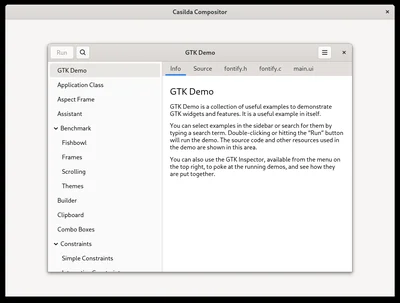
The Casilda Wayland compositor widget for Gtk 4 has been updated to version 1.2.4, introducing fractional scaling, keyboard layout forwarding, and improved popup positioning. These enhancements fix key issues like blurry rendering at fractional scales and cursor size mismatches, making Casilda feel like a full-fledged compositor. With fixes for texture leaks and better Vulkan driver support, this release marks a significant step forward. Developers can access the source on GNOME GitLab and join the community chat for support.
-
Google ADK for Java Hits 1.0 Milestone

Google has officially released version 1.0 of its Agent Development Kit (ADK) for Java, marking a major step forward in AI agent development. This release introduces a new app and plugin architecture, support for external tools like Google Maps and web content summarization, and advanced features such as human-in-the-loop workflows and event compaction to optimize context management. The ADK also supports cross-agent communication via the Agent2Agent protocol, enhancing collaboration across platforms. Developers can now build more robust, scalable AI agents in Java, with the toolkit available on GitHub for immediate use.
-
bpfvet Boosts eBPF Portability Checks
The new tool bpfvet analyzes compiled eBPF object files to determine their minimum kernel version requirements, helper dependencies, map usage, and portability issues. It supports multiple languages producing BPF ELF files and flags direct kernel struct accesses lacking CO-RE relocations, enhancing cross-kernel compatibility. With pre-built binaries for all platforms and JSON output for CI pipelines, bpfvet is set to streamline eBPF development and deployment. Developers can now ensure their eBPF programs run smoothly across diverse Linux kernels.
-
Frontend Complexity: Essential or Excess?

The debate over modern frontend complexity has intensified as developers question whether today's intricate toolchains and frameworks are truly necessary or just accidental baggage. Once simple static sites evolved through AJAX and SPA frameworks like React and Angular, creating a gulf between source code and browser runtime that demands complex build tools. This complexity challenges developers but also enables rich, interactive experiences users expect. The next step may be rethinking frontend architecture to simplify development while preserving functionality.
-
Proxy-Pointer RAG Hits 100% Accuracy Without Vectors

Proxy-Pointer RAG has achieved a groundbreaking 100% accuracy on 66 complex financial queries across four major 10-K filings, including AMD and Boeing, without relying on traditional vector databases. By leveraging document structure through hierarchical section headings and a novel two-stage retrieval process, it outperforms standard vector-based retrieval systems that often fragment context. This approach enables precise, scalable, and cost-effective document retrieval, promising a new era for enterprise AI applications. The full pipeline is now open-source, inviting further innovation and adoption.