AI & Machine Learning 10
-
Master AI on AWS: Beginner’s Guide
Amazon Web Services is shaping the future of AI infrastructure, but diving in without guidance leads to confusion and stalled projects. This beginner’s roadmap emphasizes starting with Python and cloud basics, progressing through AI fundamentals, and leveraging AWS’s low-code AI services like Rekognition and Polly. The ultimate goal is to build and deploy machine learning models using Amazon SageMaker, transforming users from AI consumers to creators. For anyone aiming to break into AI, this structured approach offers a clear path forward.
-
AI-900: Your AI Starter Kit

Microsoft's Azure AI Fundamentals (AI-900) certification is making AI accessible for beginners by breaking down complex concepts into digestible lessons. It clarifies the differences between AI, machine learning, and deep learning while introducing real-world Azure AI services without heavy coding demands. This approach lowers barriers for non-technical professionals eager to enter the AI field. As AI-900 also covers the full AI lifecycle and ethical principles, it prepares learners for responsible AI development. Next up, expect more tailored beginner pathways as AI continues to reshape industries.
-
OpenAI Unveils ChatGPT Images 2.0

OpenAI has launched ChatGPT Images 2.0, a groundbreaking AI image generation model that produces highly realistic visuals with advanced reasoning capabilities. This new model excels at rendering detailed text, supports multiple languages including Japanese and Hindi, and can generate up to eight consistent images from a single prompt. Available now to all ChatGPT users, it marks a significant leap in AI creativity and usability, setting a new standard for professional and creative applications. OpenAI plans to continue refining the model and expanding its enterprise reach through Codex Labs.
-
AI Finds 271 Firefox Flaws, Shifts Cybersecurity

Anthropic's Claude Mythos AI helped Mozilla uncover and patch 271 vulnerabilities in Firefox 150, marking a major breakthrough in cybersecurity defense. This AI model matches elite human researchers in finding bugs, signaling a shift where defenders may finally gain the upper hand against attackers. While Mythos hasn't revealed any new types of vulnerabilities beyond human reach, its efficiency promises faster, broader protection. The future will likely see AI tools becoming standard in securing software against cyber threats.
-
Unauthorized Access to Anthropic's Mythos AI

A private online group has gained unauthorized access to Anthropic's Mythos AI cybersecurity tool, designed to detect and exploit system vulnerabilities. Despite Anthropic's limited release under Project Glasswing to trusted vendors like Apple, this breach raises serious concerns about potential misuse. Regulators and financial institutions, including the Reserve Bank of Australia, are now closely monitoring the situation to prevent cyber threats. Anthropic is investigating the incident, emphasizing no evidence yet of system compromise.
-
Anthropic Tests Removing Claude Code from Pro Plan
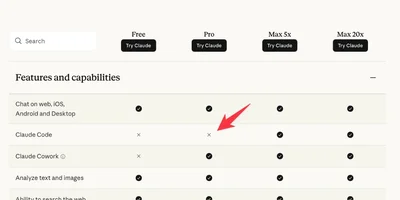
Anthropic briefly removed Claude Code from its $20/month Pro subscription, causing confusion and concern among users. The company clarified this was a limited test affecting about 2% of new signups, with existing Pro and Max subscribers unaffected. This move reflects Anthropic's efforts to manage rising usage and costs amid growing demand for Claude's AI coding tool. The company promises clearer communication and no sudden changes for current customers as it explores future subscription models.
-
Meta Tracks Employees to Train AI
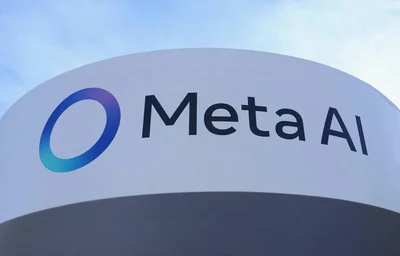
Meta is rolling out software to monitor U.S. employees' mouse movements, clicks, and keystrokes to gather data for training its AI models. The company claims this will help improve AI agents' ability to perform everyday computer tasks more naturally. However, the move has sparked internal concerns over privacy and data use, especially since screenshots will also be captured. Meta insists the data won't be used for employee evaluation and that safeguards are in place. The rollout highlights growing tensions around workplace surveillance in the AI era.
-
AI Hacking Tools: Risk or Reward?
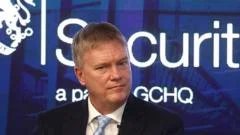
Top cyber officials are debating the impact of AI hacking tools like Mythos. While these tools rapidly expose cybersecurity flaws, some experts argue they could be a net positive by forcing improvements in defenses. The discussion highlights the urgent need to address fundamental security gaps as AI capabilities evolve. The next steps involve balancing innovation with stronger protections to mitigate risks.
-
Google Unveils Dual Deep Research Agents

Google has launched two new AI agents, Deep Research and Deep Research Max, that combine web and private data search via a single API call. Built on the Gemini 3.1 Pro model, these agents offer a breakthrough in autonomous research, enabling enterprises to integrate proprietary data with public information seamlessly. The addition of Model Context Protocol support allows secure access to private databases, while native chart generation transforms reports into ready-to-use insights. Available now in public preview, these tools aim to revolutionize research workflows in finance, life sciences, and market intelligence.
-
Frankenmerge AI Beats Giants

AI engineer Kyle Hessling has created a groundbreaking 18 billion parameter 'frankenmerge' by stacking layers from Claude Opus 4.6, GLM-5.1, and Qwen 3.5 models. This hybrid model outperforms Alibaba's massive 35 billion parameter AI while running efficiently on a modest GPU like the NVIDIA RTX 3060. Although it sometimes over-reasons, requiring a 'heal fine-tune' fix, this achievement highlights the power of open-source innovation and custom layer merging. The breakthrough suggests a future where smaller, specialized AI models can rival industry giants.
Tech & Gadgets 10
-
Motorola Razr 2026 Leak Unveils Key Upgrades

The Motorola Razr 2026 has leaked in full, revealing a familiar foldable design but with significant upgrades like the new MediaTek Dimensity 7450X chip and a larger 4,800mAh battery. The phone retains its 6.9-inch inner and 3.6-inch cover displays, promising smoother visuals with a 120Hz refresh rate. Launch is set for April 29, with availability expected by May 21, and a price tag around $799.99, marking a $100 increase from last year. These enhancements could make the Razr 2026 a stronger contender in the foldable phone market.
-
Apple's Siri Revamp Faces Leadership Uncertainty

Apple executive Mike Rockwell, known for creating the Vision Pro, is reportedly considering stepping back or leaving his role overseeing the Siri overhaul. This comes amid internal tensions, particularly regarding his reporting line to software chief Craig Federighi. Despite these challenges, Rockwell is unlikely to exit before completing the AI-powered Siri upgrade, a critical project for Apple's future AI strategy. The situation highlights broader leadership shifts as Apple navigates its post-iPhone innovation path under incoming CEO John Ternus.
-
Framework Launches Laptop 13 Pro and eGPU Kit

Framework unveiled its redesigned Laptop 13 Pro, featuring a CNC-aluminum chassis, Intel Core Ultra Series 3 processors, and a first-ever touchscreen display for its 13-inch line. The laptop targets Linux users, offering Ubuntu pre-installed and modular upgrades compatible with previous models. Alongside, Framework introduced an OCuLink Dev Kit enabling external GPU support for the Laptop 16, appealing to power users seeking desktop-class graphics. The Laptop 13 Pro ships in June starting at $1,199 DIY or $1,499 pre-built, marking a significant step in modular, repairable laptops.
-
ASUS Pad Leaks: Galaxy Tab S11 Rival Emerges

A fresh leak reveals the upcoming ASUS Pad boasting a 12.2-inch dual-layer OLED display with a blazing 144Hz refresh rate and a hefty 9,000mAh battery. The sleek design features slim bezels, a single rear camera, and an origami-style case that doubles as a stand, positioning it as a direct competitor to Samsung's Galaxy Tab S11. While chipset, RAM, pricing, and release date remain under wraps, this leak signals ASUS's intent to re-enter the Android tablet arena with a strong contender. Tech enthusiasts should keep an eye out for official announcements soon.
-
Cash App Launches Kids Accounts 6-12

Cash App, operated by Block, has introduced parent-managed accounts for children aged 6 to 12, aiming to teach financial literacy early. These accounts let parents control allowances, savings, and spending while kids receive custom debit cards but cannot access the full app. When kids turn 13, accounts can be upgraded to sponsored versions with more features like payments and investing. This move positions Cash App ahead in reaching younger users compared to competitors like Venmo and Apple Cash.
-
Apple Pulls Cal AI Over Billing Tricks

Apple removed the popular calorie tracker Cal AI from the App Store for violating multiple in-app purchase rules, including bypassing Apple's payment system and using deceptive billing designs. Despite recent court rulings allowing external payment links, Apple insists apps like Cal AI must still offer its in-app purchase option alongside alternatives. After fixing these issues, Cal AI returned to the App Store and quickly climbed to #4 in Health & Fitness charts, signaling Apple's ongoing strict control over app billing practices.
-
Amazon Sued Over Fire TV Stick Shutdown

Amazon faces a class-action lawsuit for ending software support on its first and second-generation Fire TV Sticks, effectively rendering the devices unusable. Plaintiffs argue that Amazon's failure to warn users and the resulting 'bricking' forced many to buy new hardware. This legal challenge highlights concerns over planned obsolescence and consumer rights, with the case now testing how tech companies handle legacy device support.
-
Samsung and IKEA Unite Smart Homes

Samsung SmartThings and IKEA have teamed up to simplify smart home setups by enabling 25 new IKEA Matter-over-Thread devices to connect directly to SmartThings hubs, cutting out the need for IKEA’s DIRIGERA hub. This breakthrough leverages Thread border routers already embedded in millions of Samsung TVs and appliances, making smart home tech more accessible and affordable, with bulbs starting at just $5.99. As the smart home market races toward 800 million Matter-compatible devices this year, this partnership marks a major step toward seamless, budget-friendly home automation.
-
Satechi Unveils 140W Desktop Charger

Satechi has launched the ChargeView 140W Desktop Charger, designed specifically for Apple users seeking powerful, space-saving charging solutions. Featuring four USB-C ports and a sleek black aluminum build, it supports fast charging for MacBooks, iPhones, and iPads with adaptive power management and a real-time digital display. Priced at $100, this gallium-nitride charger promises optimal performance and safety, marking a significant upgrade for Apple device owners. Available now via Satechi's website and Amazon, it sets a new standard for desktop charging.
-
Google Pixel 10 Pro XL Slashed $300

The Google Pixel 10 Pro XL is currently available at a steep discount of $300 off, dropping its price to $899 from the original $1,199. This flagship phone boasts a massive 6.8-inch OLED display, advanced AI features powered by the Tensor G5 chip, and a versatile triple-camera system ideal for photography enthusiasts. The deal highlights the Pixel 10 Pro XL's strong position in the competitive smartphone market, especially for users seeking top-tier AI integration and a premium large-screen experience. With seven years of updates promised, this discount could be a game-changer for buyers looking for longevity and cutting-edge tech.
War & Conflicts 10
-
Iran Fires on Container Ship in Hormuz

Iran’s Revolutionary Guard opened fire on a container ship in the Strait of Hormuz early Wednesday, damaging the vessel without causing injuries or environmental harm. The attack, confirmed by the UK Maritime Trade Operations, escalates tensions amid failed ceasefire talks in Pakistan. This incident follows recent U.S. seizures of Iranian vessels, signaling rising regional maritime conflict. Observers now watch closely for potential retaliatory moves or diplomatic fallout.
-
Pentagon Intel Contradicts Trump on Iran's Strength
US intelligence reveals that Iran still holds significant military power, including thousands of missiles and much of its air and naval forces, contradicting claims by President Donald Trump and Pentagon officials of Iran's weakening. This disparity highlights a rift between public statements and classified assessments amid ongoing tensions in the Middle East. With a ceasefire extended indefinitely, the US continues a naval blockade while diplomatic talks remain stalled, leaving the region on edge.
-
Heavy Russian Losses and Drone Strikes Escalate

Over the past day, Russian forces lost 1,140 troops and 38 artillery systems, pushing total losses since 2022 to more than 1.3 million personnel. Ukrainian forces continue to target Russian military assets, including a recent strike on a BM-21 Grad system in Zaporizhzhia. Meanwhile, Russian drone attacks damaged port facilities in the Odesa region, though no casualties were reported. The conflict shows no signs of abating as both sides sustain heavy blows and infrastructure damage.
-
Pentagon Reviews US Middle East Presence After Iran Strikes

The Pentagon is reassessing the US military footprint in the Middle East following a series of Iranian attacks during a 40-day conflict. Officials have yet to finalize damage assessments to US bases, including the Prince Sultan Air Base, which suffered significant hits. Despite the damage, repair funding is not included in the 2027 defense budget request. This review signals potential shifts in US regional strategy amid ongoing tensions with Iran.
-
Trump Extends Iran Ceasefire Amid Doubt

President Donald Trump has indefinitely extended the ceasefire with Iran, pending Tehran's submission of a unified proposal and the conclusion of bilateral talks. This move follows a request from Pakistani mediators as the initial two-week truce was set to expire. Despite the extension, uncertainty looms over the prospects for peace, while the U.S. naval blockade remains in place, maintaining pressure on Iran. The next steps hinge on diplomatic progress, which remains unclear.
-
Pakistan Brokers US-Iran Ceasefire Extension

Pakistan's Prime Minister Shehbaz Sharif successfully mediated an extension of the US-Iran ceasefire, with President Donald Trump agreeing to hold off military action to allow diplomatic talks to continue. This move comes amid deep fractures within Iran's leadership and ongoing tensions over the Strait of Hormuz blockade, which remains in place. Pakistan's role as an honest broker is pivotal as the second round of peace talks is scheduled in Islamabad, though Iran's participation remains uncertain. The extension buys critical time but is conditional, with Trump warning the ceasefire could end if Iran fails to unify behind a proposal soon.
-
Ukraine Restarts Druzhba Pipeline, Unlocks EU Aid
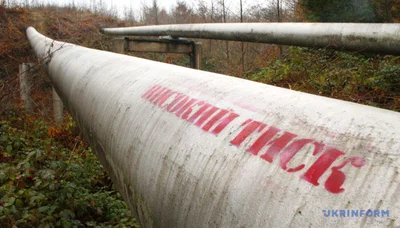
Ukraine has completed repairs on the Druzhba oil pipeline damaged by a Russian strike and is set to resume oil flows to Hungary and Slovakia on April 22. This move removes a major obstacle to unlocking a €90 billion EU financial aid package, long blocked by Hungary's Viktor Orbán. EU officials expect a positive decision on the loan within 24 hours, marking a significant step in European energy and financial cooperation amid ongoing regional tensions.
-
Global Powers Plot Hormuz Reopening

Military planners from over 30 countries gathered in London for a two-day summit to finalize plans for reopening the Strait of Hormuz, a vital shipping route. Led by Britain and France, the mission aims to ensure freedom of navigation following a sustainable ceasefire. This meeting follows a diplomatic push involving 50 nations and signals a coordinated international effort despite earlier U.S. reluctance. Officials hope to cement command structures and deployment strategies to secure the crucial waterway.
-
US Targets Iran’s Weapon Suppliers Again

The US Treasury Department has slapped new sanctions on 14 individuals and companies across Iran, Turkey, and the UAE for aiding Tehran's ballistic missile and drone programs. This crackdown includes the seizure of two Mahan Air Boeing aircraft linked to the IRGC's weapons transport. The move underscores Washington's commitment to choking off Iran's military supply chains amid stalled talks over the Strait of Hormuz. Expect further pressure as the US vows to continue disrupting Iran's weapons networks.
-
Hezbollah Rockets Strike Israeli Troops in Lebanon

Hezbollah has violated the ceasefire by firing rockets at IDF soldiers stationed in southern Lebanon near Rab al-Thalathine. The Israeli army responded swiftly, targeting the rocket launcher, and intercepted a drone launched from Lebanon before it crossed into Israeli territory. This escalation threatens to unravel the fragile truce, raising fears of renewed conflict along the volatile border.
Disasters & Emergencies 10
-
12 Injured in Karimnagar Bus-Lorry Crash

A collision between a Telangana State Road Transport Corporation bus and a lorry on the Kothirampur bypass in Karimnagar early Wednesday left 12 passengers injured. The lorry, turning right towards Peddapalli, struck the front of the bus heading to Hyderabad around 6 a.m. Emergency services responded promptly, and authorities are investigating the cause. The incident highlights ongoing road safety concerns in the region.
-
Deadly Fireworks Blast Rocks Kerala

A catastrophic explosion at a fireworks manufacturing unit in Mundathikode, Kerala, killed 13 people and injured 40 ahead of the Thrissur Pooram festival. The blast, which occurred around 3:30 pm on Tuesday, destroyed five sheds and caused severe burn injuries to many workers assembling fireworks for the event. Authorities have launched a magisterial inquiry, and the state government has released Rs 50 lakh for immediate relief. Prime Minister Narendra Modi expressed condolences and announced compensation for victims' families and the injured.
-
Maneri Faces Water Crisis Amid Power Cut

Residents of Maneri in KP have been without water for five days after the Tehsil Municipal Administration failed to pay Rs1.4 million in power dues, leading to disconnection by Peshawar Electric Supply Company. This negligence has left locals struggling for basic water needs, with alternative sources falling short. Despite repeated reminders and mounting distress, no resolution has been reached, prompting calls for urgent intervention by local authorities.
-
Drone Strike Collapses Syzran Building
A drone attack by Ukrainian forces caused the partial collapse of a residential building entrance in Syzran, Russia, injuring eleven people, including two children. Emergency crews are actively conducting search and rescue operations, with some victims still possibly trapped under debris. The incident highlights ongoing regional hostilities, as authorities brace for further attacks and continue securing the area.
-
Aparri Hits Danger-Level Heat Index

The state weather bureau PAGASA has issued a 'danger' level heat index warning for Aparri, Cagayan, with temperatures soaring to 42°C on April 22. This extreme heat poses serious health risks, urging residents to take precautions against heat-related illnesses. Most other parts of the Philippines remain under 'extreme caution' with heat indices up to 41°C. Authorities advise staying hydrated and avoiding prolonged sun exposure as the heat wave continues.
-
Fatal Crash Closes SH1 Near Invercargill

A deadly two-vehicle collision on State Highway 1 north of Invercargill claimed one life Wednesday morning near Kerr Road, Dacre. Emergency services responded promptly, but police confirmed the victim was found dead at the scene. The highway remains closed between Dacre and Woodlands, with detours in place. Authorities urge motorists to avoid the area as investigations continue.
-
Tokyo Ride Accident Claims Worker’s Life

A tragic accident at Tokyo Dome City Attractions has claimed the life of 24-year-old Kamimura Hina, a worker trapped inside the 'Flying Balloon' ride mechanism during routine maintenance. The incident occurred when the seats unexpectedly fell, trapping her against the central pillar. Rescue efforts lasted about five hours, but she was pronounced dead at the hospital. The park has suspended all operations and launched a full investigation to prevent future tragedies.
-
Fire Extinguished After Hlukhiv Attack

A large fire in Hlukhiv, Sumy region, was put out following a massive nighttime Russian assault that targeted residential areas, destroying homes and farm buildings. The State Emergency Service reported that despite ongoing shelling threats forcing rescue pauses, firefighters managed to control the blaze. Two people were injured in the attack, highlighting the ongoing danger to civilians. Authorities continue to monitor the situation as the community recovers from the damage.
-
Flooding Triggers Evacuations in Lower North Island

Heavy rains have caused localized flooding across New Zealand's lower North Island, prompting evacuations in areas like Carterton and Hastings District. Over 40 people were evacuated from Te Awanga Point, with river levels remaining dangerously high, keeping residents from returning home. Authorities, including Civil Defence and emergency services, continue to monitor the situation as some roads and bridges remain closed. While the worst of the rain has passed, officials warn hazards like slips and landslides persist, urging caution in affected communities.
-
Navotas Landfill Fire Expands Rapidly
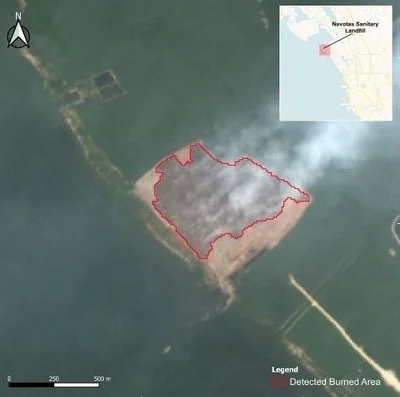
A massive fire at the Navotas landfill has scorched approximately 28.6 hectares, nearly half the size of Rizal Park, according to the Philippine Space Agency's satellite data. The blaze, which started on April 10, remains unextinguished but contained within the landfill perimeter since April 12. The fire has caused unhealthy air quality across seven Metro Manila cities, with some areas experiencing acutely unhealthy conditions. Authorities continue to monitor the situation closely as efforts to fully extinguish the fire proceed.
Science 10
-
Bees Master Numbers Up to Six

New research led by Monash University reveals that European honeybees can comprehend numbers up to six, grasp the concept of zero, and understand 'greater than' and 'less than' relationships. This challenges previous assumptions that bees rely solely on visual cues, highlighting their unique numerical cognition despite having tiny brains. The findings open new avenues for studying the evolution of intelligence across species and raise profound questions about the nature of cognition in humans versus insects.
-
Curiosity Uncovers Mars' Organic Secrets

NASA's Curiosity rover has discovered the most diverse set of organic molecules ever found on Mars, including seven never-before-seen compounds. These molecules, found in a 3.5-billion-year-old rock sample nicknamed Mary Anning 3, suggest that ancient Mars had the chemistry to support life. While it's unclear if these organics are biological or geological in origin, the findings boost hopes for past habitability and guide future missions searching for life.
-
Physicists Reverse Quantum Time Arrow

Physicists led by Luis Pedro García-Pintos at Los Alamos National Laboratory have demonstrated theoretically how the quantum arrow of time can be reversed, effectively making events flow backward at the quantum scale. Published in Physical Review X, this breakthrough could revolutionize quantum computing by preventing information loss and combating decoherence. While experimental challenges remain, especially in perfecting quantum measurements, this discovery opens the door to new quantum technologies and energy applications.
-
Neanderthal Toddlers Grew Faster Than Humans
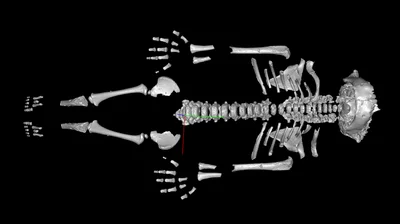
New research on the Neanderthal child skeleton Amud 7, found in Israel, reveals that Neanderthal toddlers grew faster than modern human infants, likely as an adaptation to harsh environments. While their teeth development matched a 6-month-old human, their bones resembled those of a 14-month-old, indicating accelerated early growth. This discovery sheds light on distinct evolutionary strategies between Neanderthals and Homo sapiens. Scientists now aim to study more Neanderthal infants to confirm if this rapid growth was widespread or ecological.
-
Trees Glow Electrically During Storms

Researchers from Penn State have, for the first time, captured trees emitting a faint electrical glow known as corona discharge during thunderstorms. This phenomenon, observed on sweetgum and loblolly pine trees in North Carolina, reveals tiny bursts of electricity at leaf tips that produce ultraviolet light and play a role in atmospheric chemistry by generating hydroxyl radicals. The discovery confirms decades-old theories and opens new avenues for understanding forest-atmosphere interactions and air quality. Scientists now aim to explore how these electrical events affect tree health and ecosystem dynamics.
-
New Matter State Found Inside Ice Giants

Scientists from Carnegie, including Cong Liu and Ronald Cohen, have discovered a bizarre new state of matter inside Uranus and Neptune. Their simulations reveal a quasi-one-dimensional superionic phase of carbon hydride under extreme pressures and temperatures, where hydrogen atoms spiral through a carbon lattice. This discovery could reshape our understanding of how these planets conduct heat and electricity, influencing their unique magnetic fields. Next steps include further modeling and experimental verification to explore implications for planetary science and materials engineering.
-
Einstein Sculpted in Crystal by Light

Scientists at XPANCEO, led by Nobel Laureate Prof. Konstantin Novoselov, have used simple continuous-wave light to permanently sculpt a microscopic portrait of Albert Einstein onto an arsenic trisulfide crystal. This breakthrough leverages the crystal's exceptional photorefractive properties, allowing nanoscale optical patterns with huge refractive index changes, surpassing traditional materials. The technique promises advances in photonics, enabling new optical devices like smart contact lenses and secure anti-counterfeiting measures. Researchers aim to refine this light-driven method for next-gen optical technologies.
-
Quantum Chaos Cracked in 2D Growth

Scientists at the University of Würzburg have finally confirmed that chaotic growth in two-dimensional quantum systems follows the Kardar–Parisi–Zhang (KPZ) equation, solving a 40-year-old physics puzzle. Using a gallium arsenide semiconductor cooled near absolute zero, they tracked polariton growth patterns that matched KPZ predictions. This breakthrough opens new doors for modeling complex, non-equilibrium processes in nature. Next, researchers aim to apply these insights to other quantum and material systems.
-
Curiosity Uncovers Mars' Organic Secrets
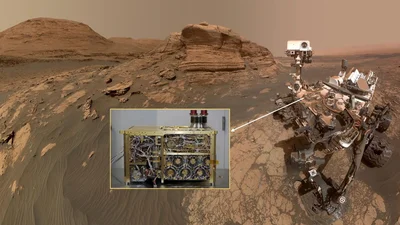
NASA's Curiosity rover has detected over 20 organic molecules in 3.5-billion-year-old clay-rich sandstones in Gale crater, marking a breakthrough in extraterrestrial chemistry. Using its Sample Analysis at Mars (SAM) instrument and a novel TMAH chemical experiment, scientists identified complex macromolecular carbon that could be linked to ancient life or geological processes. This discovery, led by Amy Williams, opens new avenues for future missions like ESA's Rosalind Franklin rover and NASA's Dragonfly to search for biosignatures on Mars and beyond.
-
Catalysts' Hidden Oxygen Flow Unveiled
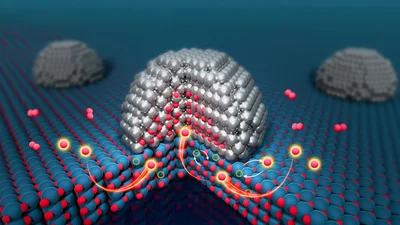
A breakthrough by Prof. Tao Zhang, Prof. Yanqiang Huang, and their team at the Dalian Institute of Chemical Physics has directly observed oxygen moving inside catalysts, not just on their surfaces. Using advanced electron microscopy, they tracked oxygen spillover within Ru/rutile-TiO2 catalysts, revealing a new pathway that could revolutionize catalyst design. This discovery opens the door to harnessing the catalyst bulk for chemical reactions, promising more efficient and controllable catalytic processes. Researchers now aim to develop practical catalysts exploiting this inner oxygen flow.
Space & Exploration 10
-
NASA's Roman Telescope Ready to Revolutionize Space Science
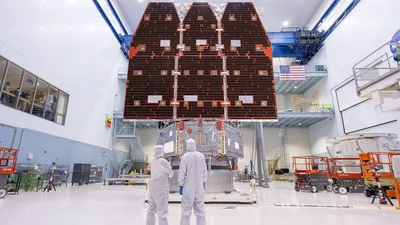
NASA has completed the assembly of the Nancy Grace Roman Space Telescope, a next-generation observatory designed to survey the cosmos with unprecedented speed and scope. With a mirror size comparable to Hubble but a field of view 100 times larger, Roman will capture vast panoramic images and process data over 1,000 times faster than Hubble. Scheduled for launch in September 2026, this telescope aims to unlock mysteries of dark matter, dark energy, and exoplanets, promising new discoveries that could reshape our understanding of the universe.
-
Jordan Joins Artemis Accords Space Pact

The Hashemite Kingdom of Jordan is set to become the 63rd nation to sign the Artemis Accords, a key international agreement promoting safe and transparent lunar exploration. The signing ceremony will take place on April 23 at NASA Headquarters in Washington, hosted by NASA Administrator Jared Isaacman. This move marks Jordan's entry into a growing coalition shaping the future of civil space exploration on the Moon, Mars, and beyond. The accord's expansion signals increasing global cooperation in space activities.
-
ISS Gets High-Powered Laptop Upgrade

The International Space Station's Expedition 74 crew is receiving a major tech boost with new HP ZBook G9 laptops, featuring Intel Core Ultra 9 processors and Nvidia RTX Pro GPUs. NASA highlights these machines are specially adapted for the ISS's unique power system, ensuring smooth operation in space. This upgrade marks the third generation of HP workstations aboard the station, enhancing astronauts' computing capabilities. However, with the ISS scheduled for de-orbit by 2030, this may be one of the last major tech refreshes.
-
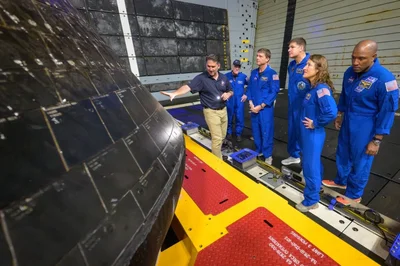
Artemis 2 Heat Shield Passes Test
NASA's Artemis 2 mission successfully demonstrated a major upgrade to the Orion spacecraft's heat shield during its April 10 Earth reentry. Unlike Artemis 1, which suffered abnormal charring, the heat shield on Artemis 2 showed significantly reduced damage, confirming the effectiveness of design and trajectory changes. NASA will continue detailed assessments, but this success clears the way for future crewed lunar missions with Orion.
-
NASA Backs 30+ Startups for Space Tech

NASA has selected over 30 companies to receive approximately $16.3 million in funding through its SBIR and STTR programs, aiming to boost innovative technologies for space exploration and Earth applications. This investment supports early-stage development in areas like in-space manufacturing, advanced propulsion, and AI health monitoring, crucial for missions to the Moon and Mars. The agency's new Broad Agency Announcement framework promises more opportunities ahead for small businesses and research institutions.
-
Voyager 1 Powers Down to Survive

NASA has switched off the Low-Energy Charged Particle instrument on Voyager 1 to conserve its dwindling power supply after nearly 50 years in space. This move comes ahead of a planned risky 'Big Bang' maneuver aimed at extending the spacecraft's life beyond the expected one-year limit. With only two science instruments left active, the mission team hopes to regain power and reactivate instruments to continue exploring interstellar space.
-
NASA and UNOS Team Up for Faster Organ Delivery

NASA Langley Research Center has partnered with the United Network for Organ Sharing (UNOS) to explore faster organ transport using advanced aviation technologies, including drones. This collaboration aims to reduce delays in organ delivery, potentially improving transplant outcomes by leveraging NASA's expertise in flight research and autonomous navigation. Initial tests will assess drone performance and organ viability after transport, with hopes to expand if successful. This initiative could revolutionize medical logistics and save countless lives.
-
NASA Shines at 30th Webby Awards

NASA has clinched two Webby Awards and five Webby People’s Voice Awards at the 30th Annual Webby Awards, highlighting its outstanding digital outreach. The agency's work spans podcasts, social media, and immersive apps, showcasing its commitment to science education and public engagement. With over 100 nominations since 1998, NASA continues to lead in digital innovation. Next up, NASA aims to expand its digital presence as the Internet evolves.
-
Hubble Unveils Crab Nebula's Fiery Dance

NASA's Hubble Space Telescope has released a stunning new image of the Crab Nebula, revealing intricate filaments racing outward at 3.4 million miles per hour. This fresh look, spanning 25 years of observations, offers unprecedented insight into the aftermath of a supernova explosion and the nebula's dynamic evolution. Scientists are now poised to deepen their understanding of supernova remnants and cosmic particle acceleration.
-
Lyrid Meteor Shower Captured from Space

NASA astronaut Jessica Meir snapped a stunning photo of the Lyrid meteor shower from the International Space Station on April 20, 2026. Unlike Earth-bound viewers, Meir witnessed meteors streaking through Earth's atmosphere from above, offering a rare perspective on this annual celestial event. The Lyrids, debris from comet C/1861 G1 Thatcher, light up the night sky with up to 20 meteors per hour. This unique vantage point highlights Earth's thin protective atmosphere and the awe-inspiring experience of space living. Astronomers and skywatchers alike look forward to more such cosmic glimpses from orbit.
Health & Medicine 10
-
UK Bans Smoking for Post-2008 Generation

The UK Parliament has passed the Tobacco and Vapes Bill, which bans anyone born on or after January 1, 2009, from ever purchasing cigarettes or tobacco products. This landmark public health law, soon to receive royal assent from King Charles III, aims to create a smoke-free generation and is the most significant anti-smoking measure in decades. Retailers face fines for violations, and vaping regulations will also tighten. The law will apply across England, Scotland, Wales, and Northern Ireland, marking a bold step in tobacco control.
-
JEE Suicide Highlights Exam Pressure Crisis

In Patna, Saurabh Kumar, a student preparing for the JEE exam, was found dead by suicide in his locked room, sparking renewed concerns over the intense mental health pressures faced by Indian students. Despite studying day and night, Saurabh left a note expressing despair over poor results, underscoring the crushing stress competitive exams impose. This tragedy has ignited calls for better mental health support and systemic changes in exam preparation culture across India.
-
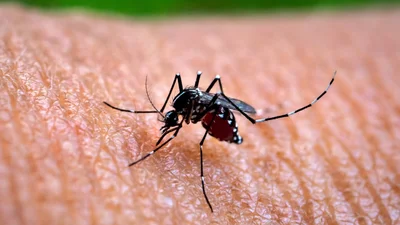
Hong Kong's First Local Dengue Case Sparks Outbreak Alarm
Hong Kong has reported its first local dengue fever case in over a year, raising concerns about a potential outbreak. The patient, a 21-year-old man with no travel history, was infected near a construction site in Penny’s Bay. Health officials warn that undiagnosed imported cases and the upcoming rainy season could fuel mosquito breeding, increasing transmission risks. Authorities emphasize that while the threat is real, it remains preventable and under control for now.
-
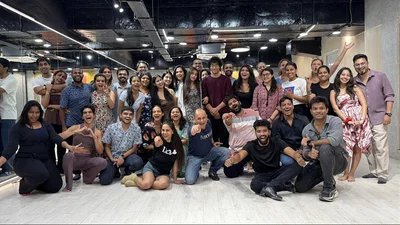
Hyderabad Dance Festival Fuses Past and Present
The ongoing nine-day Hyderabad Dance Festival (HDF) is spotlighting both classical Indian dance and contemporary urban styles, showcasing nearly 70 artists across nine venues. Organized by Vaibhavkumar Modi, Harsha Maheshwari, and Mohit Sridhar with Telangana government support, the event emphasizes innovation alongside tradition. The festival culminates on April 26 with Rang-e-Hyderabad, featuring 17 master classical dancers, promoting community well-being through cultural celebration.
-
Bird Flu Vaccine Trial Kicks Off

A phase III trial of an mRNA vaccine targeting the H5N1 bird flu strain has begun in the UK and US, involving 4,000 volunteers. This vaccine could enable a faster response to a potential bird flu pandemic, unlike traditional egg-based vaccines that are slower to produce. Funded by CEPI, the trial prioritizes older adults and poultry workers, aiming to measure immune response strength. If successful, this vaccine could be a crucial tool in preventing a future global flu pandemic.
-
Aspirin's New Role in Cancer Fight

Aspirin, a drug used for over 4,000 years primarily for pain relief, has been found to prevent certain tumors from forming and spreading. This breakthrough is prompting changes in health policies worldwide as researchers uncover aspirin's potential in cancer prevention. Experts are now exploring how to integrate aspirin into broader cancer control strategies.
-
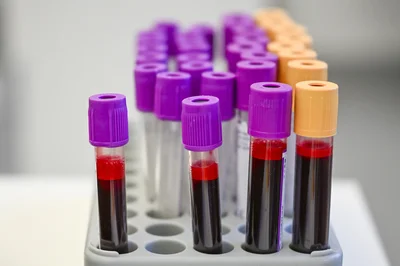
Blood Tests Poised to Revolutionize Cancer Screening
Multi-cancer blood tests are nearing a breakthrough, promising early detection of dozens of cancers from a single blood draw. Despite a recent setback when the largest trial of the Galleri test failed to reduce advanced cancer diagnoses significantly, experts remain hopeful as early-stage detections increased. The next crucial step is proving these tests save lives over time, with ongoing studies tracking patient outcomes for up to eight years. Meanwhile, researchers are optimistic that combining multiple tests or integrating AI could overcome current limitations and transform cancer screening.
-
US Military Drops Mandatory Flu Shots

The U.S. military, led by Defense Secretary Pete Hegseth, has ended the mandatory flu vaccination policy for service members, making the shot optional. This move follows similar changes to COVID-19 vaccine mandates and emphasizes personal choice and religious freedom. Health experts warn this decision could jeopardize troop readiness and increase illness during flu season. The Pentagon allows military branches to request continuation of the mandate within 15 days. The debate highlights tensions between individual rights and public health in the armed forces.
-
Singapore Breakthroughs in Women's Cancer

Singapore researchers have made significant strides in treating tough women's cancers like clear cell ovarian and triple negative breast cancer. The Lara trial showed a promising drug combo, pembrolizumab and lenvatinib, shrinking tumors in 40% of patients with resistant clear cell cancers. Another study revealed that datopotamab deruxtecan doubled progression-free survival in triple negative breast cancer patients. These advances could soon change treatment guidelines and offer new hope for patients worldwide.
-
Blood Test Spots Liver Scarring Early

A breakthrough blood test developed by Johns Hopkins researchers uses AI to detect early liver scarring before it progresses to cancer. By analyzing cell-free DNA patterns, the test identifies fibrosis with 50% accuracy in early stages and 78% in advanced cases, outperforming traditional methods. This innovation could revolutionize liver disease screening and prevention, with larger clinical trials planned to confirm its effectiveness.
Cybersecurity & Privacy 10
-
North Korea’s $300M Crypto Heist Exposed

A massive cryptocurrency theft of nearly $300 million targeted the KelpDAO vault this weekend, marking the largest crypto heist of 2026. Authorities and cybersecurity experts point to North Korea's notorious Lazarus Group as the likely culprit, continuing the regime's pattern of funding nuclear ambitions through cybercrime. The breach exploited two blockchain servers hosted by LayerZero, but officials assure no further contagion across other DeFi platforms. This incident raises fresh concerns about security in decentralized finance and the growing threat posed by state-backed hackers.
-
Massive Data Breach Hits France Titres

France Titres, the French government agency responsible for issuing official identity documents, confirmed a data breach last week after a hacker group claimed to have stolen up to 19 million records. The compromised data includes names, birth dates, email addresses, and postal information, potentially exposing citizens to phishing attacks. While unauthorized portal access is not possible with the leaked data, the agency urges vigilance against suspicious communications. Investigations continue, with authorities involved and notifications underway for affected individuals.
-
Vercel Breach Reveals OAuth Blind Spot

Vercel confirmed a serious security breach stemming from a compromised OAuth token linked to an AI tool vendor, Context.ai. Attackers exploited broad OAuth permissions granted by a Vercel employee, gaining access to internal systems and environment variables not marked as sensitive. This incident highlights a critical gap in OAuth oversight and environment variable classification that allowed attackers to escalate privileges undetected. Moving forward, Vercel has tightened defaults and is collaborating with partners like GitHub and Microsoft to prevent future attacks.
-
SystemBC Proxy Uncovers 1,570+ Ransomware Victims
Security researchers at Check Point have uncovered over 1,570 victims linked to the Gentlemen ransomware operation through the SystemBC proxy malware's command-and-control server. This discovery reveals the vast scale and sophistication of the group, which targets multiple platforms including Windows, Linux, and NAS systems. The Gentlemen gang uses advanced tactics like disabling defenses and leveraging Group Policy Objects for domain-wide attacks. As the ransomware ecosystem evolves rapidly, this finding underscores the urgent need for enhanced cybersecurity measures worldwide.
-
CISA Flags Critical SD-WAN Flaws Exploited

The U.S. Cybersecurity and Infrastructure Security Agency (CISA) has urgently ordered federal agencies to patch three critical vulnerabilities in Cisco's Catalyst SD-WAN Manager by April 24. These flaws, including CVE-2026-20133, have been actively exploited to access sensitive system information, posing serious risks to network security. Cisco patched these issues in February, but attacks continue, prompting CISA to add them to its Known Exploited Vulnerabilities Catalog. Agencies must follow CISA's emergency directives immediately to prevent further breaches.
-
ClickFix Malware Hits macOS Hard

A new ClickFix campaign is targeting macOS users with an AppleScript-based infostealer that snatches credentials, session cookies, and crypto wallet data from over 14 browsers and 16 wallet apps. The attack tricks victims into running malicious commands disguised as CAPTCHA fixes, primarily hitting finance sector workers in Asia. Apple’s latest macOS updates include protections against these attacks, but older systems remain vulnerable. Users should update immediately and stay vigilant against social engineering scams.
-
22 Flaws Threaten Industrial Serial Converters

Security researchers have uncovered 22 vulnerabilities in popular Lantronix and Silex serial-to-IP converters, exposing nearly 20,000 devices worldwide to potential takeover and data tampering. These flaws, dubbed BRIDGE:BREAK, enable attackers to hijack critical industrial communication links, risking disruption of legacy systems connected over IP networks. Both vendors have issued patches, but experts warn that network segmentation and strong credentials are essential to prevent exploitation. The discovery underscores growing cybersecurity risks in industrial control environments as legacy gear connects to modern networks.
-
Senior Scattered Spider Hacker Pleads Guilty

Tyler Robert Buchanan, a 24-year-old senior member of the notorious cybercrime group Scattered Spider, has pleaded guilty to wire fraud conspiracy and aggravated identity theft. His role in 2022 SMS phishing attacks led to breaches at major tech firms like Twilio and LastPass, resulting in over $8 million stolen in cryptocurrency. Buchanan, now in U.S. custody, faces up to 22 years in prison with sentencing set for August 2026. This plea marks a significant step in dismantling the group, with other members still awaiting trial.
-
Credential Theft: The Silent Cyber Threat

Despite the cybersecurity industry's focus on complex threats like zero-days and AI exploits, stolen credentials remain the easiest and most common way attackers breach systems. Identity-based attacks allow hackers to bypass defenses simply by using valid usernames and passwords, making detection difficult. With AI accelerating these attacks, incident response teams must adopt dynamic, iterative strategies like DAIR to keep pace. Training and communication are now critical to defending against these stealthy intrusions.
-
NGate Malware Hits Brazil's NFC Payments
A new NGate Android malware campaign is targeting Brazilian users by trojanizing the HandyPay NFC payment app to steal card data and PINs. The malicious app tricks victims into setting it as the default payment tool, then captures NFC card info and PINs to enable unauthorized ATM withdrawals and payments. This campaign, active since November 2025, exploits fake lottery websites and counterfeit Google Play pages to distribute the malware. Security experts warn this marks a rise in NFC fraud, urging users to avoid unofficial app sources and disable NFC when not in use.
Gaming & Esports 10
-
Australia Cracks Down on Gaming Safety

Australia's eSafety Commission has issued legally binding transparency notices to major gaming platforms including Roblox, Minecraft, Fortnite, and Steam, demanding detailed reports on their child safety measures. This move targets the prevention of grooming, sexual exploitation, and radicalization risks faced by young gamers, with non-compliance risking penalties and civil action. With nine in ten Australian children aged 8 to 17 playing online games, the government is intensifying efforts to protect minors in digital spaces. The platforms must now respond promptly as Australia leads global child safety regulation in gaming.
-
NetherSX2-Turnip Boosts PS2 on Handhelds
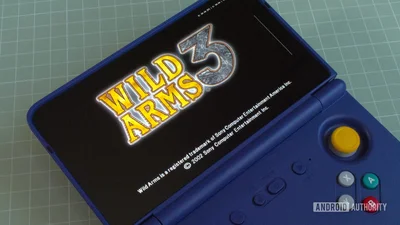
NetherSX2-Turnip, a new fork of the popular PS2 emulator, brings custom drivers optimized for Snapdragon chips, especially the Snapdragon 865 found in many handheld consoles like the Retroid Pocket Flip 2. This update promises smoother gameplay and better performance for retro gamers on the go. Users can install it alongside the standard NetherSX2 to pick the best driver for each game. With tweaks available for graphics and performance, this release could redefine portable PS2 emulation.
-
Zorin OS 18.1 Revives Lite Edition for Gamers

Zorin OS 18.1 has launched, bringing updated Ubuntu 24.04.4 components and a fresh kernel 6.17 to boost performance and hardware support. The standout news is the return of the Lite edition, featuring the lightweight Xfce 4.20 desktop, ideal for gamers and users with older hardware. While Zorin plans to phase out Lite in future releases, 18.1 offers a sleek, fast alternative to Windows with enhanced Windows app compatibility and polished desktop customizations.
-
Microsoft Cuts Game Pass Price, Drops CoD Day-One

Microsoft has slashed Xbox Game Pass Ultimate's price from $29.99 to $22.99 a month, but future Call of Duty games will no longer launch on the service day one. Instead, new CoD titles will arrive on Game Pass about a year after release, reversing the previous strategy. This move follows feedback that Game Pass had become too expensive, and aims to balance subscription value with direct game sales. Gamers have mixed reactions, appreciating the price cut but lamenting the loss of immediate CoD access.
-
Marathon Hits Sale Amid F2P Buzz

After just six weeks on the market, Marathon is now discounted by 20% on Xbox Series X/S, dropping to $32, while remaining $40 on other platforms. This move comes as Xbox sales lag far behind PlayStation and Steam, sparking heated debate among fans about whether Bungie should shift to a free-to-play model. With player counts declining and matchmaking queues growing, Bungie faces pressure to boost engagement before season 2. A free weekend or free-to-play mode trial could be next steps to revive interest without undermining the game's premium status.
-
Endless Legend 2 Revamps AI Diplomacy
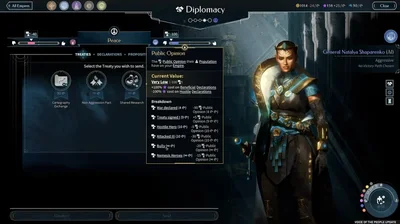
Endless Legend 2 has introduced a groundbreaking AI diplomacy system using badges that reflect players' actions, from 'Pleasant' to 'Bully.' This new mechanic gives the game world a memory, making diplomatic relations more dynamic and consequential. Aggressive behavior now triggers permanent penalties, while consistent friendliness offers lasting benefits, reshaping 4X diplomacy strategy. Developers at Amplitude plan to expand these tools further, promising richer interactions ahead.
-
Tico Simplifies GameCube, Wii on Switch

The latest release of Tico revolutionizes GameCube and Wii emulation on the Nintendo Switch by running games directly on the Switch's native Horizon OS via Custom Firmware, eliminating the need to reboot into Android or Linux. This alpha version uses a Dolphin core that boosts the Tegra X1 chip for smoother gameplay, offering a controller-friendly UI and automatic game library management. With Tico, Switch users can now enjoy classic titles more easily, marking a major step forward in handheld emulation. Future updates promise improved stability and broader game compatibility.
-
Arc Raiders Overhauls Skill Trees Soon

Embark Studios is set to revamp the entire skill tree system in Arc Raiders following player feedback and internal dissatisfaction with the current setup. Design director Virgil Watkins admitted many skills underperform and hinted at "significant changes" coming after the April 28 Expedition update. This overhaul aims to balance meaningful progression with fair PvP competition, addressing the game's current scattered approach to RPG elements. Fans can expect a more refined and impactful skill progression system in upcoming updates.
-
Helldivers 2 Unveils New Exosuit Warbond

Helldivers 2 is dropping its next big update, The Exo Experts warbond, on April 28. This update introduces two powerful exosuits—the EXO-51 Lumberer with an anti-tank cannon and flamethrower, and the EXO-55 Breakthrough featuring a flak cannon and ballistic shield—adding fresh tactical options. Alongside these mechs, new weapons like the MGX-42 Bullet Storm and P-33 Missile Pistol will spice up combat. Players can earn the premium currency through gameplay, ensuring no paywall blocks access to these exciting new tools.
-
Dead by Daylight Meets Attack on Titan

Dead by Daylight is launching a new crossover event with the hit anime Attack on Titan, bringing back fan-favorite 2v8 mode from April 28 to May 19. This chaotic mode doubles players on both teams, ramping up the action as survivors try to escape deadly killers. Returning cosmetics from the 2022 crossover and new legendary costumes, including a titan-themed Trapper, add fresh flair. Players can also enjoy new quests and the return of the Attack on Titan lobby, making this event a must-play for fans.
Dev & Open Source 10
-
82-Container Self-Hosting Slashes Cloud Costs
In 2026, a complete self-hosted infrastructure stack runs 82 containers on a single server with zero cloud bills, achieving 99.9% uptime and automated CI/CD. Key tools include Proxmox VE, Traefik, Cloudflare Tunnels, Prometheus, Grafana, and AI inference on an NVIDIA GTX 1650. This approach cuts $2,530 monthly cloud expenses to just $30 in electricity, proving a viable alternative for teams with Linux expertise and steady workloads. Next steps: start small, secure with zero-trust, and monitor thoroughly to scale confidently.
-
AI Revolutionizes ETL Pipeline Development

Despite advances in platforms like Databricks and Snowflake, ETL pipeline creation remains a slow, error-prone bottleneck in data engineering. The new Candor Data Platform introduces an AI-driven, prompt-based approach that generates production-ready pipeline code automatically, cutting down manual coding and cross-database complexity. This innovation promises to accelerate data workflows dramatically, allowing teams to focus on business logic rather than plumbing. As data volumes and system diversity grow, such AI-powered tools could redefine how pipelines are built and maintained.
-
Why Build a Local Terminal Workspace?
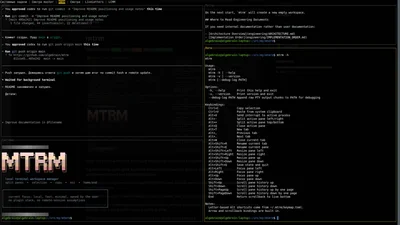
Developer algebrain created a local terminal workspace to mimic a desktop app experience, addressing frustrations with tmux's remote-focused design. Unlike tmux, which excels at managing remote sessions and persistent processes, this new tool prioritizes local workflows with features like tabbed layouts, session restoration, and native clipboard support. The motivation was to avoid complex configurations and plugins, favoring simplicity and predictability. This project highlights a shift toward tailored local tools, inviting others to share their terminal setups.
-
Subqueries vs CTEs: SQL Showdown

Subqueries and CTEs are essential SQL tools for data analysts, but they serve different purposes. Subqueries offer quick, simple filtering inside queries, ideal for straightforward tasks, while CTEs provide a clearer, step-by-step structure that improves readability and debugging for complex logic. As datasets grow and queries get complicated, switching to CTEs can make your SQL code more maintainable and efficient. Understanding when to use each method is key to mastering SQL in real-world data analysis.
-
Cache-Aside's Hidden Database Drain
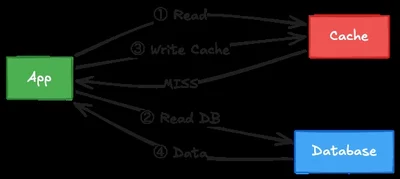
A subtle bug in the Cache-Aside pattern causes databases to be hammered with redundant queries when cached data is legitimately empty, returning None. This silent issue arises because None is used both to signal a cache miss and to represent an empty result, leading to repeated database hits and performance degradation. The fix involves using a Null Sentinel—a unique marker to distinguish between 'no cache entry' and 'cached empty result.' This pattern is crucial for robust caching and avoiding hidden load spikes in production systems.
-
Automate Monday.com Task Fixes with AI

Monday.com users often face the hassle of manually correcting AI-generated task descriptions that end up misplaced in updates rather than the description field. Developer insights reveal the root cause: a missing API tool for setting item descriptions, forcing agents to misuse the 'create_update' function. By building a custom skill that correctly sequences API calls, this workaround automates proper task creation, eliminating tedious manual fixes. The next step is a proposed upstream API change to simplify this process, promising smoother AI integration for all users.
-
Mastering Company Knowledge Bases
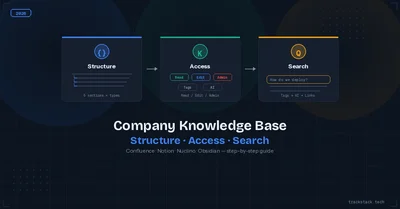
Building a company knowledge base often starts organized but quickly devolves into chaos. The key to maintaining order lies in three pillars: structuring content by organizational chart rather than projects, enforcing strict access controls, and implementing powerful search features including tagging and cross-linking. Regular quarterly audits ensure the system stays efficient and secure. Companies should choose platforms like Confluence or Notion based on team size and needs to keep knowledge accessible yet protected.
-
Building Interfaces That Fail Gracefully

When users interact with web apps, things often go wrong—slow connections, server errors, or blocked requests. Lee Mee highlights how designing for failure, not just success, is crucial. By locking UI states, handling asynchronous errors with robust fetch wrappers, and providing fallback options like direct email contacts, apps stay user-friendly even in chaos. This approach builds trust and prevents frustration, proving that true quality lies in graceful failure handling.
-
Kimi K2.6 Pushes Limits of AI Orchestration
Moonshot AI's new model, Kimi K2.6, is breaking ground by running AI agents continuously for days, handling complex tasks like system monitoring and incident response autonomously. This exposes critical flaws in existing enterprise orchestration frameworks, which were designed for short-lived agents and struggle with maintaining state over long periods. As AI capabilities outpace orchestration tools, companies face urgent challenges in governance and infrastructure adaptation. The future will demand new architectures and stronger oversight to safely harness these powerful long-running agents.
-
Master Git History: Undo with Confidence

Git users often face the challenge of undoing changes or rewriting history without losing work. The recent guide from Towards Data Science breaks down how Git records changes through the working directory, staging area, and repository commits. It highlights powerful commands like
git reset --soft HEAD~1to safely undo commits while preserving staged changes. This knowledge is crucial for developers collaborating on complex projects to maintain clean, accurate Git histories. Expect more tutorials and live talks to deepen understanding of Git's internal mechanics.