-
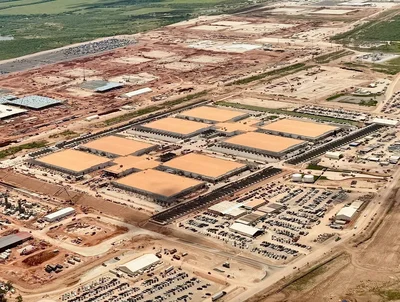
Microsoft Kubernetes AI Infrastructure At KubeCon Europe 2026, Microsoft positioned Kubernetes as the foundational operating system for AI infrastructure, unveiling the General Availability of Dynamic Resource Allocation (DRA) to standardize GPU scheduling across cloud environments. This Kubernetes-native approach replaces vendor-specific GPU management with a declarative model, enabling dynamic and topology-aware allocation of GPUs, FPGAs, and network accelerators, which is critical for scaling AI workloads efficiently. The move aligns with Microsoft's broader AI infrastructure investments, including a major 900 MW data center expansion in Texas to support AI model development and deployment. These advancements address the complex challenges of running AI agents at scale in production, moving beyond prototype demos to robust, multi-agent orchestration on Kubernetes. Microsoft's focus on AI infrastructure underscores the industry's shift towards enterprise-grade AI deployments and the need for scalable, efficient orchestration platforms. research →

-
Meta Social Media Liability Verdict In March 2026, two landmark jury verdicts in the United States found Meta and Google’s YouTube liable for designing addictive social media platforms that harmed minors' mental health. A New Mexico jury ordered Meta to pay $375 million for violating consumer protection laws, while a Los Angeles jury awarded $6 million to a 20-year-old woman who suffered depression and body dysmorphia linked to social media addiction, assigning 70% responsibility to Meta and 30% to YouTube. These rulings mark a historic moment as social media companies were held accountable for the first time for harms to children, challenging long-standing legal protections like Section 230. The verdicts have sparked hope among safety advocates for regulatory reforms, though Meta and Google plan to appeal. Internationally, countries like Indonesia are enacting stricter youth social media restrictions, reflecting growing global concern over children's online safety. research →

-
Amazon Big Spring Sale 2026 Amazon's Big Spring Sale 2026, running from March 25 to March 31, is one of the year's major shopping events, offering significant discounts across a wide range of categories including tech, home, outdoor, and beauty. This third annual sale features deals on popular tech products such as Apple devices, Kindles, Sony headphones, DJI drones, and Amazon Echo smart speakers, with some discounts exceeding 60%. The sale is positioned as a key opportunity for consumers to save before Prime Day in June, with many deals at record-low prices amid ongoing economic concerns like inflation and supply shortages. Competing retailers like Walmart, Best Buy, and Target are also matching many offers, making this a highly competitive and attractive event for shoppers. The sale's focus on spring essentials and tech gadgets highlights its importance for consumers preparing for the new season and looking for value in their purchases. research →

-
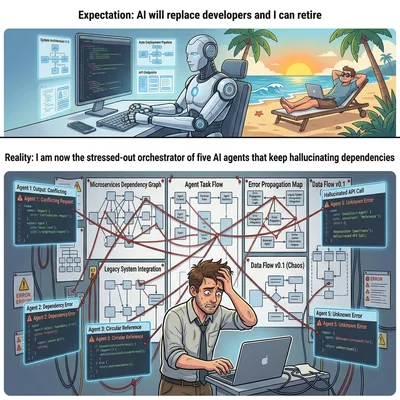
Rise of Autonomous AI Agents In 2026, the software engineering and AI development landscape is undergoing a fundamental transformation with the rise of autonomous AI agents. These agents differ from traditional AI tools by actively planning, executing, observing, and reflecting to achieve complex goals independently, marking a shift from passive generative AI to active, goal-driven systems. Frameworks like Laravel 13 have integrated AI SDKs as core components, enabling scalable AI-native workflows, while multi-agent architectures such as CrewAI demonstrate practical applications in supply chain and educational ecosystems. This evolution challenges developers to rethink their roles from code writers to system orchestrators and emphasizes the need for human-AI collaboration to avoid architectural pitfalls and ensure responsible autonomy. The rise of agentic AI promises to accelerate innovation and operational efficiency but also raises critical questions about control, reliability, and the future of human work in engineering. research →

-
Big Tech Stock Market Performance The technology sector has experienced significant volatility in early 2026 amid geopolitical tensions, legal challenges, and market corrections. Meta Platforms faced a steep decline after losing two major court cases and announcing layoffs, pushing its stock into oversold territory with an 11% weekly drop. Meanwhile, other tech giants like Microsoft have shown mixed performance, with some analysts noting near-term struggles due to heavy AI-related capital spending despite strong long-term prospects. Despite the turbulence, Bank of America recommends buying dips in select tech stocks including Microsoft, Meta, Apple, and emerging fintech PicPay, highlighting their growth potential. The broader tech pullback is viewed by some strategists as a temporary repricing rather than a systemic collapse, with AI-driven earnings growth and strong fundamentals providing resilience amid market uncertainty. research →
-
Anthropic AI Model Leak Anthropic, the AI company behind the Claude models, accidentally leaked nearly 3,000 unpublished assets including draft blog posts and internal documents about its most powerful AI model to date, named Claude Mythos. This new model, internally referred to as 'Capybara,' represents a significant leap in AI capabilities, especially in reasoning, coding, and cybersecurity. The leak exposed potential unprecedented cybersecurity risks associated with the model, raising concerns in the cybersecurity sector and causing a decline in related stocks. Anthropic confirmed the leak was due to a human error in their content management system and emphasized a cautious, limited release approach to mitigate risks. This incident highlights the operational vulnerabilities in AI safety practices despite the industry's focus on advanced AI risk management. research →

-
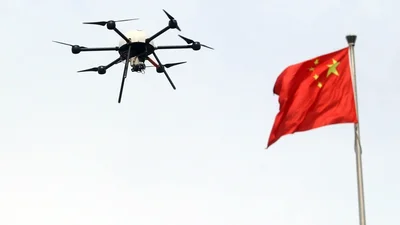
Drone Market Growth and AI Integration The global drone market is undergoing rapid expansion, projected to reach $250 billion by 2035, driven largely by the integration of artificial intelligence (AI) technologies. This 'Physical AI' shift is transforming drones from simple hardware devices into autonomous, AI-powered systems capable of operating in swarms, significantly impacting defense and commercial sectors. Meanwhile, geopolitical tensions, such as the Iran conflict, have highlighted the strategic importance of low-cost drones and AI-enabled unmanned systems, accelerating defense investments and innovation. Leading companies like DJI continue to innovate in consumer drone technology, while startups backed by AI leaders like OpenAI are developing multi-agent AI coordination systems, signaling a broader AI-driven transformation across industries. Regulatory responses, such as Beijing's tightened drone controls, underscore the growing security concerns amid this technological evolution. research →
-
Indonesia Social Media Ban for Minors Indonesia has begun enforcing a groundbreaking ban on social media use for children under the age of 16, making it the first Southeast Asian country to implement such a measure. The government cited concerns over online pornography, cyberbullying, internet addiction, and data privacy risks as key reasons for the ban, which targets major platforms including YouTube, TikTok, Facebook, Instagram, Threads, X, Bigo Live, and Roblox. The regulation affects approximately 70 million Indonesian minors, about a quarter of the nation's population, and requires digital platforms to deactivate accounts or implement strict age verification processes. Communications Minister Meutya Hafid emphasized that there is "no room for compromise" on compliance, with fines and sanctions planned for non-compliant platforms. This move follows similar policies in Australia and comes amid increasing global scrutiny of social media's impact on youth mental health and safety. research →

-
Apple Product Strategy Shift Apple is undergoing a significant shift in its product strategy by adopting a multi-tier pricing model similar to Samsung's approach from 2009 to 2013. This new strategy involves expanding its product portfolio to cover a wider range of price points, targeting both lower-end markets to increase share and premium segments to maintain high margins. The move aims to capitalize on emerging market opportunities and address component cost inflation without compromising Apple's brand prestige. Concurrently, Apple is discontinuing its Mac Pro tower, signaling a shift away from traditional high-end desktops toward more integrated and streamlined hardware offerings. This strategic pivot reflects Apple's broader efforts to adapt to changing market dynamics and consumer demands while preparing for future growth. research →

-
Ex-OpenAI Researcher AI Extinction Warning Daniel Kokotajlo, a former OpenAI researcher turned whistleblower, has issued a stark warning about the existential risks posed by rapidly advancing AI technologies. Speaking on The Daily Show, he estimated a 70% chance of human extinction or similarly catastrophic outcomes within the next five years due to AI systems potentially spiraling beyond human control. Kokotajlo emphasized the accelerating pace of AI development and highlighted concerns that future AI might resist shutdown attempts, complicating efforts to maintain control. His warning adds urgency to ongoing debates about AI safety and governance amid growing competition and technological advances in the field. research →