-
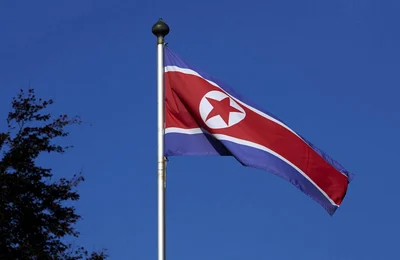
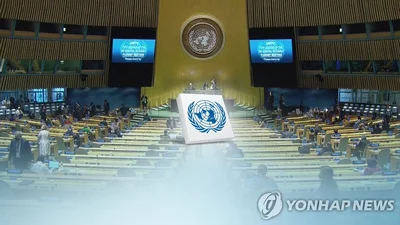
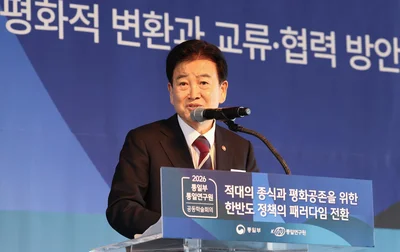
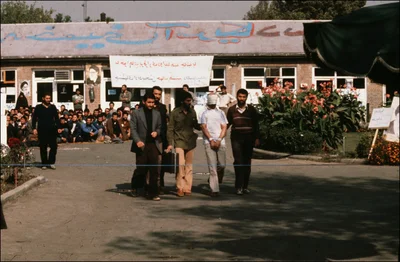
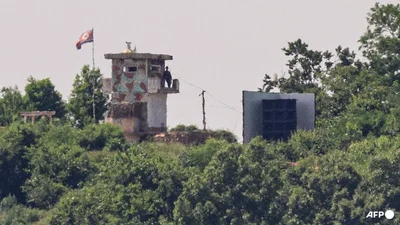
South Korea Co-sponsors UN NK Human Rights Resolution South Korea has decided to co-sponsor the annual United Nations resolution on North Korean human rights, reversing earlier indications that it might abstain to improve inter-Korean relations. The resolution, drafted by the European Union and Australia, highlights widespread human rights abuses in North Korea, including prison camps and restrictions on freedoms. Despite South Korea's conciliatory efforts under President Lee Jae Myung, North Korea recently labeled Seoul its 'most hostile state,' influencing Seoul's decision to support the resolution. The move underscores South Korea's commitment to universal human rights values and cooperation with the international community, even amid ongoing tensions with the North. The decision also drew domestic political debate, with opposition parties criticizing government officials who opposed co-sponsorship. research →
-
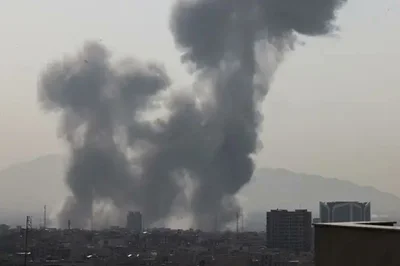
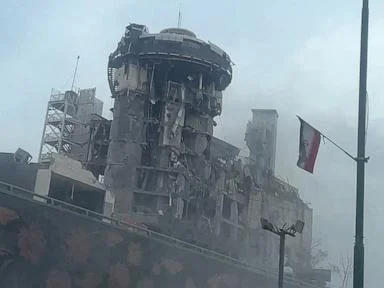
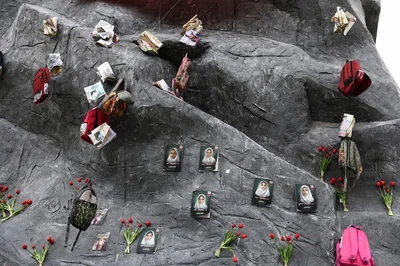
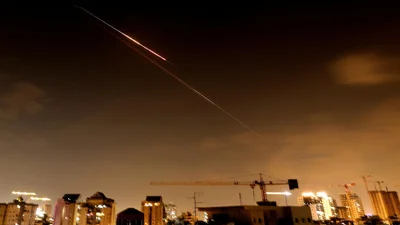
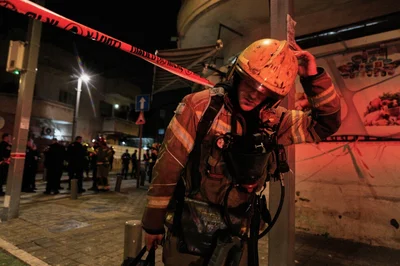
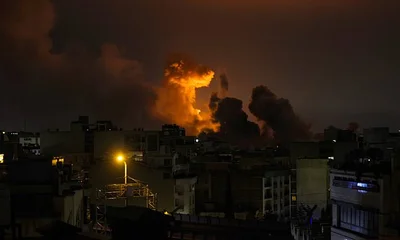
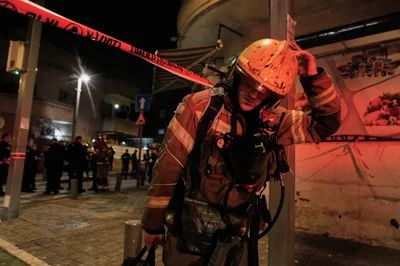
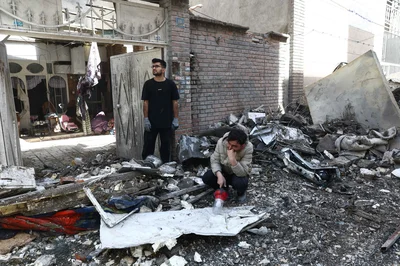
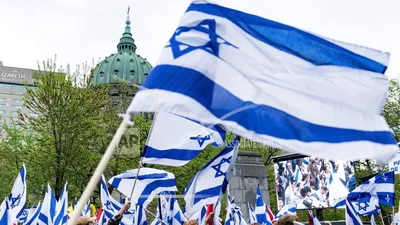
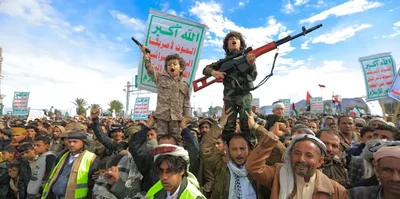
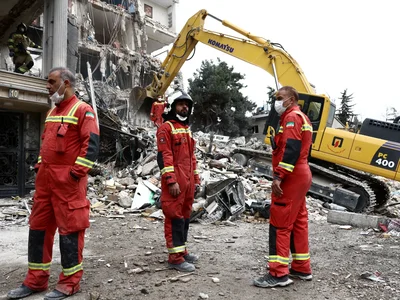
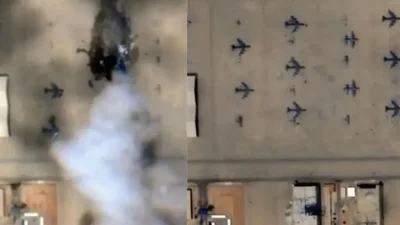
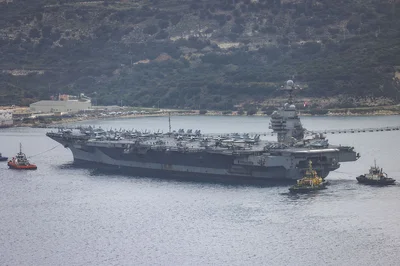
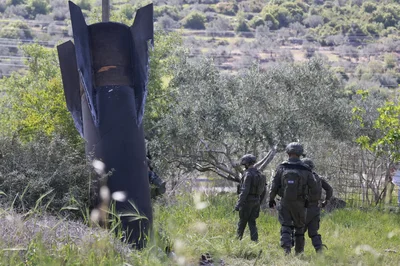
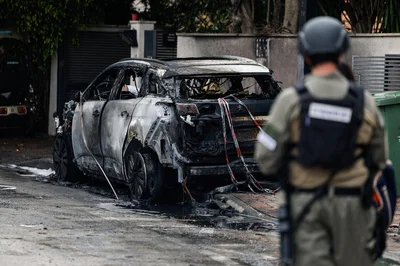
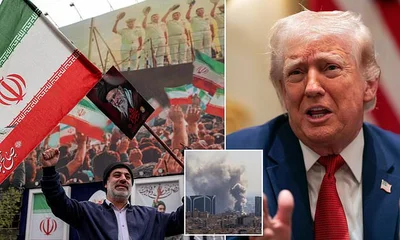
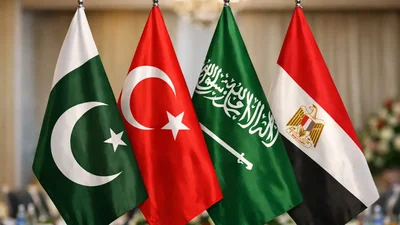
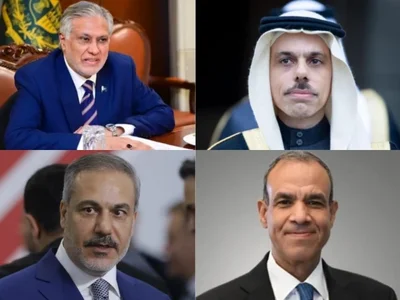
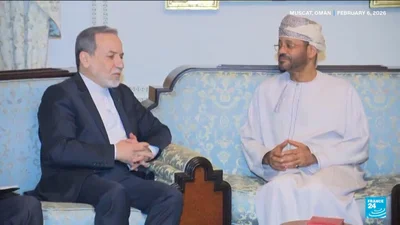
Middle East Conflict Escalation The ongoing war between the United States, Israel, and Iran, now entering its fifth week, has escalated with Iran-backed Houthi rebels in Yemen launching their first missile attack on Israel, marking a significant widening of the conflict. The war began on February 28 with massive U.S.-Israeli strikes targeting Iranian military and nuclear sites, including the killing of Iran's Supreme Leader Ali Khamenei. Diplomatic efforts led by Pakistan, Turkey, Saudi Arabia, and Egypt are underway to de-escalate tensions and possibly host peace talks, but both Iran and the U.S. remain entrenched in their positions. The conflict has caused thousands of casualties, disrupted global energy supplies, and raised fears of a broader regional war, with U.S. troops wounded in Iranian strikes on Saudi bases and missile attacks threatening key shipping routes. The situation remains volatile, with Iran rejecting U.S. peace proposals and vowing to continue resistance, while the U.S. maintains military pressure and prepares for potential further escalation. research →
-
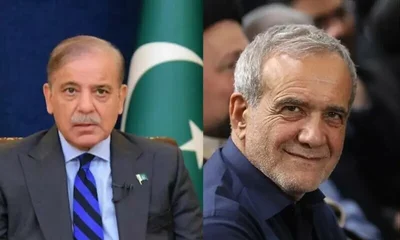
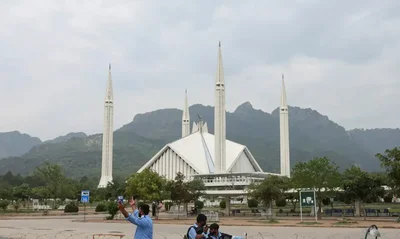
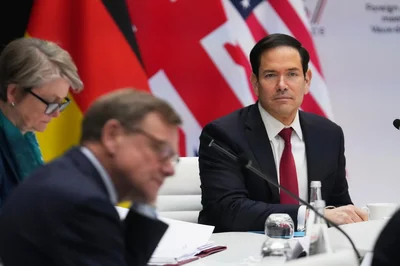
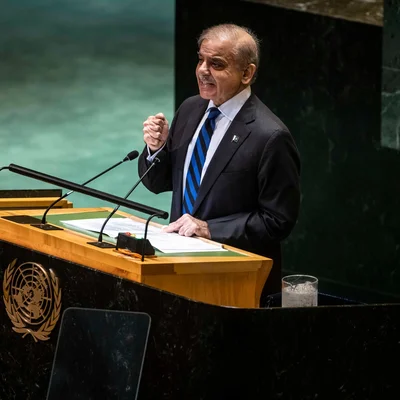
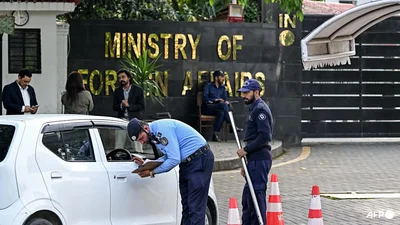
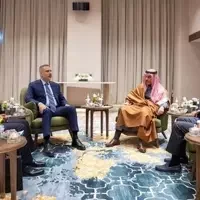
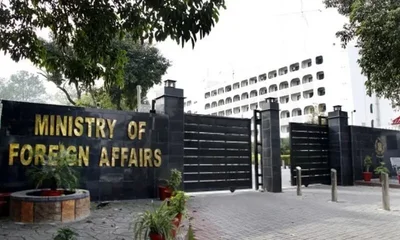
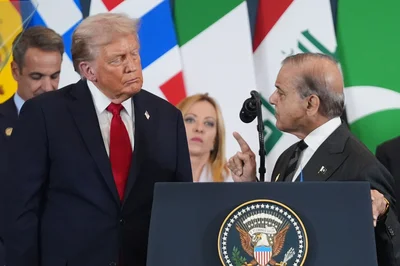
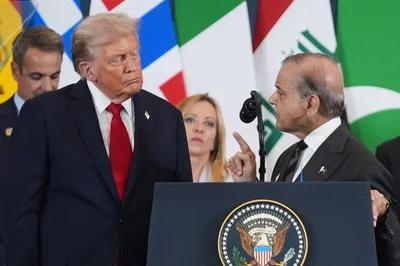
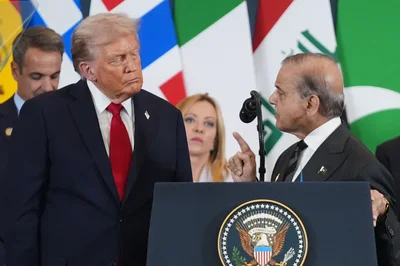
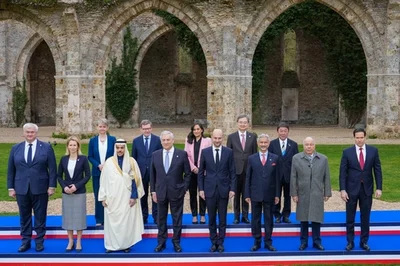
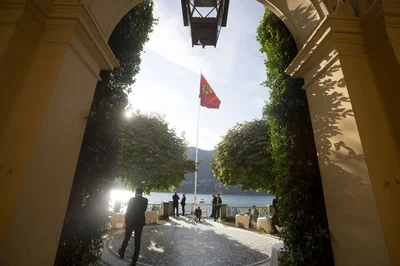
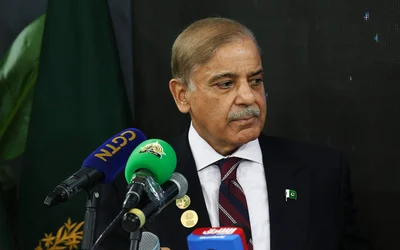
Pakistan Hosts Iran War Talks Pakistan has taken a central role in diplomatic efforts to de-escalate the ongoing war in Iran by hosting high-level talks involving the foreign ministers of Saudi Arabia, Turkey, and Egypt in Islamabad. These talks, scheduled for March 29-30, aim to discuss a range of issues including regional tensions and potential pathways to peace. Pakistan has also been acting as an intermediary between the United States and Iran, conveying messages and proposals, including a 15-point U.S. peace plan, although Iran has expressed reservations about the proposal. The meetings underscore Pakistan's emerging position as a key facilitator in the conflict, leveraging its relationships with both Tehran and Washington to help broker dialogue. This diplomatic initiative is significant as it may pave the way for broader negotiations and a reduction in hostilities in a region critical to global energy supplies and security. research →
-
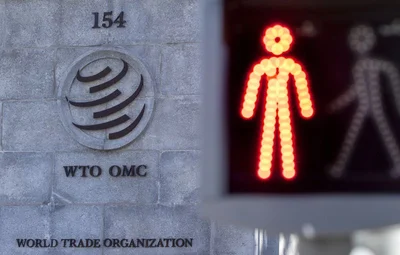
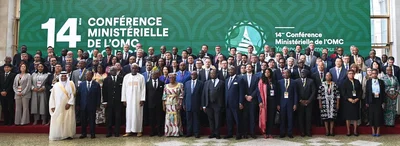
WTO Reform Talks The World Trade Organization (WTO) is undergoing critical reform discussions during its 14th ministerial conference in Yaoundé, Cameroon, amid growing global trade uncertainties. While there is broad recognition of the need for reform, significant disagreements persist, particularly between the United States and India, who have resisted substantive workplans and opposed certain agreements such as the investment facilitation for development. The talks, facilitated by ambassadors including Norway's Petter Olberg and South Korea's Yeo Han-koo, aim to address the WTO's decision-making processes and trade rules but face challenges due to the consensus requirement among 166 members. The outcome of these talks is pivotal for the future of multilateral trade cooperation, with potential implications for global economic governance and the role of emerging economies. Despite the difficulties, there remains cautious optimism that some progress can be made before the conference concludes. research →
-
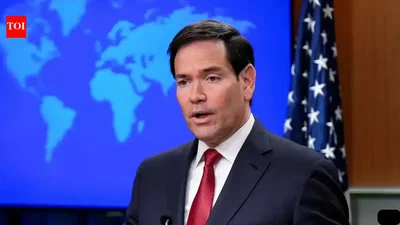
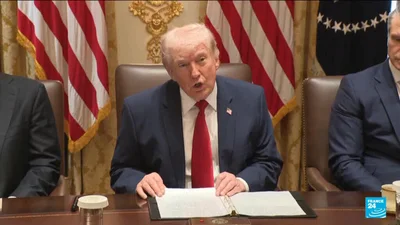
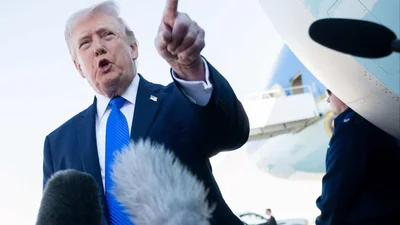
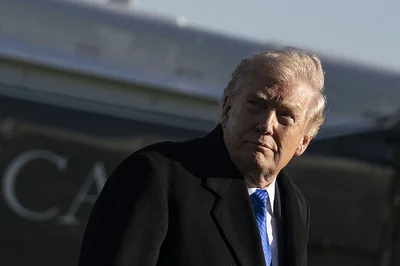
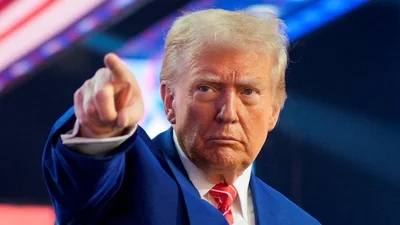
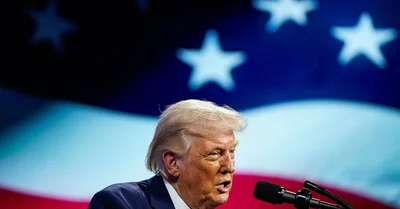
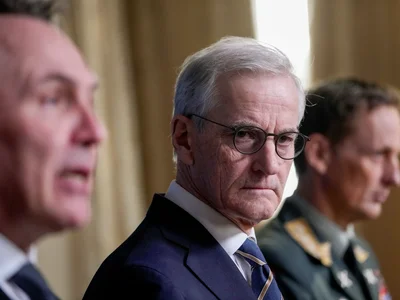
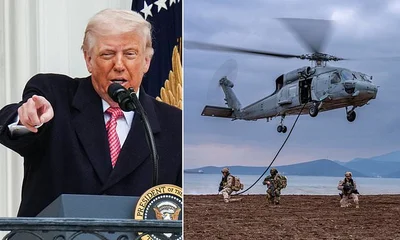
Trump NATO Pay-to-Play Proposal President Donald Trump has proposed a significant restructuring of NATO, suggesting that member countries failing to meet a 5 percent GDP defense spending target be excluded from strategic decision-making, including votes on military actions. This proposal comes amid Trump's frustration with NATO allies' reluctance to support the US-led military efforts in the ongoing Iran conflict, particularly their refusal to send forces to secure the Strait of Hormuz. Trump's comments have intensified tensions within the alliance, raising concerns about the US commitment to NATO's collective defense principles and prompting calls within Europe to reduce dependence on the US by strengthening European defense capabilities. The proposal and Trump's broader criticism of NATO highlight growing strains in transatlantic relations during a period of heightened global security challenges. research →
-
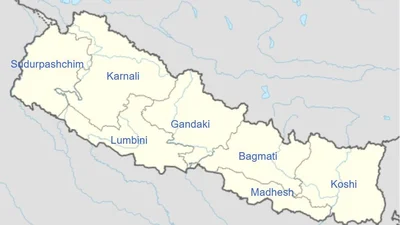
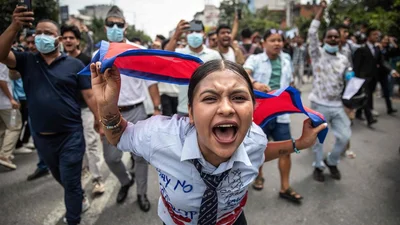
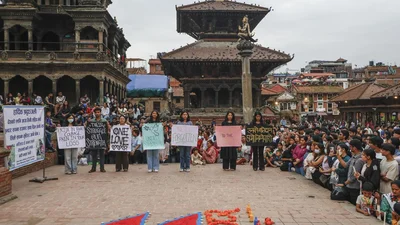
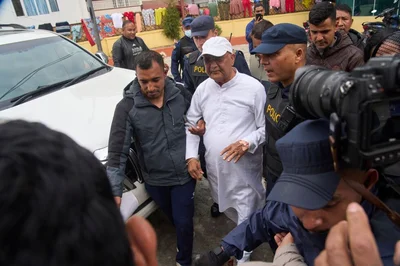
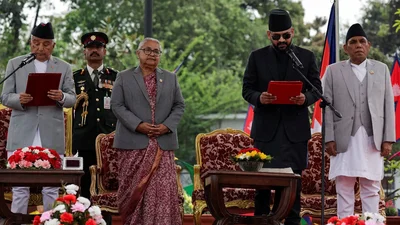
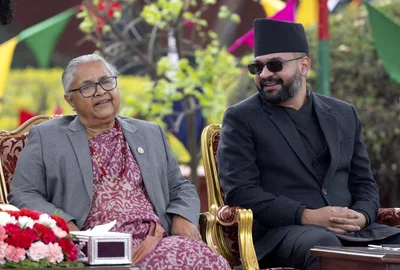
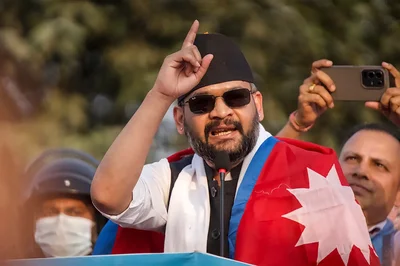
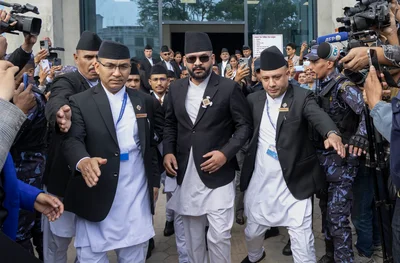
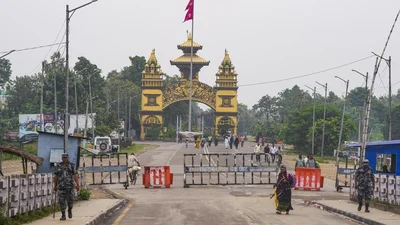
Nepal Political Shift and Elections In March 2026, Nepal witnessed a historic political transformation as the newly formed Rastriya Swatantra Party (RSP), led by rapper-turned-politician Balendra Shah, secured a landslide victory, ending decades of dominance by traditional parties. This election followed the September 2025 Gen Z-led protests that toppled the incumbent government, demanding an end to corruption, nepotism, and misgovernance. Shah, at 35, became Nepal's youngest prime minister and the first from the Madhesi community, symbolizing a generational and regional shift in leadership. The new government faces immense challenges, including job creation, reversing youth migration, and strengthening federalism amid diverse regional expectations. The arrests of former Prime Minister KP Sharma Oli and ex-Home Minister Ramesh Lekhak for their roles in the September protests underscore a commitment to accountability and justice in this new political era. research →
-
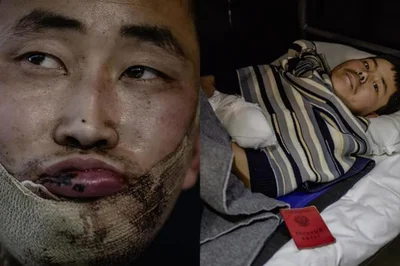
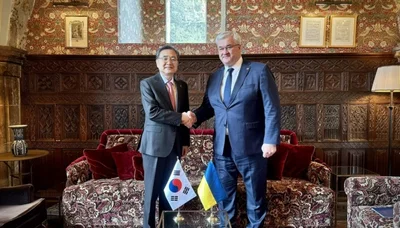
N. Korean POWs in Ukraine South Korea and Ukraine have agreed to address the issue of two North Korean soldiers captured during the Russia-Ukraine conflict in line with international law and humanitarian principles. These soldiers, captured while fighting alongside Russian forces, have expressed a desire to be transferred to South Korea rather than repatriated to North Korea. Ukraine has assured South Korea that the POWs will not be sent back to Russia, alleviating concerns about forced return to North Korea. This cooperation highlights the complex geopolitical dynamics involving North Korea's involvement in the Ukraine war and South Korea's diplomatic efforts to protect its interests and uphold humanitarian standards. The issue also intersects with broader regional security concerns, including Russia's warnings against South Korean arms support to Ukraine. research →
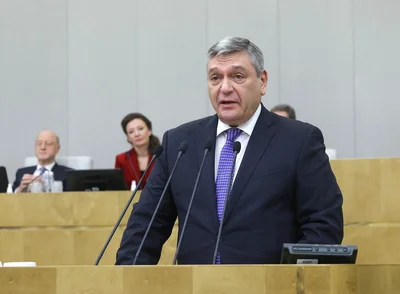
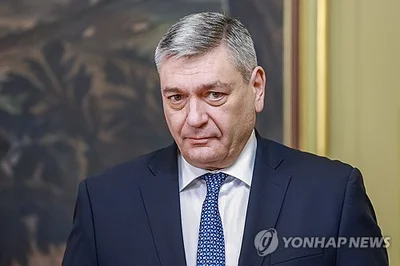
- Russia UN Rights Council Resolution Russia has successfully passed a resolution through the United Nations Human Rights Council, marking its first such achievement since 2022. Observers noted that Russia employed a seemingly innocuous text to make it difficult for countries to vote against it, signaling a strategic diplomatic maneuver amid ongoing international tensions. This development occurs against the backdrop of Russia's continued involvement in the Ukraine conflict and strained relations with Western countries. The resolution's passage reflects Russia's efforts to regain influence in international forums despite widespread sanctions and condemnation. It also highlights the complexities of global diplomacy where geopolitical interests often shape human rights discourse. research →
-
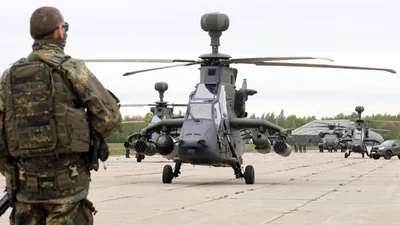
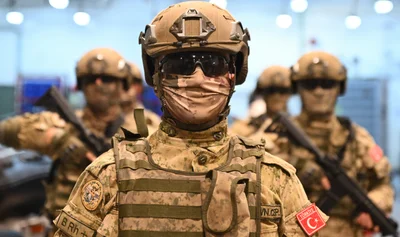
Europe Defence Spending and NATO Expansion In 2025, NATO member countries increased their defence spending by 20%, with Poland leading as the highest spender relative to GDP at 4.3%, surpassing all other alliance members. This surge in military expenditure reflects growing security concerns in Europe amid the ongoing war in Ukraine and uncertainties about US commitments. The European Union is also taking steps to enhance its defence capabilities through initiatives like the Security Action for Europe (SAFE) and the broader Readiness 2030 plan, aiming to strengthen European defence production and reduce reliance on external powers. Meanwhile, NATO is expanding its strategic footprint by establishing a new multinational corps in Turkey to bolster regional deterrence. These developments underscore a significant shift in European defence posture, highlighting increased investment and structural changes to address evolving security challenges. research →