-
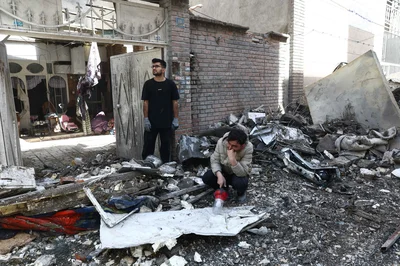
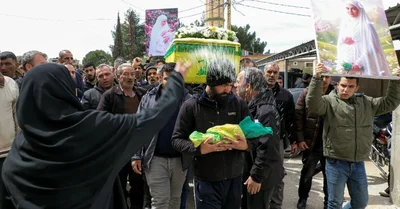
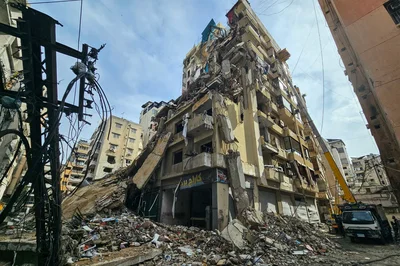
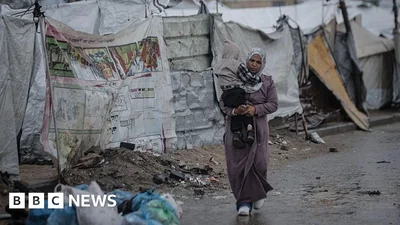
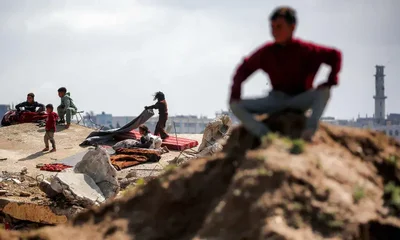
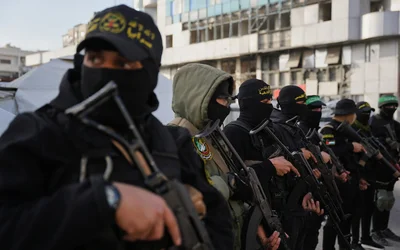
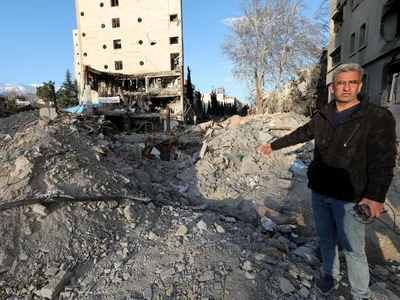
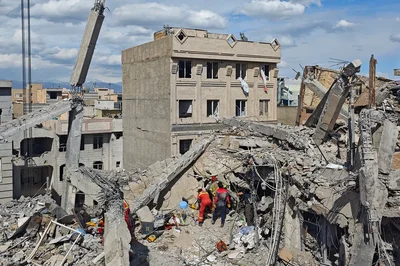
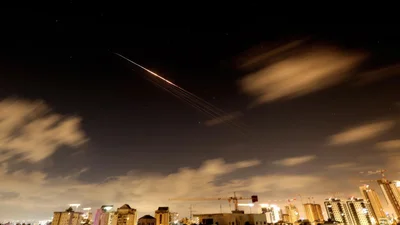
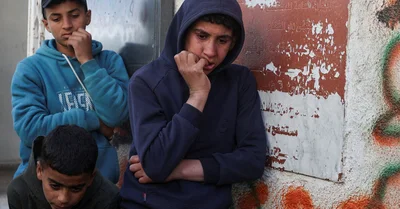
Gaza Disarmament and Iran Conflict A U.S.-backed peace initiative proposes an eight-month phased disarmament of Hamas in Gaza, including the destruction of its tunnel network, aiming to verify Gaza is free of weaponry before Israeli forces withdraw. Hamas has yet to publicly accept the plan and remains critical of conditions linking reconstruction to disarmament. Meanwhile, the broader Middle East conflict intensifies as Israel conducts airstrikes in Gaza and Lebanon, with over a million displaced in southern Lebanon amid fears of a Gaza-like occupation. Iran and its allies, including Yemen's Houthis, have escalated their military responses, targeting Israeli and Gulf interests, while diplomatic efforts continue with Pakistan mediating talks involving regional powers. The situation underscores the fragile peace in Gaza and the expanding regional war involving Iran, Israel, and their proxies, with significant humanitarian and geopolitical implications. research →
-
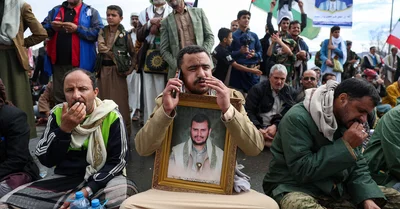
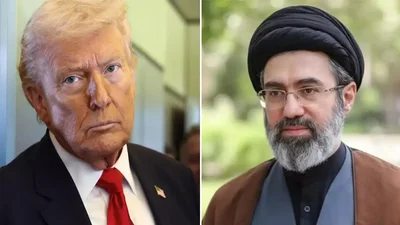
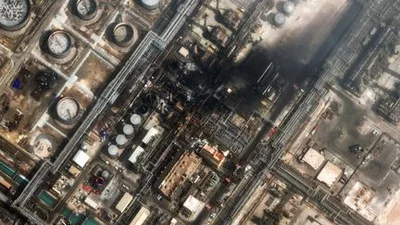
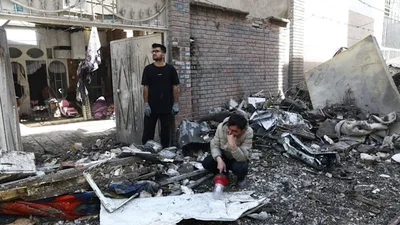
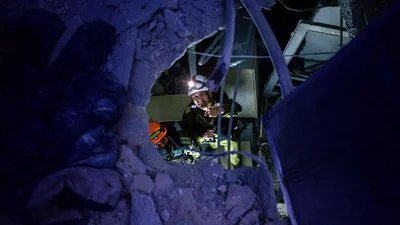
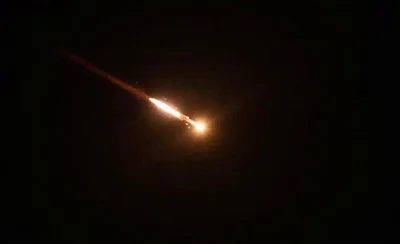
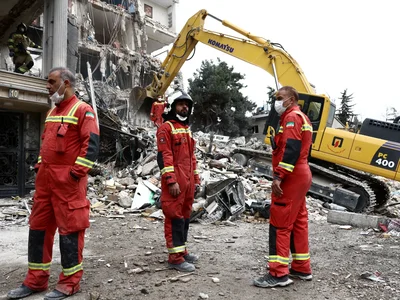
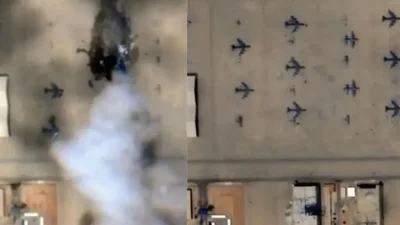
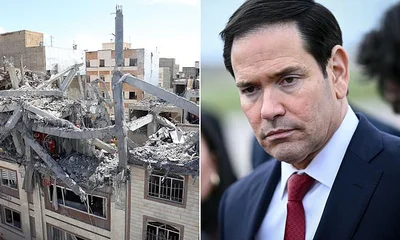
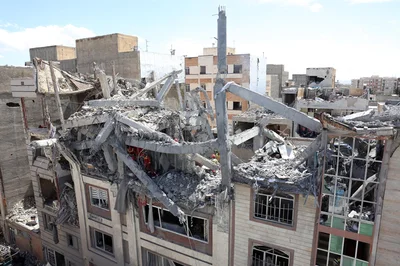
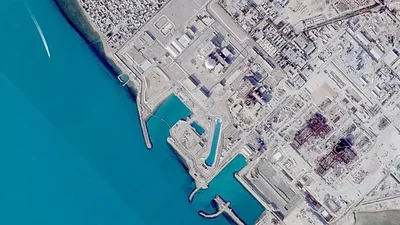
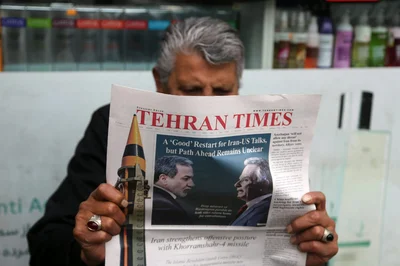
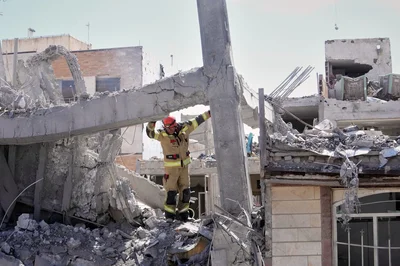
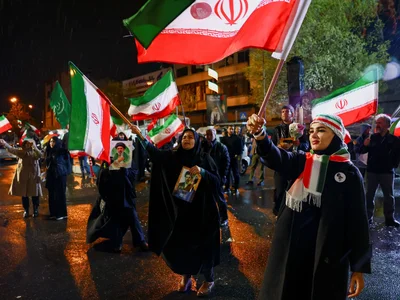
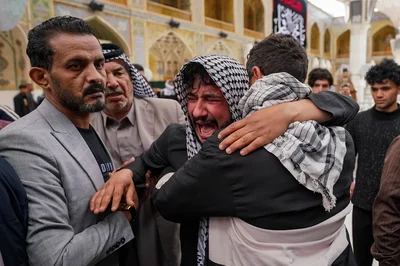
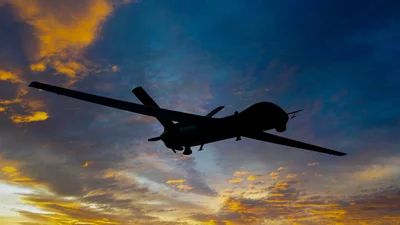
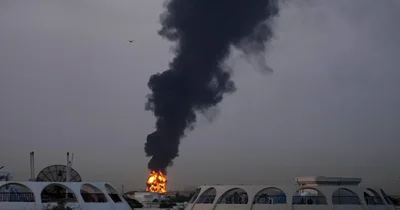
US-Israel War on Iran The US and Israel launched a military campaign against Iran starting February 28, 2026, killing Iran's Supreme Leader Ayatollah Ali Khamenei and targeting nuclear and industrial sites. The conflict has escalated with Iran retaliating through missile and drone attacks on Israel, Gulf states, and US military bases, including a significant strike on Prince Sultan Air Base in Saudi Arabia that wounded US troops. Despite ongoing airstrikes and rising casualties, diplomatic efforts continue with the US delaying attacks on Iran's energy infrastructure to pursue talks, though Iran denies negotiations. The war has caused widespread regional instability, disrupted global energy supplies, and intensified geopolitical tensions, with fears of a broader Middle East conflict as allied groups like Yemen’s Houthis threaten involvement. The conflict also highlights modern warfare’s evolution, including narrative battles and the use of low-cost drone technology. research →
-
AI Security Threats 2026 In 2026, the rapid adoption of AI tools and autonomous AI agents in enterprise and software development has exposed critical new security vulnerabilities. Developers face a paradox of widespread AI use coupled with deep mistrust due to unreliable outputs and increased debugging burdens. A major emerging threat is indirect prompt injection, where malicious instructions hidden in untrusted data cause AI agents to leak sensitive information or perform unauthorized actions. Additionally, supply chain breaches like the LiteLLM attack reveal how compromised AI infrastructure can lead to widespread credential exposure, amplifying risks across cloud and AI services. These developments underscore an urgent need for comprehensive security frameworks addressing AI-specific attack surfaces, data poisoning, and governance challenges in the evolving AI ecosystem. research →

-
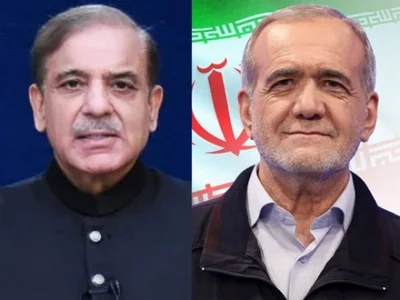
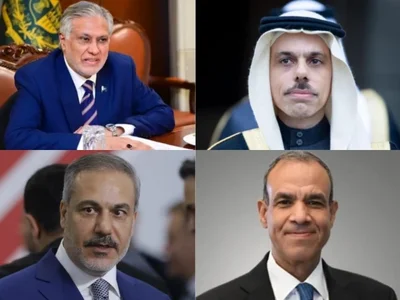
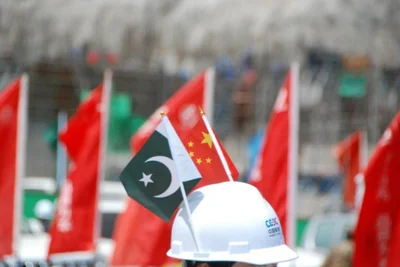
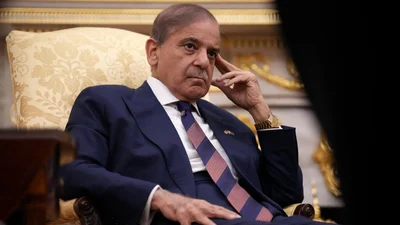
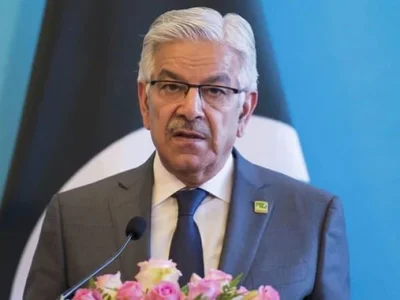
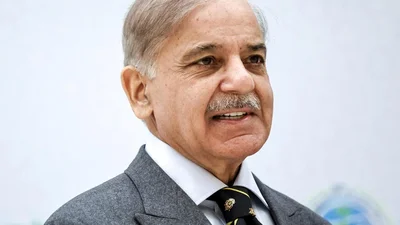
Pakistan mediates Iran-US peace talks Pakistan has emerged as a key mediator in efforts to de-escalate the ongoing conflict between the United States and Iran. The country has facilitated indirect talks by delivering a 15-point US peace plan to Iran and is hosting high-level diplomatic visits from Saudi Arabia, Egypt, and Turkiye to discuss regional stability. Prime Minister Shehbaz Sharif has held detailed discussions with leaders from Iran and Gulf countries, emphasizing Pakistan's commitment to peace and regional security. Pakistan's mediation efforts have received support from China and are seen as a significant diplomatic achievement, enhancing its international stature amid a complex geopolitical landscape. This role matters as it positions Pakistan as a crucial player in preventing further escalation in the Middle East and protecting the interests of Muslim countries and global trade routes. research →
-
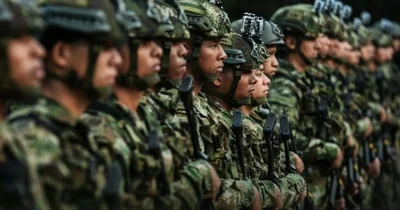
Colombian Mercenary Recruitment A United Nations expert group has revealed that over 10,000 Colombians, primarily former military and police personnel, have been recruited as mercenaries in global conflicts over the past decade. This surge is driven by increased worldwide armed conflicts, including in the Middle East, Sudan, and Ukraine, where Colombian combat experience is highly valued. The recruitment offers monthly salaries significantly higher than Colombian military pensions, highlighting economic motivations behind this trend. This revelation coincides with Colombia's introduction of a new anti-mercenary law aimed at addressing the issue domestically. The phenomenon raises concerns about the implications for Colombia's security and the broader impact of Latin American combatants in international conflicts. research →
-
Canadian Army Overhaul The Canadian Army is undergoing a significant reorganization as part of a new 'all arms defence of Canada' plan being finalized by the Department of National Defence. Lieutenant-General Mike Wright, the top army commander, announced that the current four-division structure, primarily administrative, will be dismantled to better align with modern strategic needs. This overhaul aims to enhance the army's ability to defend Canadian territory, deploy overseas, and mobilize large numbers of volunteers swiftly in a crisis. The initiative reflects growing concerns about the likelihood of Canada's involvement in major international conflicts and the necessity to modernize and strengthen combat capabilities. The plan is being developed with input from other military services and is expected to be implemented in the fall. research →

-
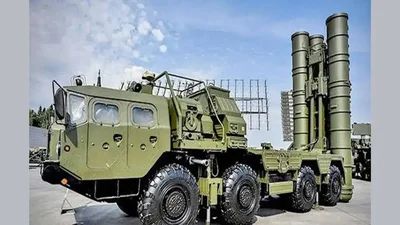
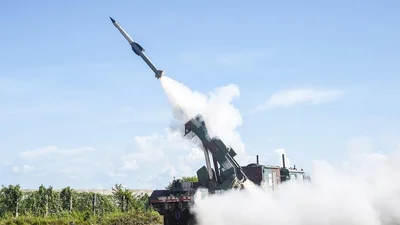
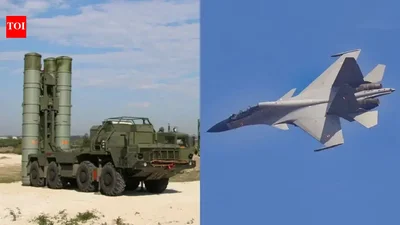
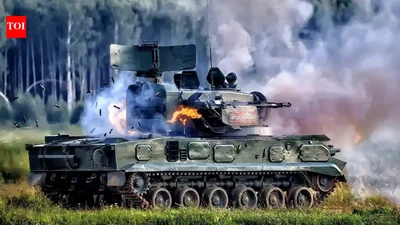
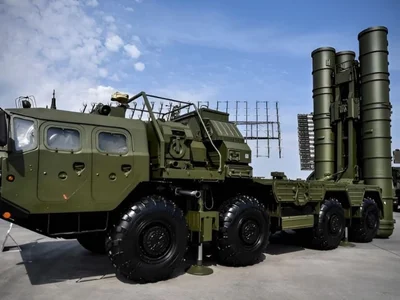
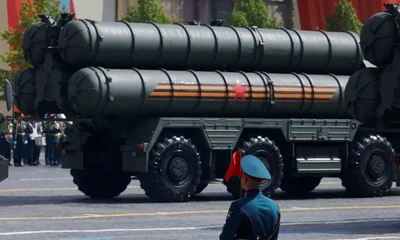
India $25B Defence Purchases India's Defence Acquisition Council, chaired by Defence Minister Rajnath Singh, has approved defence procurement proposals worth approximately $25 billion for the 2025-26 fiscal year. Key acquisitions include additional Russian S-400 long-range surface-to-air missile systems, medium transport aircraft to replace aging fleets, remotely piloted strike drones, and upgrades to Su-30 fighter jets. The purchases also cover army enhancements such as air defence tracking systems, artillery, and surveillance equipment, alongside contracts for Tunguska missile systems and maintenance of naval P-8I aircraft. These procurements reflect India's ongoing military modernization efforts and strategic reliance on Russian defense technology, while also diversifying suppliers including the US, France, and Israel. This significant investment aims to bolster India's defense preparedness amid regional security challenges. research →
-
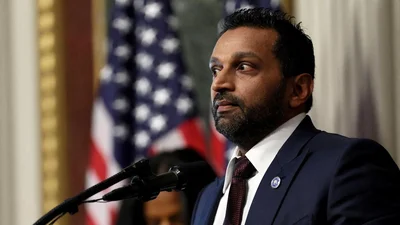
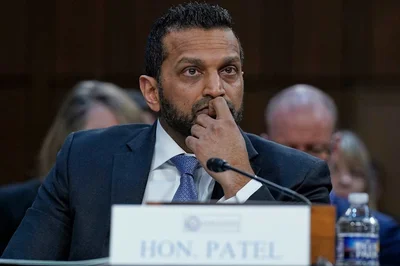
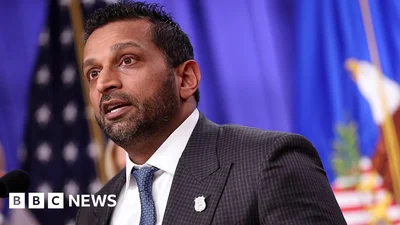
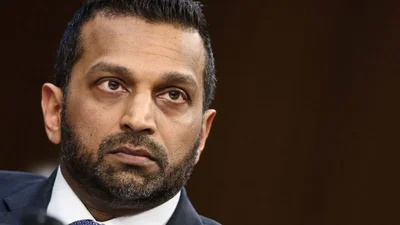
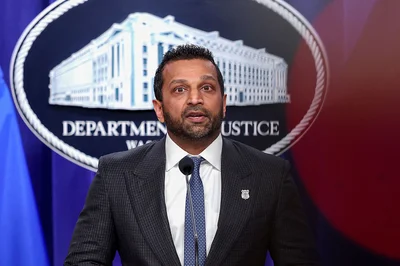
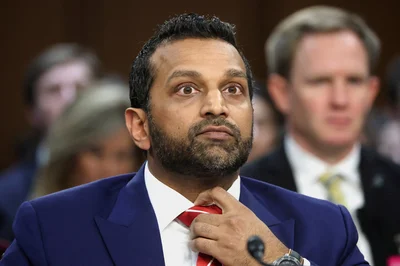
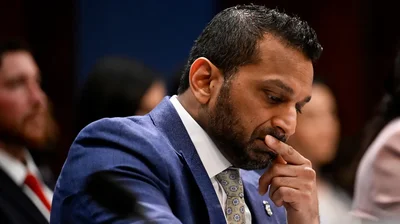
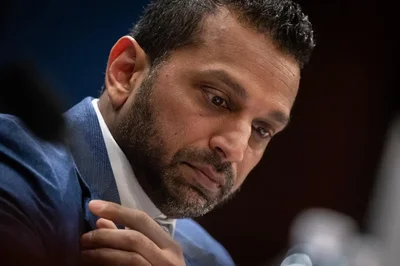
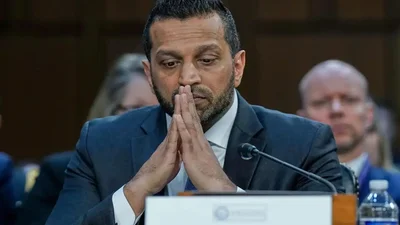
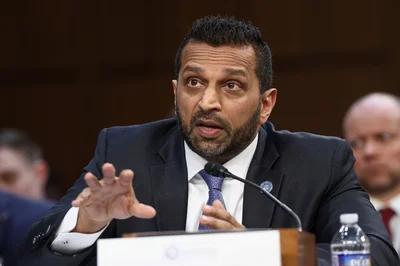
Iran-linked Hack of FBI Director An Iran-linked hacking group known as the Handala Hack Team has breached the personal email account of FBI Director Kash Patel, publishing a large cache of emails, personal photos, and documents online. The FBI confirmed the breach but stated that the compromised data was historical and contained no government information. The hackers, believed to be affiliated with Iranian government cyberintelligence units, claimed the attack was retaliation for recent U.S. actions against their domains and highlighted it as a symbolic blow against U.S. security. This incident marks a significant escalation in Iran's cyber warfare amid ongoing tensions and conflict involving the U.S., Israel, and Iran, raising concerns about the vulnerability of high-profile officials' personal data. The U.S. government has offered up to $10 million for information on the hackers involved. research →