-
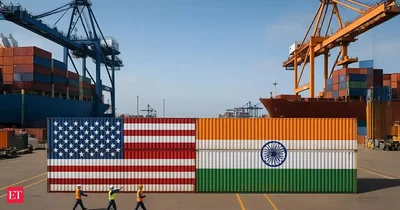
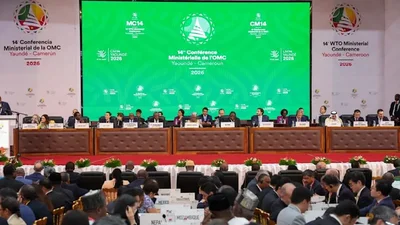
WTO Reform Challenges At the 14th WTO Ministerial Conference in Yaounde, Cameroon, significant challenges emerged in efforts to reform the World Trade Organization, primarily due to divergent positions held by the U.S. and India. While 66 WTO members bypassed opposition to introduce the world's first baseline digital trade rules, India and the U.S. resisted broader reform proposals and consensus on extending the e-commerce moratorium, which bans customs duties on electronic transmissions. India signaled some openness to a short-term extension of the moratorium, but the U.S. insists on a permanent extension, highlighting ongoing negotiation gaps. Additionally, bilateral trade talks between the U.S. and India continue with unresolved issues, such as tariff reductions on agricultural products like pulses. These developments underscore the difficulties in achieving multilateral trade reforms amid geopolitical tensions and differing national priorities, impacting the future of global trade governance. research →
-
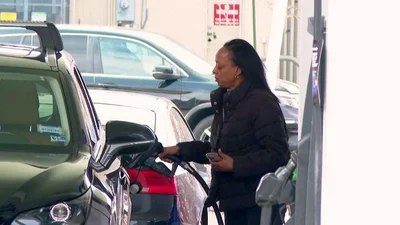
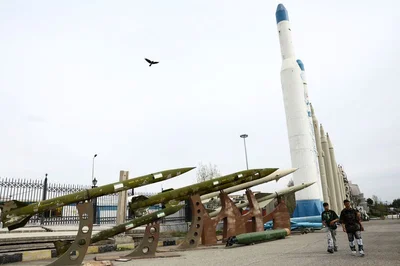
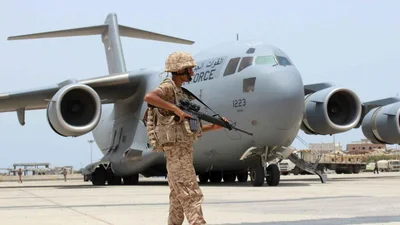
West Asia Conflict Economic Impact The ongoing war in West Asia, centered on Iran and involving the US and Israel, has triggered significant global economic disruptions, particularly in energy markets. The conflict has led to a blockade of the Strait of Hormuz, a critical oil shipping route, causing crude oil prices to surge sharply and fueling inflation fears worldwide. Countries heavily dependent on Persian Gulf energy supplies, such as India, Türkiye, Germany, and the US, are experiencing rising fuel costs, inflation, and economic slowdowns, with some facing increased borrowing costs and recession risks. Consumer confidence has declined in multiple regions due to higher living costs and market volatility, while governments are implementing measures like tax cuts on fuel and fuel surcharges to mitigate impacts. The situation underscores the fragile interdependence of global energy security and economic stability amid geopolitical conflicts. research →
-
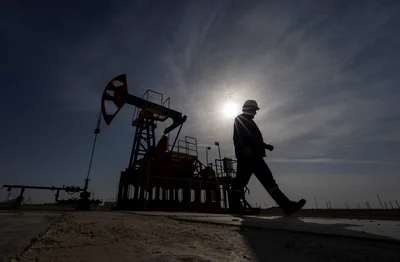
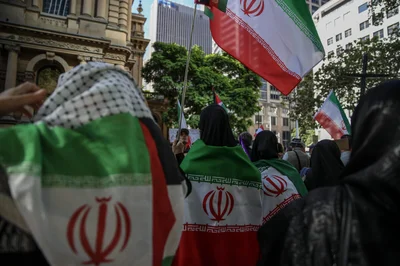
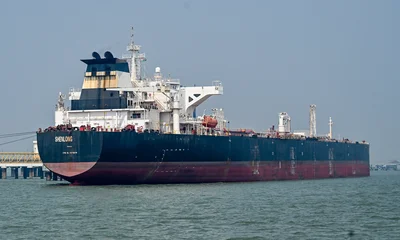
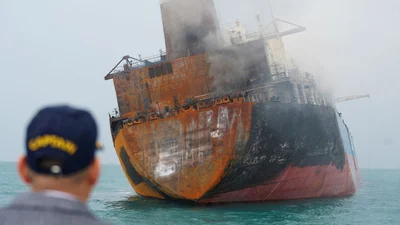
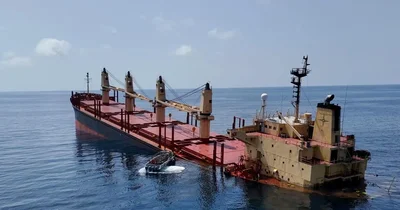
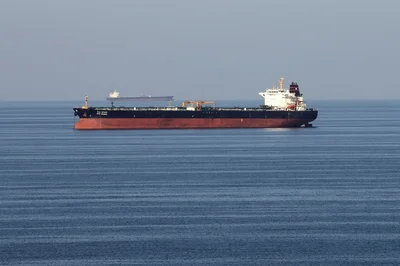
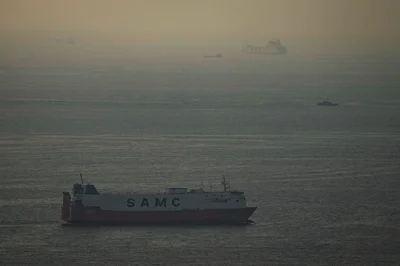
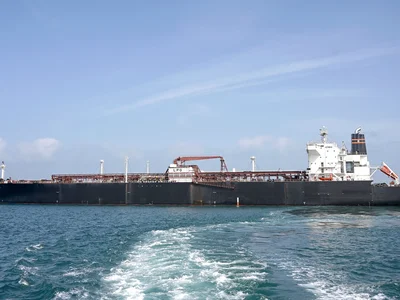
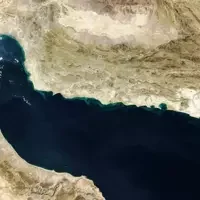
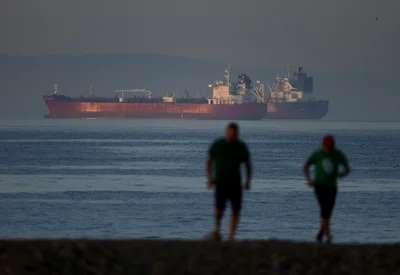
Iran War Disrupts Oil Supply The ongoing war involving Iran has led to a near-complete closure of the Strait of Hormuz, a critical chokepoint through which about 20% of the world's oil and liquefied natural gas supplies transit. Iran's Revolutionary Guard Corps has imposed strict controls and threats against unauthorized vessels, severely disrupting global energy shipments and causing oil prices to surge above $110 per barrel, with forecasts suggesting prices could reach as high as $200 under certain scenarios. This disruption has triggered fuel shortages and inflationary pressures in Asia and Europe, with governments scrambling for alternative supply routes and releasing strategic reserves to mitigate the crisis. Industry leaders warn that even if the conflict ends soon, the economic repercussions will persist due to depleted reserves and the time needed to restore normal supply chains. The situation underscores the geopolitical leverage Iran holds over global energy markets and highlights the fragility of global economic stability amid regional conflicts. research →
-
Canada-US Trade Deal Impact Businesses in Canada, particularly in border cities like Windsor, are experiencing economic uncertainty due to the potential review and renegotiation of the United States-Mexico-Canada Agreement (CUSMA). Canadian companies report reduced orders, longer payment terms, and tougher price negotiations amid fears that the US might scrap the deal. Despite these jitters, Ontario's economy has remained relatively stable, with limited uptake of government support programs designed to mitigate tariff impacts. Meanwhile, US border towns such as Lewiston, New York, face declining Canadian tourist spending due to tensions over tariffs and border enforcement. This situation highlights the fragile interdependence of North American trade and the broader economic consequences of political rhetoric and trade policy uncertainty. research →

-
Hiring Signals and Competitor Job Tracking In the challenging job market of 2025-2026, recent graduates face high unemployment and underemployment, prompting increased use of AI tools in job interviews. Meanwhile, companies and sales teams are increasingly leveraging automated monitoring systems to track competitor activities such as pricing changes and job postings. Job postings serve as early indicators of competitor product roadmaps and strategic priorities, often revealing commitments months before official announcements. Advanced competitive intelligence tools and pipelines are being developed to detect hiring signals even before job ads appear, providing a critical edge in market positioning and recruitment. This trend underscores the growing importance of real-time data and AI in navigating both hiring challenges and competitive business landscapes. research →

-
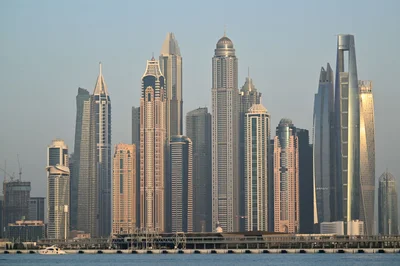
Middle East Tensions Impact Real Estate The ongoing conflict involving Iran and the UAE, alongside broader Middle East tensions, is significantly affecting real estate markets both regionally and internationally. In the UAE, particularly Abu Dhabi and Dubai, real estate costs and rental yields are under pressure due to increased security risks and geopolitical instability, with Dubai's real estate index plunging 21% shortly after the conflict escalated. Indian housing markets have also felt the impact, with a 7% quarterly decline in sales during Q1 2026 attributed to global uncertainties stemming from the conflict. Additionally, luxury markets connected to the Middle East have seen sharp declines, with major brands suspending deliveries and stock prices dropping by 15-20%. These developments highlight the interconnectedness of geopolitical tensions and global real estate and luxury markets, underscoring the importance of stability for economic confidence and investment flows. research →
-
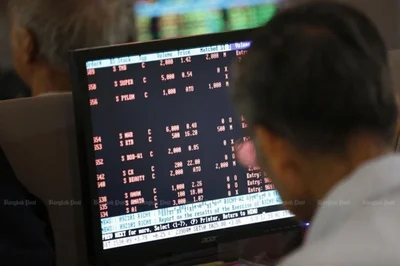
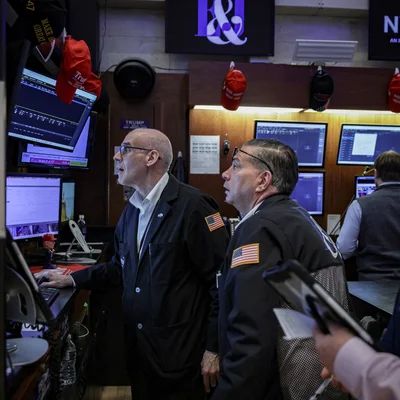
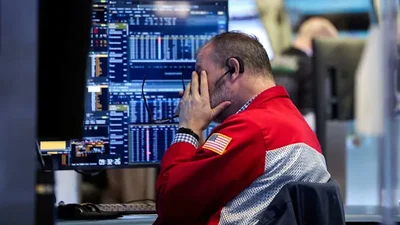
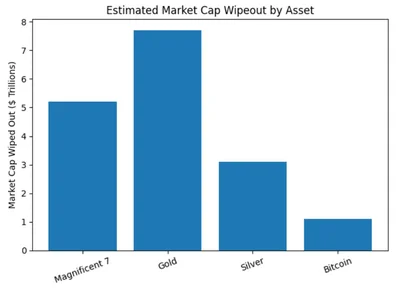
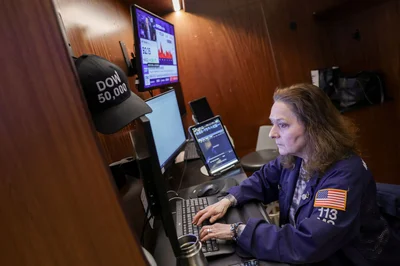
Stock Market Correction March 2026 In late March 2026, global stock markets entered a correction phase amid escalating geopolitical tensions from the ongoing U.S. and Israeli war with Iran. The Dow Jones Industrial Average fell over 10% from its all-time high, officially entering correction territory alongside the Nasdaq and S&P 500, which posted their longest losing streaks in nearly four years. The conflict disrupted oil supplies through the Strait of Hormuz, pushing Brent crude prices above $100 and fueling stagflation fears, which weighed heavily on investor sentiment worldwide. Despite President Trump's extension of a deadline to attack Iran's energy infrastructure, markets reacted negatively, interpreting the move as prolonging uncertainty rather than resolving it. This correction highlights the vulnerability of global markets to geopolitical risks and rising energy costs, signaling potential challenges ahead for economic recovery and investor confidence. research →

-
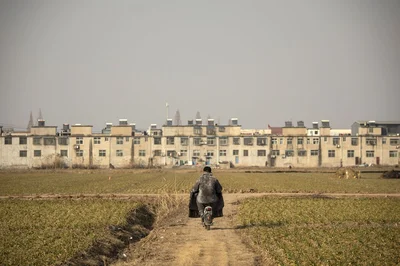
China Invites US Agribusiness Investment China is actively encouraging U.S. agribusiness firms to increase their investment and involvement in its agricultural sector as part of its rural revitalization strategy under the 15th Five-Year Plan. Vice Agriculture Minister Zhang Zhili highlighted opportunities for American companies to contribute advanced technologies and expertise in areas such as seed development, food processing, and agribusiness infrastructure modernization. This outreach underscores China's intent to leverage foreign innovation to enhance food security and reduce the urban-rural wealth gap despite ongoing geopolitical tensions. The move also signals that agricultural cooperation remains a key stabilizing element in the complex U.S.-China economic relationship. The invitation comes amid broader global agricultural challenges, including supply chain pressures and regional conflicts affecting commodity markets. research →
-
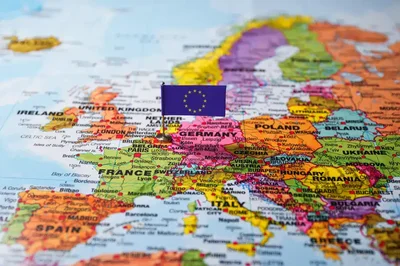
Europe Single Market Strategy Critique The European Commission's recently announced 'One Europe, One Market Roadmap' aimed at revitalizing the EU single market has faced confusion and criticism. Initially promised with clear timelines and targets by President Ursula von der Leyen, the strategy's presentation was delayed due to geopolitical distractions, notably the conflict involving Iran. European Council President António Costa declared the agenda approved, yet von der Leyen later indicated the roadmap would only be signed and presented at a future summit, leaving ambiguity over its status. This indecision highlights ongoing challenges in EU economic integration efforts amid broader concerns about democratic legitimacy and economic disparities within the bloc. The strategy's unclear progress matters because a robust single market is central to Europe's economic recovery and cohesion, especially as inflation and economic pressures vary widely across member states. research →
-
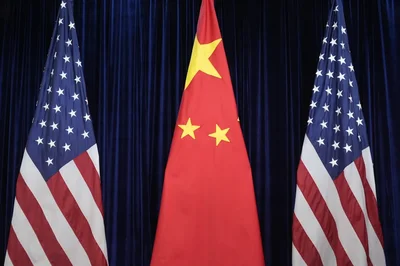
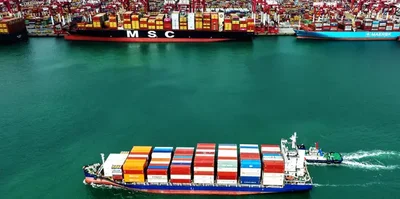
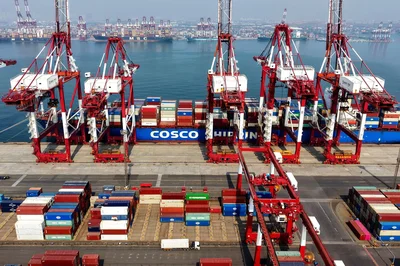
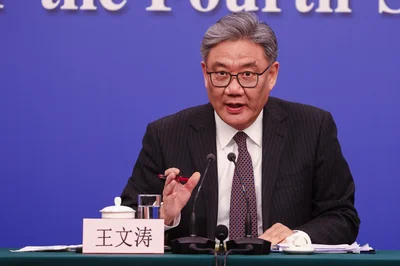
China-US Trade Investigations China has launched two formal trade investigations into U.S. trade practices in response to recent U.S. Section 301 probes targeting China, which could lead to the reimposition of tariffs. The investigations focus on U.S. measures that allegedly restrict Chinese goods, limit exports of advanced technology, and obstruct trade in green products, potentially violating WTO rules and bilateral agreements. These actions come amid ongoing tensions following the Trump administration's reciprocal tariffs, which were challenged in the U.S. Supreme Court, and ahead of President Trump's planned visit to Beijing in May. Despite these disputes, both countries have expressed a willingness to strengthen economic cooperation and avoid 'vicious competition,' with high-level talks aiming to ease tensions. The investigations mark a significant development in the complex trade relationship between the world's two largest economies, with implications for global supply chains and international trade norms. research →