-
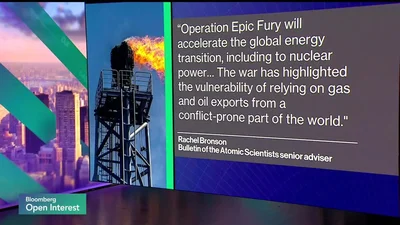
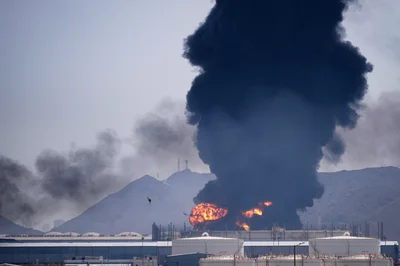
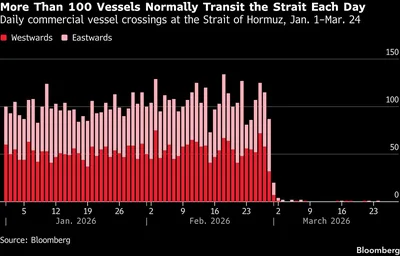
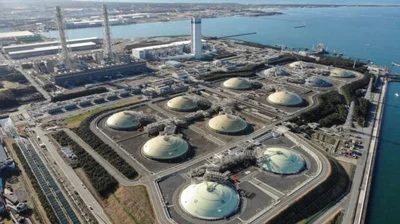
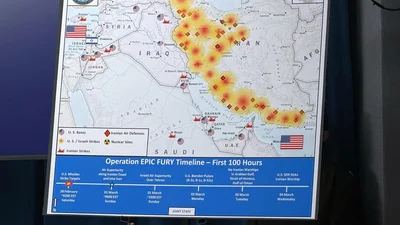
Iran War Energy Impact The ongoing US-Israeli war against Iran has severely disrupted global energy markets, primarily due to Iran's strategic control over the Strait of Hormuz, a critical chokepoint for about 20% of the world's oil supply. Iranian drone strikes have damaged key natural gas infrastructure in Qatar, reducing global liquefied natural gas availability by about 20% for several years, exacerbating energy shortages and driving prices to multi-year highs. This conflict has triggered a surge in oil prices, supply chain disruptions, and heightened geopolitical risks, accelerating interest in alternative energy sources such as nuclear power and electric vehicles. Regions like Europe and Asia face acute energy supply challenges, with Europe competing with Asia for limited LNG supplies amid low reserves, while Asia's energy-dependent economies brace for prolonged instability. The crisis is reshaping global energy strategies, pushing countries to diversify energy sources and accelerate transitions to renewables and nuclear power to reduce vulnerability to Middle East conflicts. research →
-
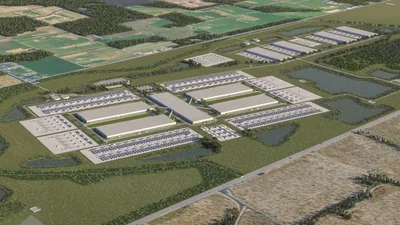
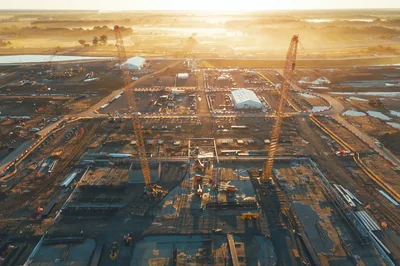
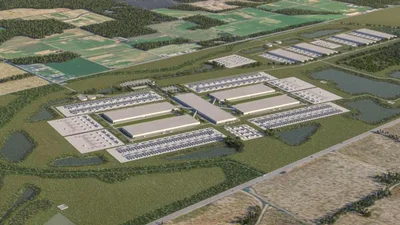
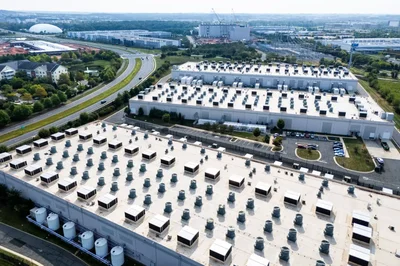
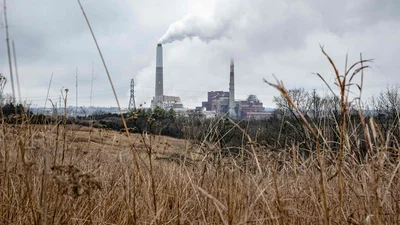
AI Energy Demand Spurs Gas Expansion The rapid growth of artificial intelligence (AI) technologies has dramatically increased electricity demand, prompting major tech companies like Meta and OpenAI to invest heavily in new energy infrastructure. Meta is funding the construction of up to ten new natural gas-fired power plants in Louisiana to supply its massive Hyperion AI data center, alongside investments in transmission lines, battery storage, and nuclear power upgrades. Meanwhile, OpenAI is negotiating future energy supply agreements with fusion energy startups, signaling a long-term interest in advanced clean energy sources. This surge in demand has intensified reliance on natural gas as a reliable baseload power source despite geopolitical risks and supply chain vulnerabilities exposed by Middle East conflicts. The expansion raises concerns about environmental impacts and the challenge of meeting climate commitments as data centers contribute significantly to local warming and carbon emissions. research →
-
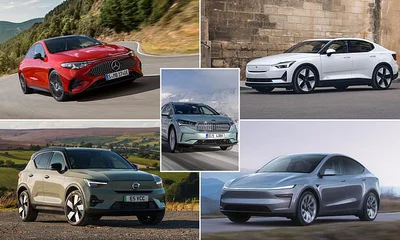
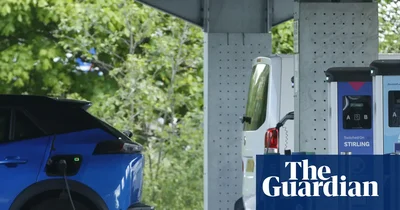
Electric Vehicles Market and Technology The global electric vehicle (EV) market is undergoing significant shifts driven by technological innovation, geopolitical factors, and evolving government policies. Rising fuel prices due to the Iran war have accelerated interest in EVs, particularly in the UK, where increased adoption could extend national fuel reserves. Chinese EV makers like BYD face profit pressures amid intense domestic competition but are expanding overseas with advanced technologies such as ultra-fast charging batteries. Meanwhile, breakthroughs in battery technology, including Chinese-developed electrolytes that double EV range and operate in extreme cold, promise to enhance EV performance globally. Additionally, government incentives, recalls over battery safety, and advances in battery recycling are shaping the EV landscape, highlighting a complex but rapidly evolving industry crucial for the transition to sustainable transportation. research →
-
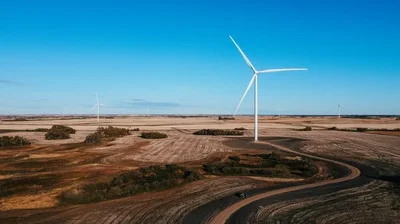
Saskatchewan Wind Farm Conflict A proposed 200-megawatt wind farm by Enbridge near Weyburn in southeast Saskatchewan is causing significant community division. Don Bourassa, a local resident, reports strained neighbor relationships and bullying attempts linked to the project, which would feature 46 turbines capable of powering 100,000 homes. The conflict arises partly because some residents stand to financially benefit from the project while others do not, and the wind farm would occupy private property close to homes. Community members have actively protested at town halls, urging officials to reject the plan. This situation highlights the social challenges that can accompany renewable energy developments, especially in rural areas. research →
-
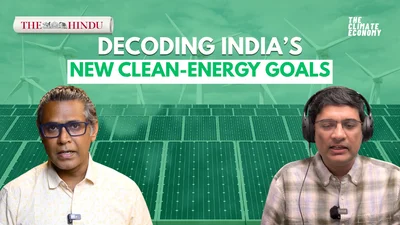
Clean Energy and Climate Policy Challenges The global clean energy transition faces significant challenges amid geopolitical tensions and shifting policy landscapes. In the United States, the Trump administration has actively dismantled federal climate initiatives, canceled funding for renewable energy projects, and prioritized fossil fuel expansion, causing setbacks for clean energy companies. Meanwhile, India is cautiously advancing its climate goals, focusing on emissions intensity reduction and increasing clean power to 60%, while managing energy security concerns amid West Asia conflicts that threaten LNG supplies. Despite these hurdles, India's carbon emissions growth slowed to its lowest rate in two decades in 2025, reflecting progress in clean energy adoption. These developments highlight the complex balance between economic growth, energy security, and environmental sustainability in the global effort to combat climate change. research →
-
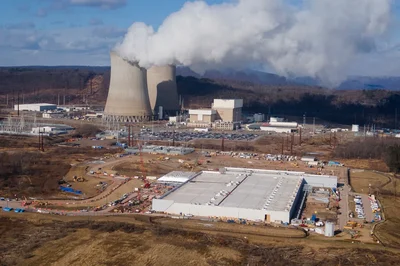
Nuclear Microreactors and Energy Innovation The U.S. government is actively promoting the deployment of nuclear microreactors, small and transportable nuclear reactors initially conceived for military use, to enhance energy capacity in remote locations, military bases, and commercial operations. This initiative, supported by the Department of Energy's DOME program, aims to start pilot projects as early as spring 2026, signaling a significant push toward expanding nuclear energy infrastructure. Microreactors offer a robust alternative to traditional fossil fuels and larger nuclear plants, with potential benefits in safety, scalability, and grid resilience. This development comes amid broader interest in advanced nuclear technologies, including fusion energy and nuclear-powered spacecraft, highlighting nuclear power's evolving role in meeting future energy and technological demands. The growing focus on microreactors reflects a strategic effort to balance innovation with safety and environmental considerations in the energy sector. research →

-
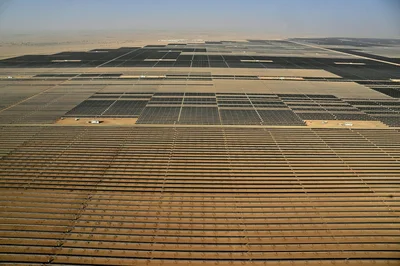
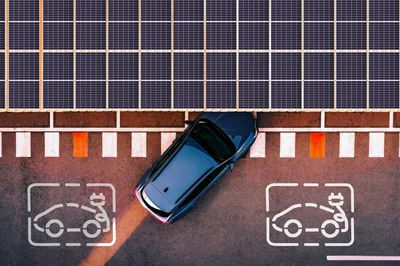
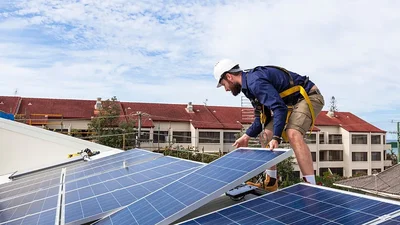
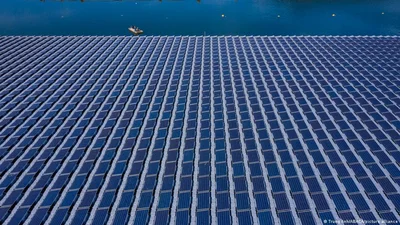
Global Solar Power Expansion Solar power has experienced unprecedented growth over the past decade, evolving from a niche technology to a major global energy source. Global solar capacity surged from 228 GW in 2015 to an estimated 2,919 GW in 2025, now supplying about 10% of the world's electricity, surpassing nuclear energy. China leads this expansion, installing 315 GW in 2025 alone and producing over 80% of solar panels worldwide, while also reducing its coal dependency. Innovations such as portable high-efficiency panels and ambitious projects like China's space-based solar power initiative highlight ongoing technological advancements. This rapid growth is crucial as geopolitical tensions and fossil fuel disruptions drive increased demand for reliable, clean energy alternatives worldwide. research →
-
Energy Market Financial Performance In Q4 2025, Cheniere Energy and GeoPark Limited both reported strong financial results despite differing market conditions. Cheniere Energy achieved a net income of $2.3 billion and a record LNG export volume, driven by operational efficiencies and nearing completion of its Corpus Christi Stage 3 project, which positions it for future growth. GeoPark demonstrated resilience amid a challenging oil price environment, exceeding production guidance, achieving significant cost savings, and maintaining a strong cash position supported by a comprehensive hedging strategy. These results highlight the companies' strategic adaptability and financial strength in the evolving energy market landscape. Their performances are significant for investors and stakeholders monitoring energy sector dynamics and future capacity expansions. research →