-
India Healthcare Workforce and Diagnostics India faces significant challenges in its healthcare system as it prepares for a rapidly ageing population, with experts highlighting gaps in the availability of health professionals and the quality of diagnostic services. The Senior Citizens’ Friends Welfare Association in Kerala has urged political parties to address elderly healthcare needs in their manifestos, emphasizing social security, free health insurance, and expanded healthcare support. Meanwhile, India’s diagnostic sector is grappling with a quality crisis, as fewer than 1% of its estimated 300,000 laboratories are accredited, raising concerns about the reliability of test results critical for medical decisions. These issues underscore the urgent need for systemic reforms to improve healthcare workforce capacity and diagnostic quality to ensure better care for India's growing senior population. research →

-
Medicine Shortages Iran War The ongoing conflict in Iran, triggered by US and Israeli strikes, has severely disrupted global supply chains, leading to looming medicine shortages in the UK and beyond. The closure of the Strait of Hormuz, a critical shipping route, has caused delays and increased costs for pharmaceutical shipments, particularly affecting generic drugs and active pharmaceutical ingredients largely produced in India. Humanitarian aid shipments, including vital medical supplies, face logistical challenges, complicating relief efforts within Iran and in neighboring regions. This shortage comes amid broader disruptions to energy, fertilizer, and helium supplies, which threaten food security and medical technology worldwide. The situation underscores the far-reaching humanitarian and economic impacts of the war, raising concerns over healthcare access and inflation globally. research →

-
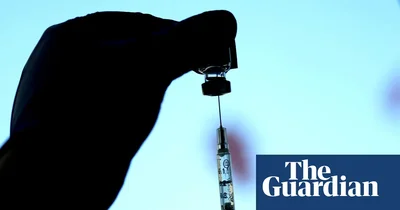
Measles Vaccination Campaign Mexico In response to a widespread measles outbreak, Mexico has launched an extensive vaccination campaign aiming to immunize 2.5 million people weekly. The campaign employs diverse strategies including door-to-door nursing visits, pop-up vaccination sites in public spaces like bakeries and bus stations, and digital tools such as QR codes and WhatsApp updates to facilitate access. Public concern over the outbreak has driven high turnout, with people of all ages seeking vaccination, though some experts criticize the campaign's broad approach as inefficient. This large-scale effort highlights Mexico's urgent public health response to contain the outbreak and prevent further spread of measles, a highly contagious disease with serious health risks. research →

-
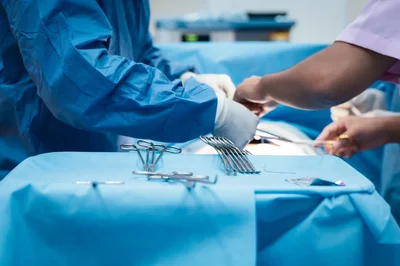
NHS Surgical Errors Rise New data reveals that NHS surgeons in England made 661 errors involving surgery on the wrong patient or body part between 2020 and 2025, marking a 46% increase over five years. These 'wrong-site surgeries' are classified as 'never events,' meaning they are entirely preventable, yet 7% of these incidents caused serious harm. Notable cases include the mistaken removal of both ovaries from a patient in 2024, which resulted in severe harm. The rise in such errors has raised alarm among patient safety campaigners who urge prioritization of safety protocols. This trend highlights systemic challenges within NHS surgical practices and the urgent need for improved safeguards to prevent avoidable harm. research →
-
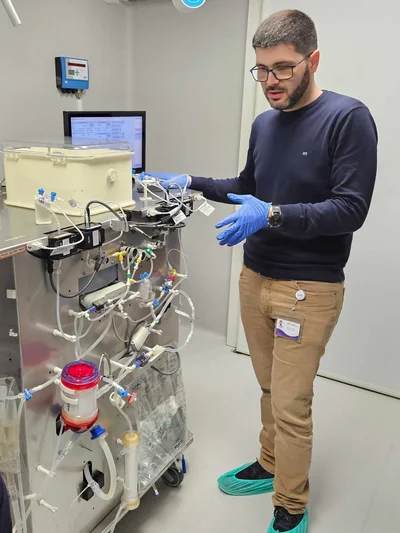
Uterus Maintained Outside Body For the first time, scientists have successfully kept a human uterus alive outside the body for 24 hours, significantly extending the preservation time compared to the current few hours possible. This breakthrough, achieved by a research team in Spain, could expand the availability of uterus transplants by allowing the use of organs from deceased donors, rather than relying solely on living donors. While the team is currently focused on using this technology for research rather than immediate clinical application, the advancement holds promise for improving fertility treatments for individuals without functional uteruses. Experts highlight that maintaining organ viability outside the body for extended periods is a critical step toward enhancing transplant success and expanding reproductive options. This development also opens new avenues for studying uterine biology and pregnancy in controlled laboratory settings. research →
-
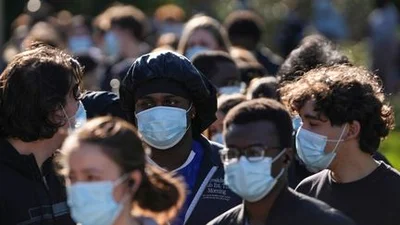
Global Meningitis Death Toll A comprehensive global study published in The Lancet Neurology has revealed that meningitis caused approximately 259,000 deaths worldwide in 2023, with around 2.54 million cases recorded. Despite significant progress in vaccination campaigns since 2000, the disease continues to disproportionately affect children under five, especially in poorer African countries. The study highlights that current efforts remain insufficient to meet the World Health Organization's 2030 targets to reduce meningitis incidence and mortality substantially. The recent meningitis outbreak in the UK, which led to increased vaccination drives among students, underscores ongoing vulnerabilities and gaps in vaccination strategies, prompting calls for expanded immunization programs, particularly for teenagers and university students. research →
-
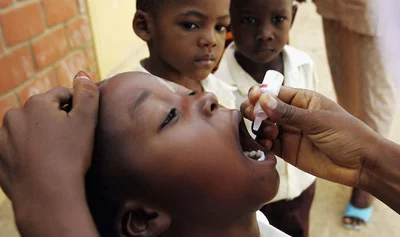
Polio Vaccination and Virus Detection Amid ongoing global efforts to eradicate polio, Adamawa State in Nigeria has launched a comprehensive anti-polio vaccination campaign targeting 1.2 million children, deploying over 1,600 health teams to administer oral vaccines. This initiative is part of the National Immunization Plus Campaign supported by UNICEF, aiming to prevent the reintroduction of polio in Nigeria. Concurrently, in London, the poliovirus was detected in sewage samples for the 10th time since 2024, raising concerns about potential virus transmission in communities with low vaccination rates. Experts warn that recent government cuts to global polio eradication funding are shortsighted, especially given the detection of the virus in a major city like London. These developments underscore the critical importance of sustained vaccination and surveillance efforts to prevent polio resurgence globally. research →
-
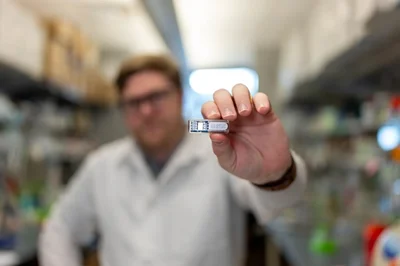
Living Pharmacy Implant Scientists from Northwestern University and collaborating institutions have developed an innovative implantable device called HOBIT, a 'living pharmacy' that uses engineered cells to continuously produce and deliver multiple drugs simultaneously inside the body. In animal tests, the device successfully administered three different therapeutics, including a GLP-1-like peptide for type 2 diabetes, an anti-HIV antibody, and leptin, while maintaining cell viability for at least a month through a self-sustaining oxygen supply. This technology addresses the critical issue of medication adherence, especially for patients with chronic conditions requiring complex dosing schedules. The implant's wireless and minimally invasive design offers a promising platform for personalized and sustained drug delivery, potentially transforming treatment paradigms. The breakthrough represents a significant step toward integrating bioelectronics and cell therapy for improved healthcare outcomes. research →
-
mRNA Vaccine Science and Safety mRNA vaccine technology, which gained prominence during the COVID-19 pandemic, has proven to be a groundbreaking advancement in infectious disease control. These vaccines work by instructing cells to produce a protein that triggers an immune response without using live virus, making them both effective and safe. Despite their success in preventing millions of COVID-19 infections, mRNA vaccines have faced political and public skepticism, including funding cuts and regulatory challenges. However, scientists remain optimistic about the potential of mRNA technology not only for infectious diseases but also for cancer treatment. Understanding the science behind mRNA vaccines is crucial as new COVID-19 variants emerge, potentially impacting vaccine effectiveness. research →