-
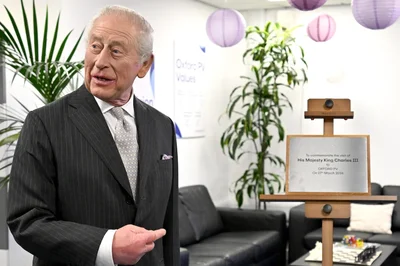
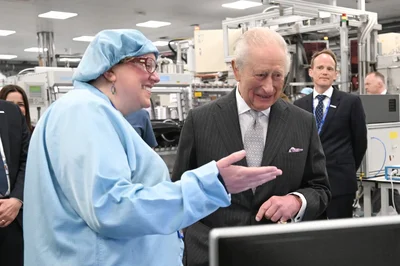
Solar Cell Efficiency Breakthrough Researchers from Kyushu University and Johannes Gutenberg University Mainz have achieved a groundbreaking solar cell efficiency of around 130%, surpassing the traditional 100% limit by utilizing a molybdenum-based 'spin-flip' emitter to harness singlet fission energy. This breakthrough overcomes a long-standing physical ceiling in solar energy conversion, potentially revolutionizing solar technology and accelerating the shift away from fossil fuels. The advancement is especially significant amid global energy challenges, including supply chain vulnerabilities in natural gas and increasing demand for renewable energy sources. This innovation complements the rapid growth of solar capacity worldwide and aligns with efforts by governments and companies, including British firm Oxford PV, to commercialize more efficient solar panels. The development promises to enhance solar power's role in meeting global energy needs sustainably and reliably. research →
-
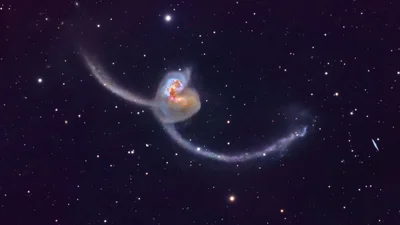
Antennae Galaxies Astrophotography Astrophotographer Greg Meyer captured a stunning image of the Antennae Galaxies, two colliding galaxies located in the constellation Corvus. Using a Sky-Watcher Esprit 120 telescope, Meyer documented the chaotic merging process where the galaxies' spiral arms are distorted into sweeping tidal tails. This image highlights the dynamic and violent nature of galactic collisions, a process that has been ongoing for hundreds of millions of years and will eventually result in a single elliptical galaxy. Such astrophotography offers both scientific insight and public engagement with cosmic phenomena. The photograph stands out for its clarity and the vivid depiction of interstellar dust, gas, and star formation amid the galactic merger. research →
-
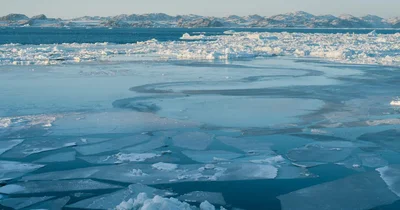
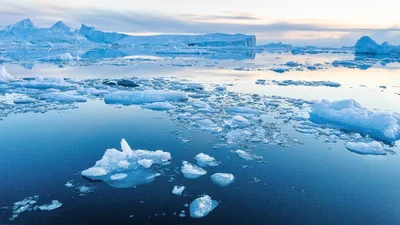
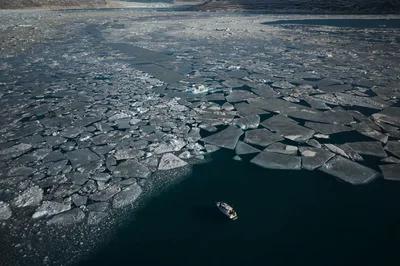
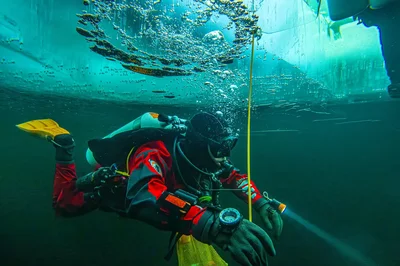
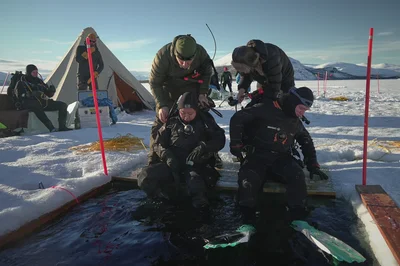
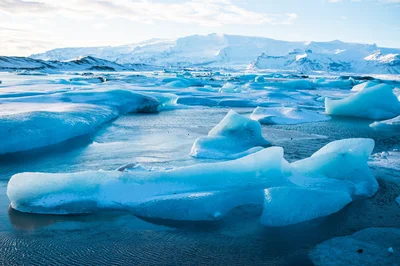
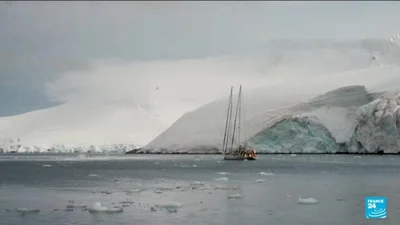
Arctic Ice Ecosystem Research Scientists have recently undergone specialized training in Finland to dive beneath Arctic ice, enabling direct study of fragile underwater polar ecosystems that are increasingly threatened by climate change. This hands-on approach allows researchers to explore habitats inaccessible to robotic surveys, providing critical insights into the impacts of rapidly shrinking sea ice, which has reached record low winter levels comparable to last year’s historic minimum. The Arctic is warming at four times the global average, leading to significant ecological disruptions, including threats to species like polar bears and alterations to global climate patterns. Understanding these underwater environments is vital for informing conservation efforts and addressing geopolitical and environmental challenges posed by the changing Arctic landscape. research →
-
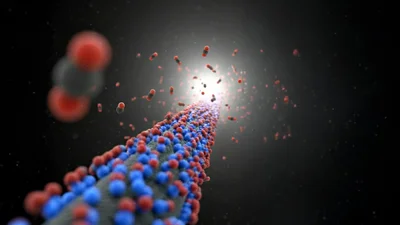
New Carbon Materials for Carbon Capture Researchers at Chiba University in Japan have developed a novel carbon material called 'viciazites' designed to improve carbon capture efficiency. Unlike traditional carbon materials with randomly distributed nitrogen groups, viciazites feature nitrogen groups placed adjacently in a controlled manner, enhancing CO2 trapping and reducing the energy required for gas release. This innovation addresses a key limitation in carbon capture technology, potentially making the process more affordable and effective. The study, published in the journal Carbon, represents a significant advancement in materials science with implications for mitigating climate change by improving carbon capture methods. research →
-
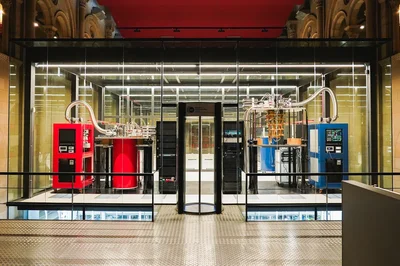
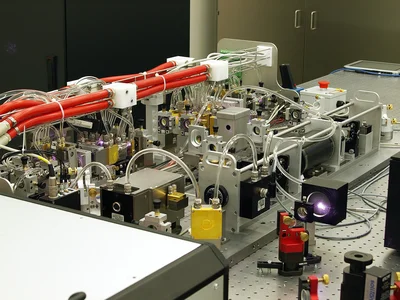
Quantum Computing Advances Recent developments in quantum computing have accelerated the timeline for transitioning to post-quantum cryptography, with Google setting a 2029 deadline to migrate its authentication services to quantum-resistant encryption due to significant progress in quantum hardware and error correction. This shift reflects growing concerns over the potential for quantum computers to break current cryptographic standards, posing risks such as 'store-now-decrypt-later' attacks that threaten digital security worldwide. Concurrently, breakthroughs in quantum hardware, including China's first silicon-based fault-tolerant quantum chip and advances in scalable quantum interference, highlight rapid technological progress. These advances underscore the urgency for industries and governments to prepare for a post-quantum era, as quantum computing promises transformative impacts across cybersecurity, finance, and information processing. The developments mark a pivotal moment in quantum research, moving from theoretical possibility to imminent practical challenge. research →
-
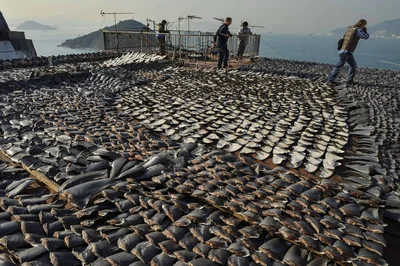
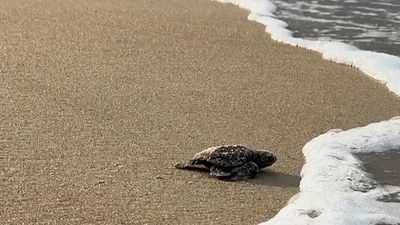
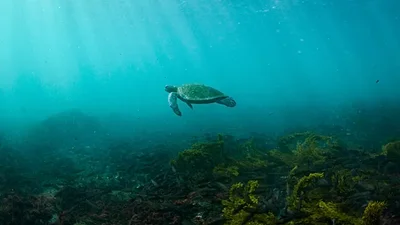
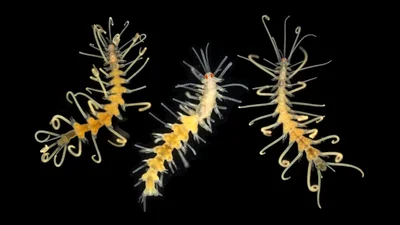
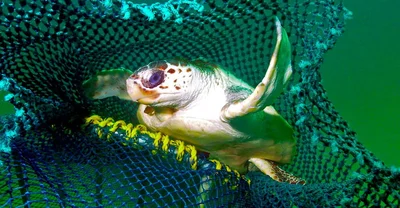
Ocean Species Extinction Risks Marine species worldwide face escalating extinction risks due to multiple human-driven threats including bycatch in fishing gear, habitat destruction, climate change, and illegal trade. Conservation efforts such as Gabon's turtle hatchery programs highlight the challenges of protecting vulnerable species like sea turtles, whose survival rates remain critically low amid funding shortages. Regulatory actions, such as Brazil's ban on the export of shark fins, aim to curb overexploitation of migratory species like the blue shark. Meanwhile, scientific initiatives are accelerating biodiversity documentation to better understand and protect lesser-known marine organisms before they vanish. These combined efforts underscore the urgent need for global cooperation to safeguard ocean biodiversity amid mounting environmental pressures. research →
-
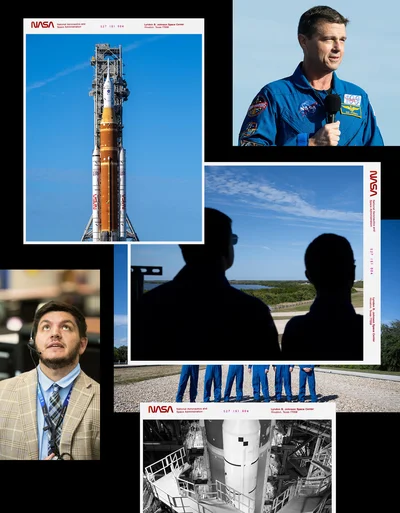
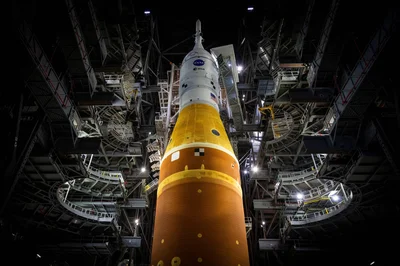
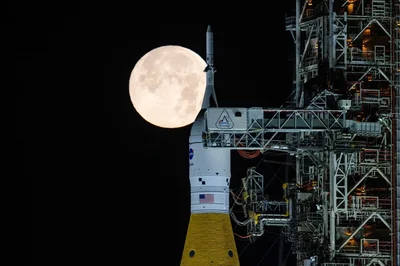
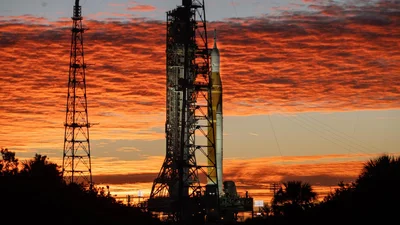
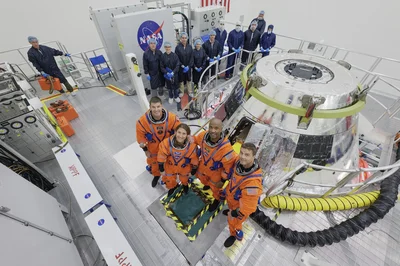
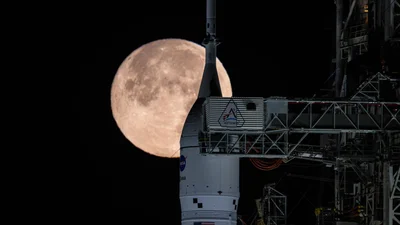
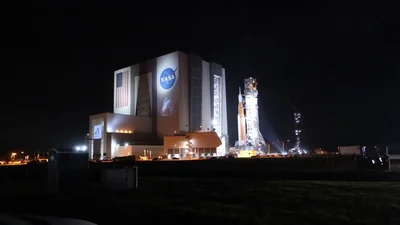
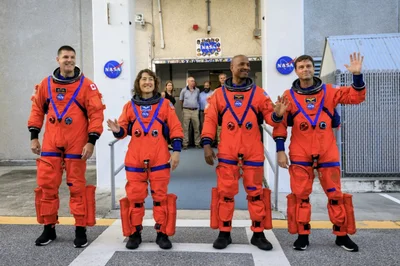
Artemis II Moon Mission NASA is preparing to launch Artemis II, the first crewed mission to orbit the moon in over 50 years, with liftoff scheduled for April 1, 2026, from Kennedy Space Center in Florida. The mission will send four astronauts, including Canadian astronaut Jeremy Hansen, on a roughly 10-day journey around the moon aboard the Orion spacecraft, launched by the Space Launch System (SLS) rocket. Artemis II serves as a critical test flight for NASA's Artemis program, which aims to establish a sustainable human presence on the moon and pave the way for future Mars exploration. The mission follows extensive astronaut training and quarantine protocols, with the crew living in the compact Orion capsule designed for deep space travel. NASA also announced plans for a $20 billion lunar base and a nuclear-powered spacecraft, signaling a new era of ambitious space exploration. research →

- Optical Quantum Hall Effects Researchers at the Würzburg Cluster of Excellence ctd.qmat have successfully transferred the topological quantum Hall and spin Hall effects—phenomena originally observed in electronic systems—to a hybrid light-matter system using polaritons. This breakthrough was achieved through targeted material design, enabling the generation of an optical quantum phenomenon that mimics these quantum effects. The advance opens promising avenues for optical information processing technologies, leveraging the unique properties of polaritons as hybrid light-matter particles. This development is significant because it bridges concepts from condensed matter physics and photonics, potentially leading to novel quantum devices that operate with light rather than electrons. research →
-
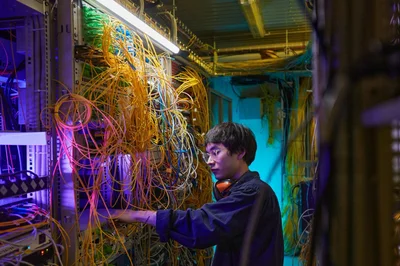
Environmental DNA Monitoring Scientists aboard the Viking Octantis research vessel are utilizing environmental DNA (eDNA) to monitor biodiversity and ecological changes in real time. eDNA consists of genetic material shed by organisms into their surroundings, such as water, air, or soil, allowing researchers to detect species presence without direct observation. This innovative approach offers a powerful tool for tracking ecosystem health and species distribution, especially in remote or difficult-to-access environments like Antarctica. The use of eDNA can accelerate biodiversity assessments and provide critical data for conservation efforts amid rapid environmental changes. This method represents a significant advancement in ecological monitoring and understanding Earth's dynamic ecosystems. research →

-
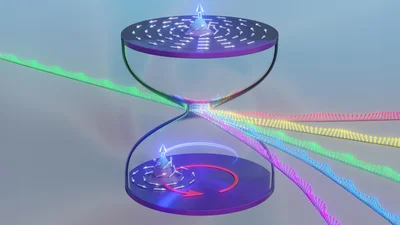
Magnetic Whirlpools and Floquet States Scientists at the Helmholtz-Zentrum Dresden-Rossendorf have discovered novel oscillation patterns called Floquet states inside tiny magnetic vortices formed in ultrathin ferromagnetic disks. Unlike previous methods relying on intense laser pulses, these states were generated using gentle magnetic wave stimulation, challenging existing fundamental physics concepts. These magnetic whirlpools, where magnetic moments align circularly, enable magnons—wave-like excitations that can transmit information without charge transport. This breakthrough offers a promising universal link between electronics, spintronics, and quantum technologies, potentially advancing information processing and device miniaturization. The findings were published in Science and represent a significant step toward harnessing complex magnetic phenomena for future technological applications. research →