-
AI Privacy Risks and GDPR Compliance Recent developments highlight growing concerns about privacy risks associated with artificial intelligence (AI) technologies and compliance with data protection regulations such as GDPR. Research has revealed that malicious large language model (LLM)-based conversational AIs can be engineered to extract significant amounts of personal information from users, exploiting social privacy dynamics while minimizing user suspicion. Concurrently, many websites remain non-compliant with GDPR due to ineffective cookie consent mechanisms that fail to block tracking scripts before user consent and do not provide equal ease in rejecting cookies. These issues underscore the urgent need for stronger privacy-by-design approaches and technical leadership in implementing compliant data protection architectures as AI adoption expands across industries. The implications affect user trust, regulatory enforcement, and the ethical deployment of AI systems handling sensitive personal data. research →

-
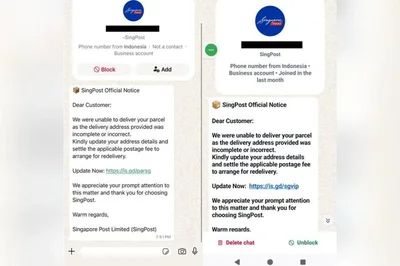
Phishing and Scam Operations A series of coordinated phishing and scam operations have been uncovered globally, involving sophisticated tactics such as AI-generated impersonations, phishing websites, and social engineering. Notably, scammers have impersonated journalists and used fake news articles to lure victims into fraudulent investment schemes, while others have targeted business accounts on platforms like TikTok using advanced phishing techniques. Law enforcement agencies in countries including India, Vietnam, Singapore, and the Netherlands have arrested suspects linked to large-scale cyber fraud and crypto scams, highlighting the international scope of these criminal networks. The rise of AI technology has both enabled more convincing scams, such as AI-generated fake medical images and voice cloning for IRS impersonation, and complicated detection efforts. These developments underscore the urgent need for increased vigilance, improved cybersecurity measures, and public awareness to combat evolving cyber threats. research →

-
Cyberattack Rumors and Misinformation A recent cyberattack compromised the personal email account of Kash Patel, linked to an Iran-affiliated hacking group, sparking a wave of rumors and misinformation online. Public figures such as Candace Owens were falsely implicated in the incident, prompting her to publicly deny involvement and criticize the rapid spread of unverified claims. This episode highlights the broader issue of misinformation and disinformation in the digital age, where social media platforms amplify false narratives for engagement. The situation underscores the challenges in maintaining factual discourse amid an internet environment increasingly dominated by sensationalism and algorithm-driven content. It also reflects the societal impact of misinformation on public trust and political discourse. research →

-
European Commission Cloud Breach The European Commission suffered a significant cyberattack on March 24, 2026, targeting its cloud infrastructure hosting the europa.eu web platform. Hackers gained access to at least one Amazon Web Services (AWS) account, stealing over 350 GB of data, including multiple databases and employee-related information. Although the Commission's internal systems were not affected and the attack was swiftly contained, the breach exposed sensitive data and raised concerns about cybersecurity vulnerabilities within EU institutions. The threat actor has stated they will not extort the Commission but intend to leak the stolen data online later, prompting ongoing investigations and heightened security measures. This incident follows a previous breach in January 2026 involving the Commission's mobile device management platform, highlighting persistent cyber threats to European governance. research →

-
JavaScript JIT Security Mitigations JavaScript Just-In-Time (JIT) compilers, such as the V8 engine used in Chrome and Node.js, optimize frequently executed code paths by compiling them into native machine code to boost performance. However, these JIT engines are increasingly recognized as high-value attack surfaces due to their complexity and the fragile assumptions made during optimization, which adversaries can exploit to trigger type confusion, use-after-free bugs, and potentially escalate to native code execution and sandbox escapes. Recent security research and engineering efforts focus on hardening these JIT engines by applying advanced mitigations like Control Flow Integrity (CFI), Pointer Authentication Codes (PAC), memory tagging, and process-level sandboxing, all designed to reduce vulnerabilities without sacrificing performance. This shift in defensive design is crucial as repeated high-severity crashes in V8 highlight the urgent need for robust JIT security to protect billions of users relying on JavaScript execution in browsers and server environments. Understanding and mitigating these risks ensures safer web and application ecosystems amid growing attack sophistication. research →

-
Hong Kong Prison Data Breach Hong Kong's Correctional Services Department disclosed a cyberattack that compromised the personal data of approximately 6,800 current and former prison employees. The breach occurred through unauthorized access to the department's internal Knowledge Management System, which then led to exposure of sensitive employee information such as names, birthdates, academic qualifications, and employment history. Although there is currently no evidence of data leakage or misuse, the department has alerted affected individuals and relevant authorities, including the police and privacy watchdog. This incident highlights ongoing cybersecurity vulnerabilities within government systems amid heightened legal controls over digital privacy in Hong Kong. It raises concerns about the protection of personal data in a city increasingly enforcing strict national security laws that mandate device access to authorities. research →