-
Samsung’s Profit Rockets on AI Chip Boom


 research →
Samsung Electronics is set to announce a staggering six-fold surge in quarterly profit, hitting a record 40.5 trillion won ($26.9 billion) thanks to soaring AI-driven chip demand. This jaw-dropping jump nearly matches its entire last year’s earnings, fueled by what Samsung calls an “unprecedented supercycle” in memory chips. Investors will be watching closely for any hints on how geopolitical tensions in West Asia might shake this momentum. The company’s blockbuster results could redefine the semiconductor landscape as AI continues to reshape tech.
-
Microsoft Forces Windows 11 Auto-Updates
 research →
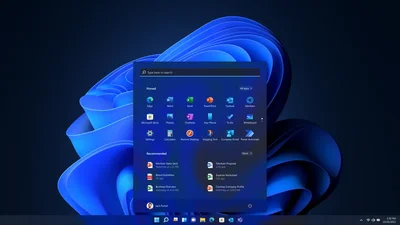
Microsoft is now pushing Windows 11 users from version 24H2 to the latest 25H2 update without their consent, using an AI-driven system to decide when devices are ready. This move comes as support for 24H2 ends in October 2026, aiming to keep systems secure and stable. However, the opaque machine learning criteria have sparked concerns about user control and transparency. IT-managed devices are currently exempt, but for everyday users, the update is no longer optional.
-
Game Launches Stumble on Platform Pitfalls
 research →
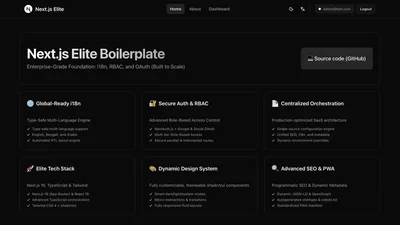
Ocean View Games reveals the hidden traps that trip up game developers at the final hurdle—App Store rejections, console certification fails, and mismatched data safety declarations. These common but avoidable issues cause costly delays and ripple through marketing and revenue plans. Their insider checklist is a must-read for anyone ready to ship, turning last-minute surprises into smooth launches. Next step? Developers need to double down on platform readiness or risk more setbacks.
-
SaaS Seat Pricing Faces Final Curtain
 research →
**Seat pricing in SaaS is officially on the decline after two decades as the go-to model. Once a simple way to measure user value—counting logins and charging per seat—it’s now losing relevance as AI and new tech reshape software usage. Industry insiders say the model’s death mirrors on-prem software’s fade: not because it vanished overnight, but because what it measured stopped mattering. The big question now: what pricing model will rise from the ashes? Stay tuned as SaaS reinvents its value metrics for the AI era.
-
Netflix Faces Massive Italy Refunds


 research →
Netflix is on the hook to refund millions of euros to its Italian subscribers after a Rome court ruled its 2017-2024 price hikes illegal. The court found Netflix failed to justify price increases as required by Italian law, forcing the streaming giant to reinstate original prices and repay overcharged customers. With 5.4 million subscribers in Italy, refunds could total hundreds of millions, hitting Premium users hardest. Netflix plans to appeal, but for now, Italian viewers might see their bills drop and wallets fattened.
-
Slash Storage Costs Without Sacrifices

 research →
In the race to cut cloud bills, Designing Cost-Optimized Storage Solutions is the new must-have skill. It’s not about picking the cheapest storage blindly but choosing the lowest-cost option that still meets business needs like access speed and data retention. Features like AWS Requester Pays and smart lifecycle policies that archive or expire old data are game-changers. As data piles up, savvy architects are turning cold, rarely accessed files into budget-friendly storage tiers — or letting them expire altogether. Next up: mastering these strategies to keep cloud costs lean without losing performance.
-
US AI Data Center Boom Hits Power Snag

 research →
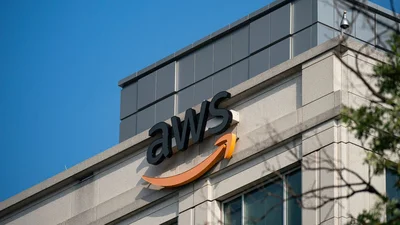
Nearly half of the US data centers slated for 2026 are facing delays or cancellations due to a critical shortage of electrical gear like transformers and batteries. Despite $650 billion poured in by tech giants such as Google, Amazon, Meta, and Microsoft, the bottleneck isn’t money or computing power—it’s the infrastructure needed to keep these AI hubs running. With projects demanding up to 12 gigawatts of power but only a third underway, the US risks falling behind in the AI race. The next challenge: ramping up domestic manufacturing to break the supply chain deadlock.
-
CIOs Swap Software for AI Surge

 research →
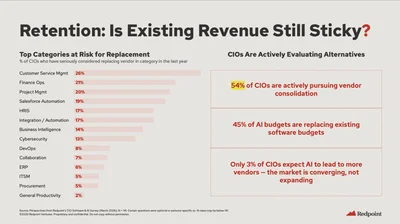
A fresh survey of 141 CIOs reveals a seismic shift: over a quarter are eyeing AI to replace traditional customer service management software, with finance and project management also in the crosshairs. This signals a major disruption in enterprise tech as AI promises faster, smarter workflows, pushing legacy vendors to innovate or risk obsolescence. As AI flattens management layers and renders ERP systems outdated, companies face a new era where intelligence—not just order—drives business. The next wave will test who adapts fastest to this AI-powered revolution.
-
Apple’s Epic 50-Year Journey Unveiled


 research →
To celebrate Apple’s 50th anniversary, tech columnist David Pogue has released a new book, 'Apple: The First 50 Years', now available on Amazon with a 31% discount. The hardcover dives deep into Apple’s rise, featuring interviews with 150 key figures including Steve Wozniak and Jony Ive. This book captures the unlikely story of two friends who revolutionized technology starting April 1, 1976. Grab your copy now and relive the saga of innovation and culture that reshaped the world.
-
Slash Dev Costs: Self-Host for $20

 research →
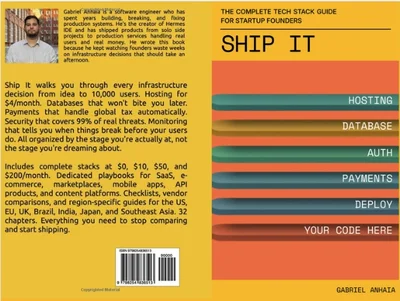
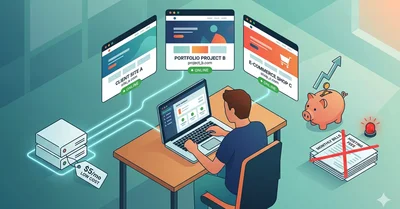
Developers are fed up with bleeding cash on SaaS tools, often paying $50 to $200+ monthly for Git hosting, CI/CD, and monitoring. A new 2026 guide reveals how to self-host a full dev stack on a single ARM server for under $20/month, delivering real production-grade environments without the SaaS price gouge. This shift promises tighter cost control and freedom from vendor lock-in, crucial as cloud bills keep soaring. Next up: more devs embracing DIY hosting to reclaim their budgets and workflows.
-
Microsoft Office 2024 Slashes Price by $150
 research →
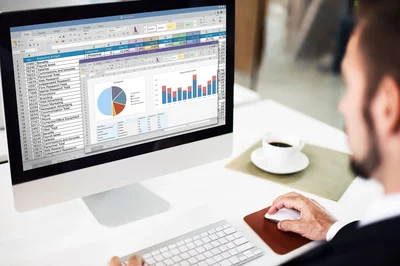
Microsoft has dropped the price of its new Office 2024 Home and Business suite to just $99.97, down from $249.99 — a massive $150 discount available through April 12. This lifetime license packs AI-powered versions of Word, Excel, and more, promising to boost productivity and save users hours each week. If you’ve been waiting to upgrade your office tools with cutting-edge AI, now’s the moment to grab this deal and work smarter, not harder.
-
Apple Unfolds iPhone Fold Revolution


 research →
Apple is finally stepping into the foldable smartphone arena with the rumored iPhone Fold, possibly branded as iPhone Ultra, set to launch later this year. This device promises a groundbreaking 7.8-inch internal OLED display with a book-style fold, potentially outshining competitors like Samsung’s Galaxy Z Fold 7. If true, this marks Apple’s boldest design shift yet, signaling a new era for iPhone users craving innovation. Fans and tech watchers should keep eyes peeled for official announcements soon.
-
BLE vs Wi-Fi: Android IoT Showdown


 research →
Choosing between Bluetooth Low Energy (BLE) and Wi-Fi for IoT devices on Android is a game-changer. BLE shines with ultra-low power use, perfect for long-lasting battery life, while Wi-Fi offers faster data speeds and broader range. Picking the wrong protocol can tank your device’s performance and user experience. These insights help developers make smart calls to build reliable, efficient IoT products that truly connect.
-
Hetzner Slashes AI GPU Server Costs

 research →
Hetzner Cloud is shaking up AI development by offering GPU servers with NVIDIA RTX 4000 Ada starting at just €184/month—a fraction of AWS’s $3-4/hour price tag for A100 instances. This budget-friendly option opens doors for startups and indie devs who’ve been priced out of AI experimentation. With transparent monthly fees and European data centers, Hetzner is quickly becoming the go-to for affordable, powerful AI workloads. Next up: wider adoption outside Europe and more competitive cloud pricing battles.
-
Google Pixel Buds A-Series Get Smooth Update

 research →
Google has rolled out firmware version 3.581.0 for its original Pixel Buds A-Series from 2021, delivering crucial bug fixes and performance boosts. While the update is light on flashy features, it tightens security and improves reliability, keeping these earbuds in top shape. Users can trigger the update manually via the Pixel Buds app or let it install automatically when charging. This steady support shows Google’s commitment to enhancing user experience even years after release.