-
Planet Labs Halts Iran War Imagery


 research →
Planet Labs, the US satellite imaging giant, has announced an indefinite blackout on photos of Iran and the surrounding conflict zone, following a direct request from the US government. This move extends earlier delays and aims to prevent adversaries from exploiting real-time visuals amid the escalating US-Israel war on Iran. The blackout covers images dating back to March 9 and is expected to last until hostilities cease, marking a rare moment of satellite data censorship in modern warfare. Observers now watch closely to see how this impacts transparency and intelligence gathering in the volatile Middle East.
-
Artemis II Astronauts Gear Up for Moon Flyby

 research →
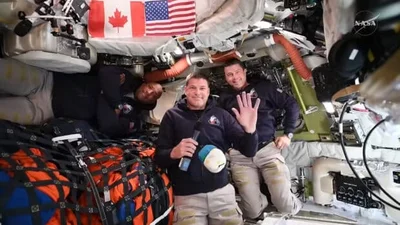
The Artemis II crew, including commander Reid Wiseman, is preparing for a historic lunar flyby set for Monday, April 6. Currently over 169,000 miles from Earth, the astronauts will circle the Moon and observe its far side—an area never seen firsthand by humans. This mission marks the farthest humans have traveled in decades and tests new frontiers in deep space travel. With morale high and eyes on the lunar surface, NASA is poised for a milestone moment in space exploration.
-
Artemis II’s Space Toilet Sparks Buzz
 research →
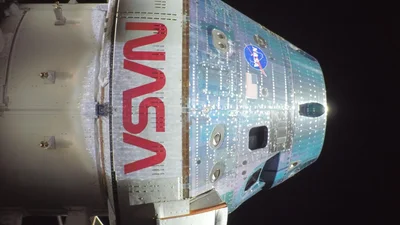
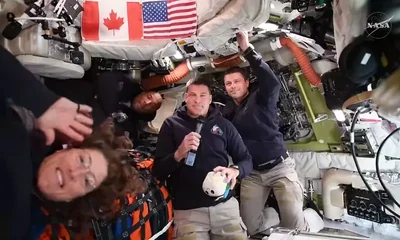
NASA’s Artemis II mission is cruising toward the moon with four astronauts aboard, but it’s not just lunar sights grabbing attention—it’s the spacecraft’s toilet. The onboard toilet, a first for deep space missions since Apollo, has proven tricky, reminding us that even in cutting-edge space travel, basic human needs remain a challenge. While the crew prepares for Monday’s historic lunar flyby, NASA engineers are working to ensure the toilet system is as reliable as the mission itself. This quirky hurdle highlights the gritty reality of living in space as humanity pushes further into the cosmos.
-
Artemis II Ignites New Moon Era

 research →
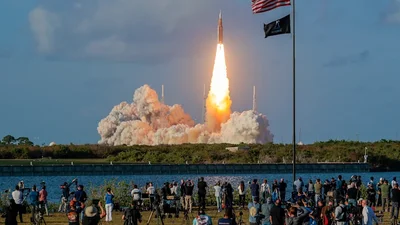
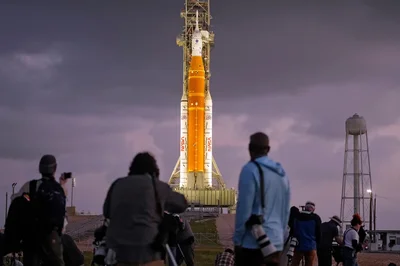
NASA’s Artemis II mission blasted off flawlessly this week, marking humanity’s bold return to lunar orbit after more than 50 years. Under new leadership from Jared Isaacman, NASA is shaking off old challenges and pushing the boundaries of space exploration once again. This mission not only revives the Moon race but sets the stage for future deep-space adventures. The world watches as Artemis II charts a path beyond the Apollo legacy.
-
Artemis II Astronauts Keep Fit with Clever Gym


 research →
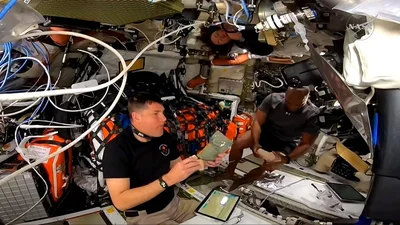
On the historic Artemis II mission, four astronauts—Reid Wiseman, Victor Glover, Christina Koch, and Jeremy Hansen—are orbiting the Moon while staying in peak shape using a compact 13.6-kilogram Flywheel Exercise Device (FED). This ingenious gym mimics weight training in zero gravity by using a spinning wheel and cable system, preventing muscle and bone loss during deep space travel. The crew’s fitness is crucial for mission success and future lunar exploration plans. NASA continues to share live updates and behind-the-scenes moments, including a memorable towel bath caught on camera by pilot Victor Glover.
-
Meteor Strikes May Have Sparked Life
 research →
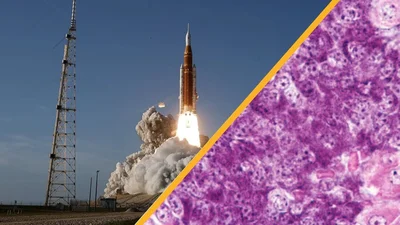
Meteor impacts on early Earth might have done more than just reshape landscapes—they could have created the perfect hot, mineral-rich environments for life to ignite. Led by Shea Cinquemani, a recent Rutgers graduate, new research highlights hydrothermal vents formed by these cosmic collisions as prime candidates for life’s birthplace. This fresh perspective challenges traditional views and opens exciting avenues for understanding our origins. Next up: deeper exploration of these fiery cradles to unravel life’s earliest secrets.
-
Orion’s Quirks: Burning Smell and Apollo Legacy
 research →
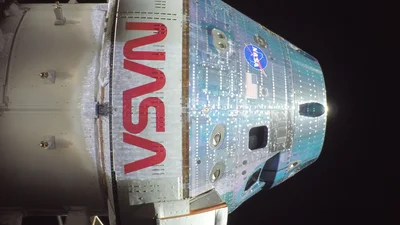
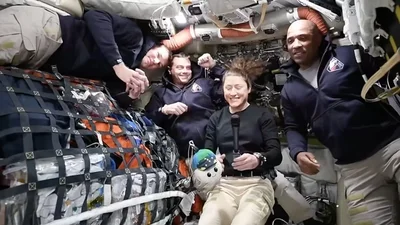
NASA’s Artemis II mission aboard the Orion spacecraft is making headlines not just for its historic lunar journey but for some unexpected onboard moments. Halfway to the moon, astronauts reported a burning smell from the spacecraft’s toilet, sparking a tense but controlled response from Mission Control. Meanwhile, tucked inside Orion is a poignant relic: an American flag meant for the canceled Apollo 18, symbolizing America’s renewed lunar ambitions. As the crew navigates both technical quirks and historic echoes, all eyes remain on their 10-day voyage around the moon.
-
Galaxies Defy Dark Matter Theory


 research →
Astronomers have discovered a third galaxy, NGC 1052-DF9, that appears to lack dark matter, challenging long-held beliefs about how galaxies hold together. This finding supports the controversial “Bullet Dwarf” collision theory, suggesting some galaxies form without the invisible dark matter scaffolding. Following earlier discoveries like NGC 1052-DF2, these galaxies force scientists to rethink cosmic evolution. Next, researchers will probe how widespread these dark matter–free galaxies might be and what this means for our understanding of the universe.
-
Artemis II Rockets Halfway to Moon

 research →
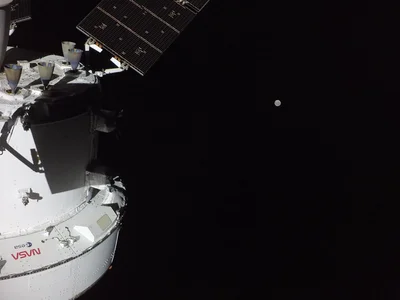
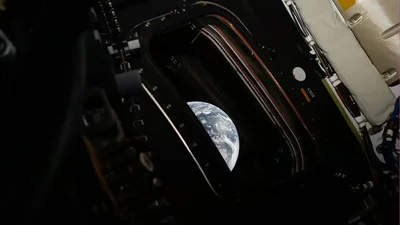
The Artemis II mission has hit a thrilling milestone, crossing the halfway mark on its journey to the moon — the first human voyage this far since 1972. Aboard the Orion spacecraft, astronauts Reid Wiseman, Victor Glover, Christina Koch, and Jeremy Hansen are testing critical systems for NASA’s planned 2028 lunar landing. With stunning Earth photos already sent back, the crew is in high spirits as they prepare to loop around the moon and slingshot home. This mission sets the stage for humanity’s next giant leap on the lunar surface.
-
Students Uncover Ancient Star Crossing Into Milky Way


 research →
A team of ten undergraduate students at the University of Chicago has identified one of the universe’s oldest stars drifting into our galaxy, using data from the Sloan Digital Sky Survey (SDSS). This star, born in a nearby companion galaxy, offers a rare glimpse into the early cosmos and challenges our understanding of galactic evolution. Led by Professor Alex Ji, the discovery highlights the power of big data and hands-on learning in astronomy. Next, astronomers plan to study the star’s composition to unlock secrets of the universe’s dawn.
-
SpaceX Pushes Starship Launch to May
 research →
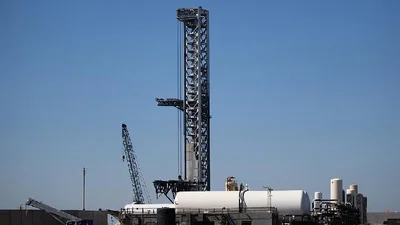
SpaceX has postponed its eagerly awaited Starship V3 test flight from April to May, CEO Elon Musk confirmed. The delay, spanning four to six weeks, comes as the company integrates numerous upgrades to boost reliability and meet NASA’s Artemis moon mission standards. This pause underscores SpaceX's commitment to perfecting its next-gen rocket, designed for massive payloads and full reusability. All eyes will now be on the May launch window to see if Starship can finally soar as planned.